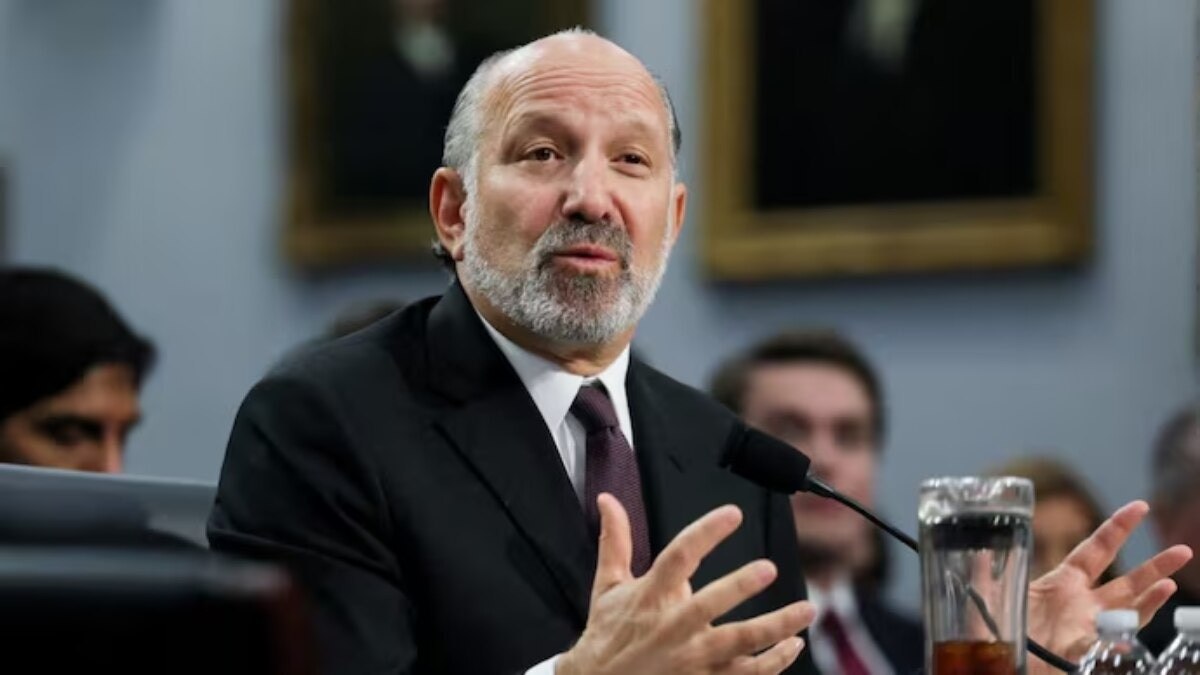
US Commerce Secretary Howard Lutnick has repeatedly delayed President Donald Trump’s effort to crack down on companies suspected of diverting advanced Nvidia AI chips to China. The president approved the move three times this year, according to a report citing six senior sources familiar with the discussions, and the restrictions still have not been enforced.
The most recent approval came on November 5. Trump agreed to tighten restrictions on suspected chip diversions after consulting billionaire Elon Musk. Lutnick, however, kept resisting the measures, and that has raised alarm inside the administration. Several officials believe the Commerce Department is holding up a decision the president has already made.
The standoff is unfolding against a backdrop of scrutiny over Nvidia CEO Jensen Huang’s reported links to a Chinese businesswoman. US intelligence officials suspect her of spying for Beijing. Lawmakers have also pushed the administration to take a harder line on China’s access to advanced American AI chips, which makes the internal fight more than a routine bureaucratic delay.
A tense meeting in the Situation Room. According to the report, Lutnick sat down last Thursday with Treasury Secretary Scott Bessent, Defence Secretary Pete Hegseth, US Trade Representative Jamieson Greer and Secretary of State Marco Rubio in the White House Situation Room. Bessent reportedly confronted Lutnick about his department’s reluctance to enforce export controls, especially against a company called Megaspeed, which sits at the center of the alleged chip-smuggling and espionage concerns.
Lutnick appeared to agree with the proposal. He said, however, that he needed to check with Trump before moving forward. That response frustrated officials who felt the Commerce Department had made repeated promises of action without following through. One administration official described Lutnick’s conduct as stalling. Another said it remained an ongoing concern within the government.
The group then walked over to the Oval Office. There, Trump called Musk to discuss the proposed restrictions. Musk backed the position held by Rubio, Bessent, Greer and Hegseth, who favored imposing the controls. Lutnick pushed back and warned that the move could trigger a trade war with China. Other officials countered that Beijing was already taking steps against US interests, so the risk was already present.
Trump ultimately sided with the crackdown. He told officials,
"Let’s get it done."The argument did not end there, though. Lutnick proposed developing a set of options and returning to the group later. Other officials insisted the decision had already been made and needed to be carried out, not studied again. According to the report, that disagreement carried on even after the meeting broke up.
A pattern of approvals and delays. The report says Trump had approved action against suspected Nvidia chip diversions on at least three occasions: in May, in August and on November 5. Each time, Lutnick and Commerce Undersecretary Jeffrey Kessler resisted pressure from Bessent and other officials to move forward. The pattern suggests the problem is not a single disagreement over one decision, but a repeated pullback after the decision has been made.
The episode traces back to May. A highly classified memo warned about Huang’s relationship with a Megaspeed employee whom US intelligence suspected of working for China. The memo was reportedly shared with Trump and other senior officials. Follow-up discussions involving Bessent, Director of National Intelligence Jay Clayton, Hegseth and White House officials failed to secure action from the Commerce Department, the report said.
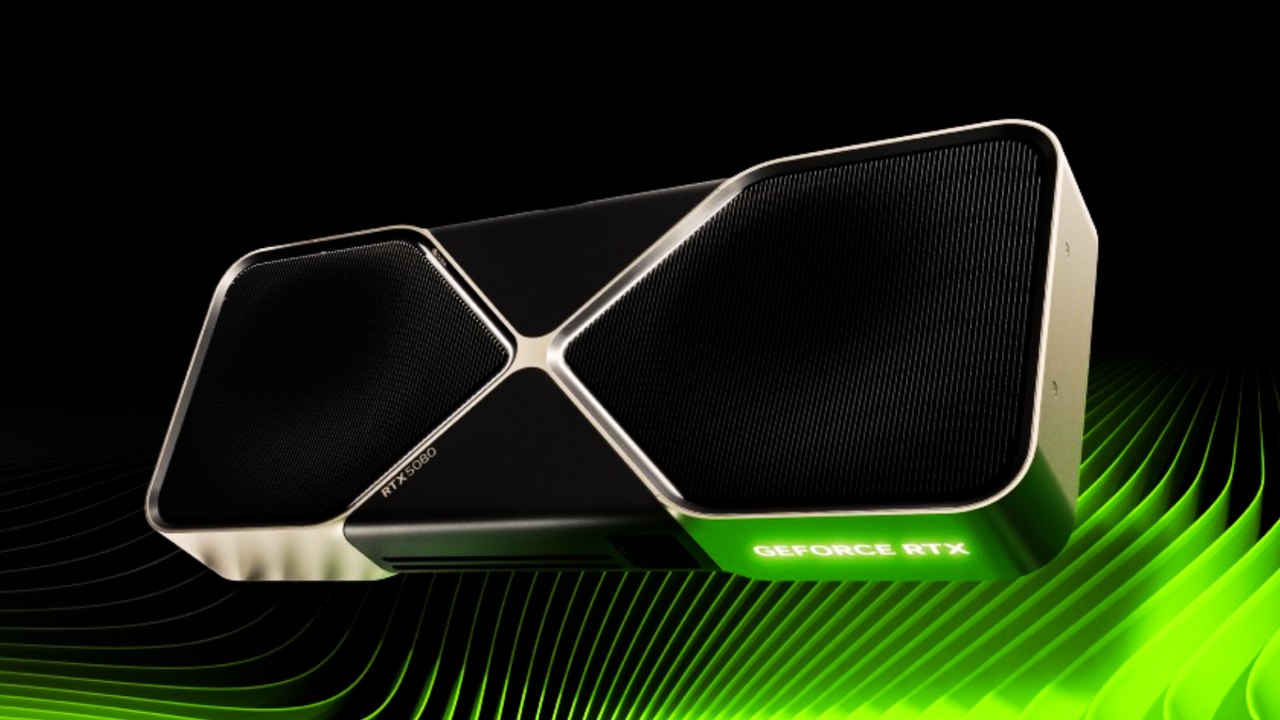
A softer approach on exports. The fight also sits within a broader debate over how tightly to restrict China’s access to advanced American chips. Last year, the administration moved toward easing restrictions on Nvidia’s H200 chips. Under that approach, sales to China were allowed in exchange for a 25 per cent tariff. Nvidia has argued that selling less advanced chips to China could keep the country dependent on American technology rather than push it to build domestic alternatives.
Hawks in the administration see the issue differently. They argue that loosening controls while suspected diversions continue sends the wrong signal. The report makes clear that this argument has not yet won out in practice, even after the president appeared to side with it.
A blacklist that has not moved. Earlier reporting in June said the Trump administration had held back from adding Chinese artificial intelligence startup DeepSeek, memory chipmaker CXMT and more than 100 other companies flagged as national security risks to its trade blacklist. The US has not added any companies to its Entity List since October 2025. That is the longest gap between new additions in more than a decade.
The White House and Lutnick’s spokesperson did not immediately respond to requests for comment. Commerce Department spokesperson Kristen Eichamer denied that Bessent confronted Lutnick during the meeting. She did not immediately comment on the other allegations in the report. Those denials and silences leave the central question unresolved: whether the crackdown Trump approved will ever be carried out.
TL;DR
- Trump approved tighter controls on suspected Nvidia chip diversions to China three times this year, but the restrictions still have not been enforced.
- Commerce Secretary Howard Lutnick has repeatedly delayed the crackdown, according to a report citing six senior sources.
- The most recent approval came on November 5, after Trump consulted Elon Musk.
- Treasury Secretary Scott Bessent reportedly confronted Lutnick over resisting export control enforcement against Megaspeed.
- Lutnick warned the move could trigger a trade war with China, while other officials said Beijing was already acting against US interests.
- The US has not added companies to its Entity List since October 2025, the longest gap in over a decade.