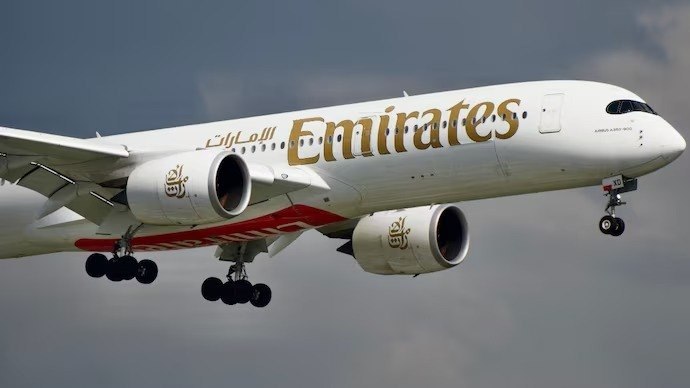
Indian Entrepreneur Alleges Discrimination on Emirates Business Class Flight
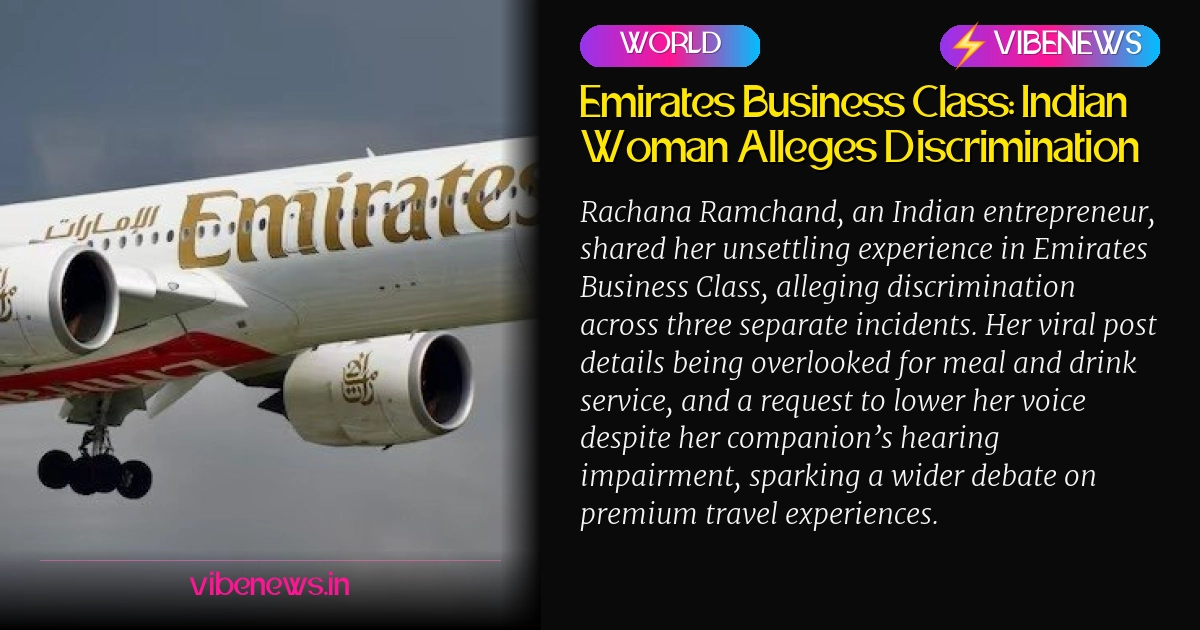
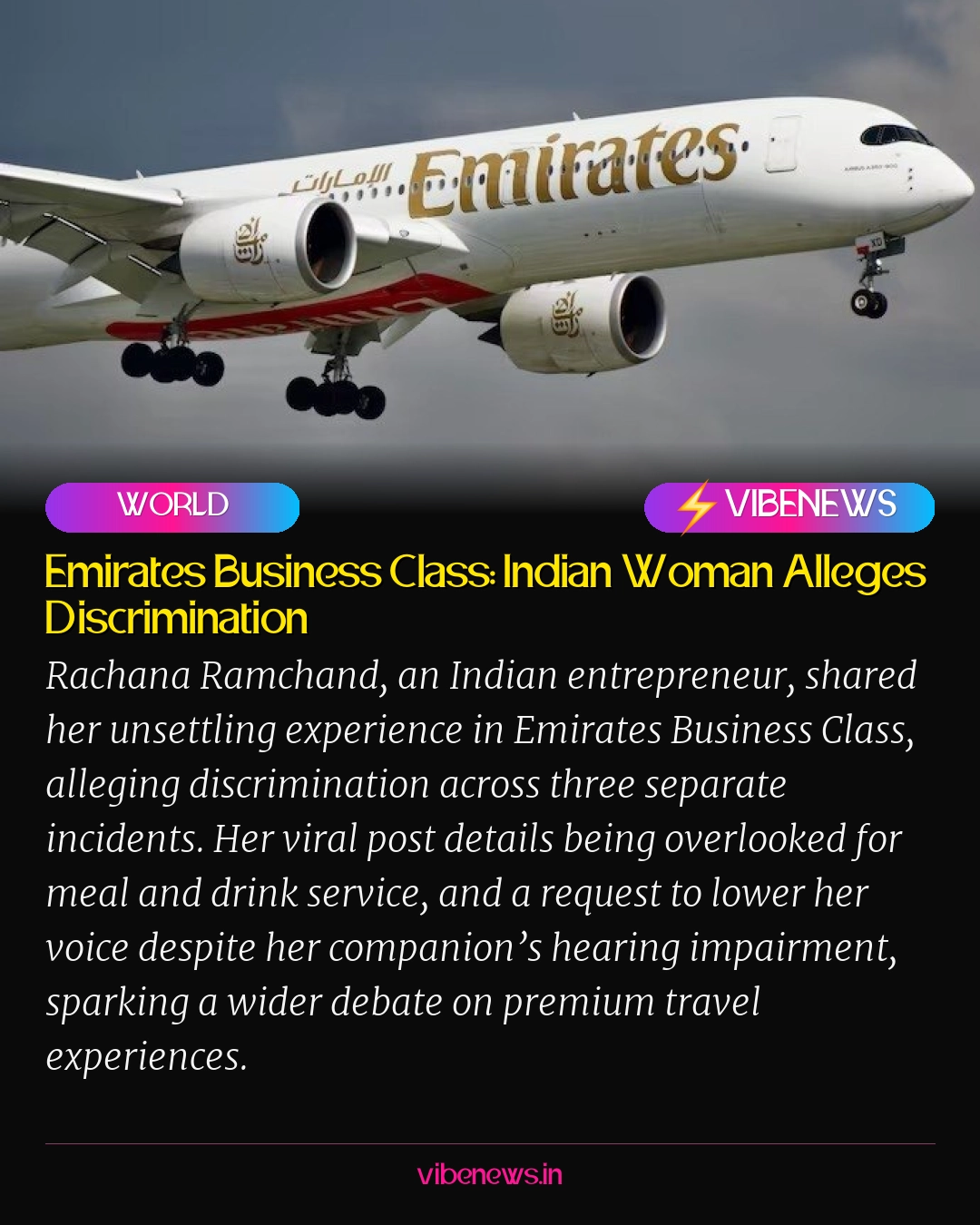
An Indian entrepreneur, Rachana Ramchand, has brought to light a series of unsettling experiences during her maiden journey in Emirates Business Class, alleging instances of discrimination. Her detailed account, shared on social media, has quickly garnered widespread attention, sparking a significant debate about customer service standards and perceptions of bias within premium airline travel.
Ramchand, the founder of a UK-based startup, recounted three distinct incidents that collectively left her feeling "unworthy" despite having paid for a business class upgrade. Her narrative challenges the often-held perception of luxury and impeccable service associated with such high-end travel.
The Incidents Unfold
The first incident occurred in the lounge, where Ramchand was conversing with a male passenger. An attendant approached the man to inquire about his lunch order but conspicuously overlooked Ramchand. She eventually had to call the staff member back to place her own meal request, an interaction she found perplexing and dismissive.
A similar pattern emerged when the attendant returned with the male passenger’s drink. The offer for a refill was extended solely to him, again bypassing Ramchand. These initial oversights, while seemingly minor, began to accumulate, contributing to her growing discomfort and sense of being disregarded.
The third and most impactful incident involved an attendant requesting both Ramchand and her companion to speak "softer." Ramchand clarified that her companion had hearing difficulties, which naturally led them to speak louder to ensure clear communication. For her, this request, following the previous interactions, solidified a feeling of being singled out and unfairly treated.
A Viral Outcry and Airline Response
Ramchand’s candid post on X (formerly Twitter) quickly went viral, accumulating over a million views. The widespread engagement reflects a public keen to discuss and scrutinize experiences within the service industry, particularly when they involve perceived inequities in premium settings. Many users expressed surprise that a journey typically associated with comfort and luxury could leave a passenger feeling so alienated.
In response to the burgeoning online discussion, Emirates, a global leader in luxury air travel, has acknowledged the allegations. While an initial reaction has been noted, the airline has yet to issue a comprehensive statement addressing the specific claims made by Rachana Ramchand. The aviation industry often faces scrutiny over customer service, and such high-profile complaints can significantly impact brand perception.
The Broader Conversation on Premium Travel
This incident transcends a mere customer complaint; it opens a wider dialogue about the nuances of service delivery in a multicultural, globalized environment. Emirates, like many international carriers, serves a diverse clientele from various cultural backgrounds, each with unique expectations and communication styles. The challenge for airlines lies in ensuring consistent, respectful, and equitable service across all passengers, irrespective of their origin or perceived status.
Premium travel, by its very definition, promises an elevated experience, often justifying its higher cost through enhanced comfort, personalized attention, and a sense of exclusivity. When these expectations are unmet, or worse, when passengers feel marginalized, it can lead to significant dissatisfaction and public outcry. The incident highlights the delicate balance airlines must maintain between operational efficiency and empathetic customer engagement.
Understanding Perceptions of Discrimination
The online discourse surrounding Ramchand’s experience has also delved into the definition of "discrimination." While some users unequivocally supported her claims, others questioned whether the incidents were intentional acts of discrimination or rather a series of misunderstandings or lapses in service. The fact that her companion had a hearing impairment, for instance, offers a potential alternative explanation for the volume of their conversation, though it doesn’t necessarily excuse the manner in which the request was made or the prior oversights.
This debate underscores the subjective nature of perceived discrimination. What one individual interprets as a slight, another might view as an innocent oversight. However, for the person experiencing it, the feeling of being "unworthy" or "out of place" is a very real and impactful consequence, regardless of intent. Airlines are increasingly tasked with training staff not just in service protocols but also in cultural sensitivity and unconscious bias awareness to mitigate such perceptions.
Airline Accountability and Customer Experience
The resolution of this particular case will be closely watched, as it could set a precedent for how major airlines address similar complaints in the future. For Emirates, maintaining its reputation as a world-class carrier hinges on its ability to thoroughly investigate and transparently respond to such serious allegations. The incident serves as a potent reminder that even in the most luxurious settings, the human element of service remains paramount.
Ultimately, the goal for any service provider, especially in the competitive airline industry, is to ensure every passenger feels valued and respected. Rachana Ramchand’s experience underscores the critical importance of consistent, attentive service that leaves no room for ambiguity or feelings of marginalization, particularly when customers are paying a premium for an elevated travel experience.
Editorial Context
This incident, while seemingly isolated, carries significant long-term implications for the global aviation industry and its approach to customer service. As international travel becomes increasingly accessible and diverse, airlines face the ongoing challenge of delivering uniformly excellent experiences across all demographics. The viral nature of Ramchand’s complaint demonstrates the power of social media in holding corporations accountable and shaping public perception.
Beyond the immediate resolution of this case, it prompts a deeper examination of staff training, cultural competency, and the subtle biases that can inadvertently manifest in service interactions. For premium airlines like Emirates, whose brand identity is built on luxury and impeccable service, such allegations demand a robust and transparent response to safeguard consumer trust and reinforce their commitment to equitable treatment for all passengers. This event will likely contribute to ongoing discussions within the industry about refining service protocols and fostering a truly inclusive travel environment.
TL;DR
- Rachana Ramchand, an Indian entrepreneur, reported three incidents of alleged discrimination on an Emirates Business Class flight.
- Incidents included being overlooked for meal and drink service, and a request to speak softer despite her companion’s hearing impairment.
- Ramchand expressed feeling "unworthy" despite paying for her upgrade, leading to a viral social media post.
- Emirates has acknowledged the complaint, with a detailed statement expected.
- The incident has sparked debate online regarding the definition of discrimination versus misunderstanding in premium travel.
- The experience highlights broader discussions on consistent customer service standards in luxury travel.