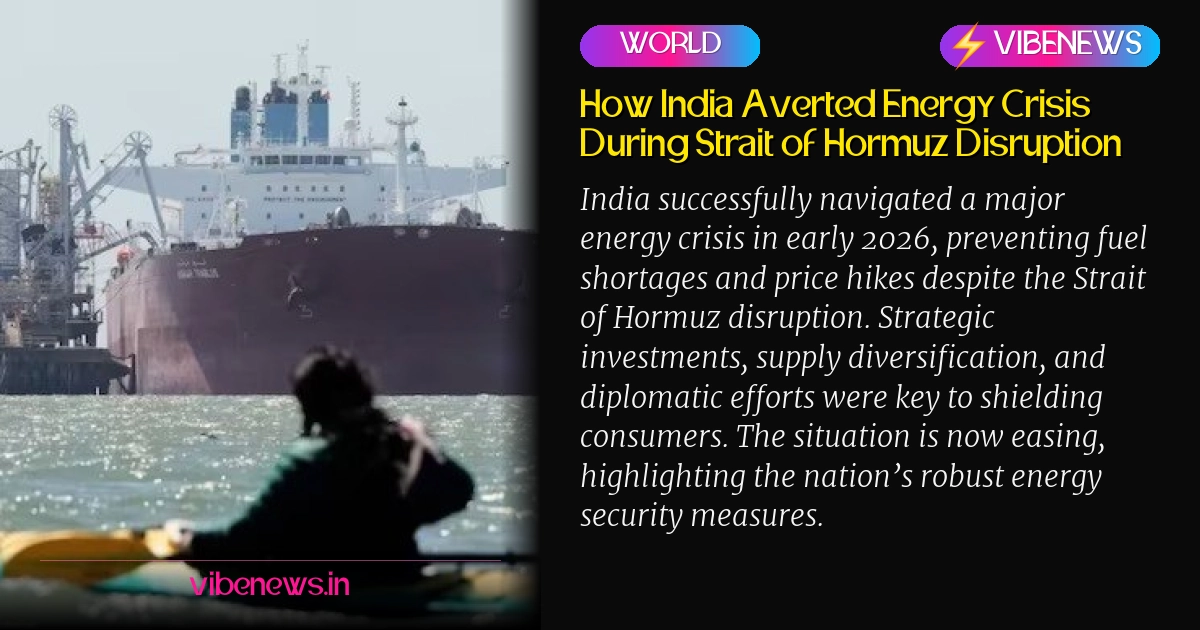
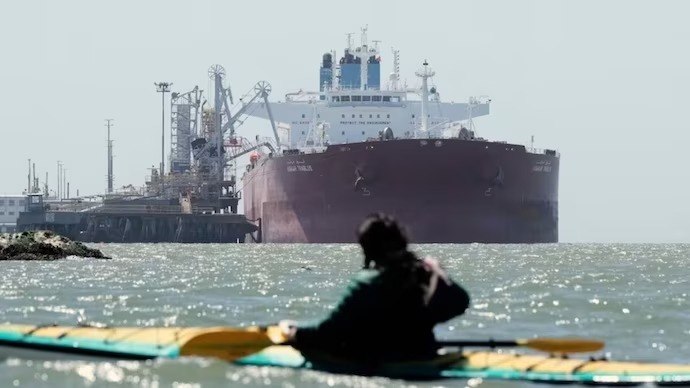
India successfully navigated a significant energy crisis earlier this year, preventing widespread fuel shortages and steep price hikes despite the disruption of the crucial Strait of Hormuz. This strategic success, unfolding over four months from late February 2026, shielded consumers from the full impact of soaring global energy prices.
The closure of the Strait, a vital chokepoint for nearly 20% of the world’s seaborne crude oil and substantial volumes of LPG and LNG, posed an immense challenge for India. The nation imports almost 90% of its crude and 60% of its LPG. Despite this, India’s crude oil basket, which had surged from approximately $70 to over $120 per barrel, and a 46% jump in Saudi Arabia’s LPG contract price, did not translate into a full-blown domestic crisis.
The crisis began on February 28, 2026, amidst military conflict in West Asia, threatening India’s energy security. The country faced a triple challenge: ensuring uninterrupted supplies, containing domestic fuel prices, and maintaining public confidence.
A decade of strategic investments in energy infrastructure proved pivotal. Between 2014 and 2026, India doubled its LNG terminals to eight, expanded its LPG import terminals from 11 to 22, and nearly tripled LPG import capacity to 32.3 MMTPA. The LPG pipeline network also saw significant growth, extending from 2,311 km to 6,242 km. Furthermore, the number of countries supplying crude oil to India increased from 27 to 41, significantly diversifying its import sources.
The government swiftly formed an inter-ministerial coordination group involving the Ministries of External Affairs, Petroleum and Natural Gas, Ports, Shipping and Waterways, and the Indian Navy. This group identified stranded Indian cargo vessels near the Strait and coordinated with Iranian authorities to ensure their safe passage without additional charges. High-level diplomatic engagements, including visits by the Petroleum Minister to Qatar, the External Affairs Minister to the UAE, and the National Security Adviser to Saudi Arabia, were instrumental. India also secured alternative energy supplies from a diverse range of nations, including Russia, Brazil, Algeria, Venezuela, Canada, Japan, and the United States.
To protect consumers, the government absorbed a substantial portion of the global price shock. On March 27, 2026, the Centre reduced excise duty on petrol and diesel by ₹10 per litre, incurring an estimated revenue loss of ₹1.7 lakh crore. Oil marketing companies also absorbed losses for over two months, limiting retail price increases to just ₹3 per litre when adjustments became unavoidable. This approach resulted in one of the lowest increases in petrol and diesel prices among major oil-importing economies during the crisis.
LPG, particularly vulnerable due to its reliance on Gulf imports, also saw proactive management. On March 8, the government issued an LPG Control Order, mandating refineries to maximise production. Within a week, domestic LPG output surged from 35,000 tonnes per day to 54,000 tonnes per day. Despite import costs for a 14.2 kg cylinder exceeding ₹1,600, the retail price for domestic consumers remained capped at ₹942. Beneficiaries of the Pradhan Mantri Ujjwala Yojana continued to receive a ₹300 per cylinder subsidy, effectively paying ₹642. This shielded over 10.58 crore families, with the government and oil marketing companies absorbing significant costs.
Complementing supply measures, demand management initiatives were also implemented. These included restricting commercial LPG consumption, encouraging industries to switch to piped natural gas, allowing large establishments to use alternative fuels temporarily, and making 5 kg free-trade LPG cylinders available for migrant workers. These steps helped reduce daily LPG demand from approximately 90,000 tonnes to around 70,000 tonnes. The expansion of India’s natural gas infrastructure, including city gas distribution networks and LNG terminals, further supported uninterrupted cooking gas supplies.
The immediate crisis has largely subsided, with commercial LPG supplies restored to pre-crisis levels and global crude oil prices retreating. While West Asian developments still warrant close monitoring, India’s proactive measures prevented fuel rationing, widespread shortages, and severe price hikes seen elsewhere. The broader economy remained stable, with foreign exchange reserves above $728 billion, resilient economic growth, and controlled inflation.
This episode underscores the critical importance of sustained investment in energy infrastructure, strategic diversification of supply sources, and agile policy responses in safeguarding a nation’s energy security against global shocks. India’s experience provides a valuable blueprint for managing future geopolitical disruptions to vital energy pathways.
TL;DR
- India successfully prevented an energy crisis during the Strait of Hormuz disruption in early 2026.
- Strategic investments in energy infrastructure over the past decade, including expanded LPG and LNG terminals and pipelines, were crucial.
- Supply diversification, increasing crude oil sources from 27 to 41 countries, reduced reliance on single regions.
- Coordinated diplomatic efforts with Iran and other nations ensured safe passage for Indian cargo vessels and secured alternative supplies.
- Government policy interventions, like excise duty cuts and LPG subsidies, shielded consumers from soaring global prices.
- Domestic LPG production was maximised, and demand management measures were implemented to ensure uninterrupted supply.
- The broader Indian economy remained stable, avoiding fuel rationing or widespread shortages seen in other economies.
- The crisis underscored the importance of long-term planning and agile responses in national energy security.