India’s Diplomatic Overture in Kyiv
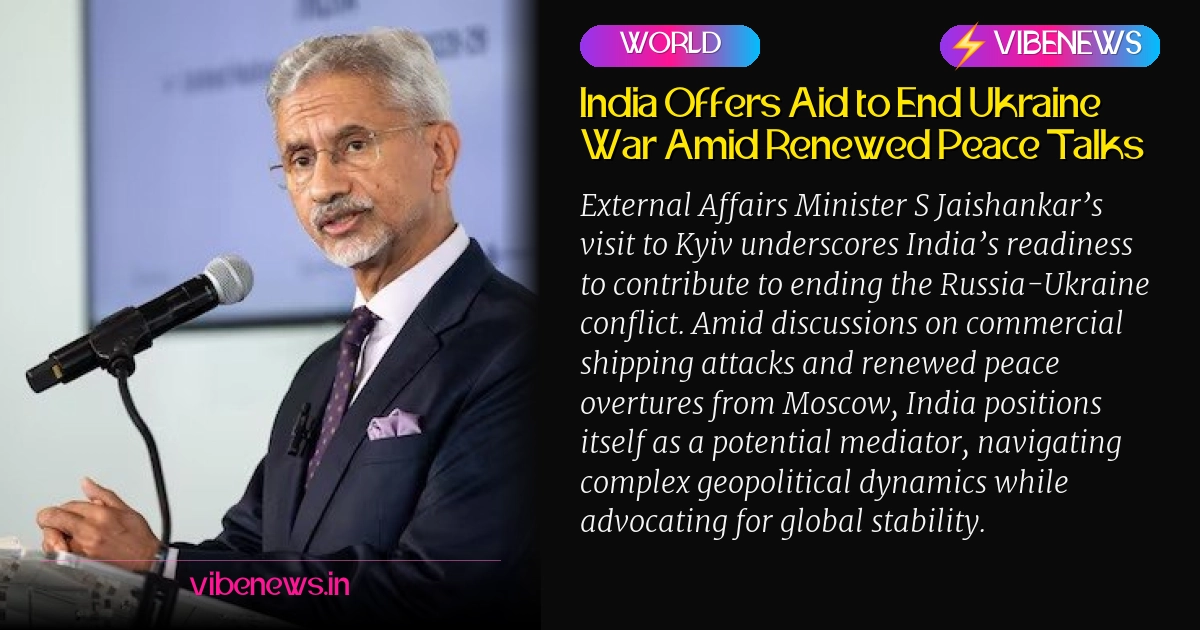
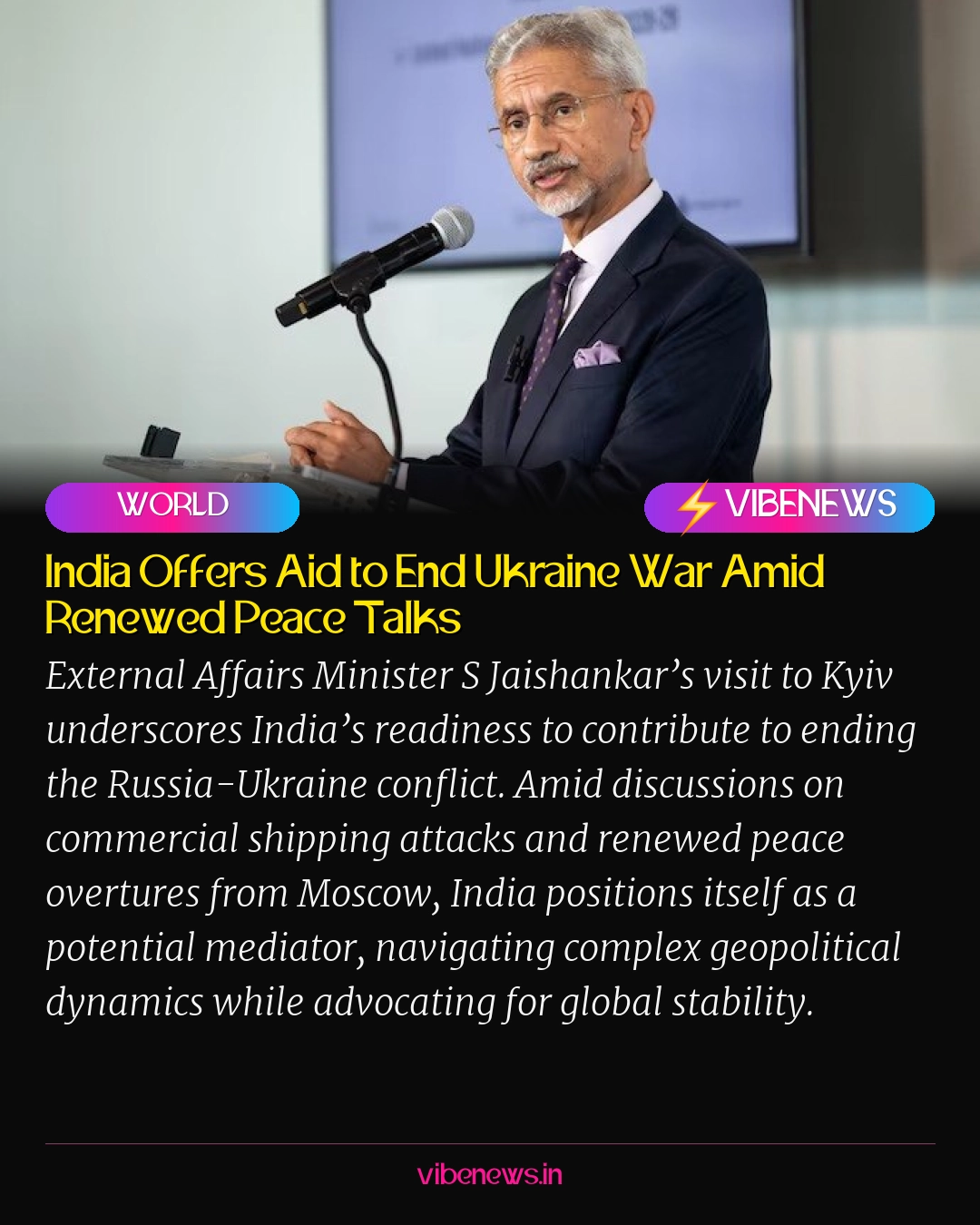
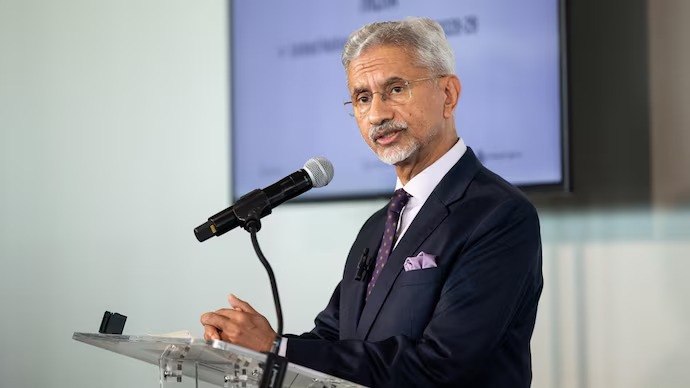
India’s External Affairs Minister S Jaishankar affirmed New Delhi’s readiness to contribute to efforts aimed at resolving the ongoing conflict in Ukraine during his recent visit to Kyiv. Speaking alongside Ukrainian Foreign Minister Andrii Sybiha, Jaishankar reiterated India’s commitment, stating, "If India can be of any help, in any manner, we are there." This diplomatic outreach marks a significant moment, signaling India’s proactive stance in global peace initiatives amidst a protracted and complex geopolitical crisis.
The discussions in Kyiv extended beyond peace overtures, delving into critical issues such as attacks on commercial shipping. Jaishankar highlighted the prominence of this topic in their talks, underscoring the broader implications of the conflict on international trade and maritime security. Ukraine’s Foreign Minister Sybiha expressed optimism, suggesting that Jaishankar’s visit could usher in a "new dynamic" in peace efforts, with renewed political and diplomatic engagement across global capitals.
Moscow’s Conditions for Peace
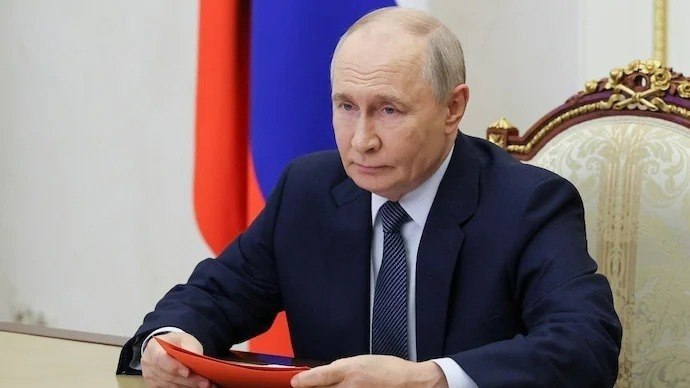
Concurrently with Jaishankar’s visit, Russian President Vladimir Putin also commented on the prospects for peace, acknowledging a potential chance for a resolution, albeit with increasing difficulties in restarting negotiations. Speaking at an economic forum, Putin indicated that several nations, including the United States and China, were prepared to support a peace settlement. However, he firmly placed the ultimate responsibility for resolving the conflict on Russia and Ukraine themselves, while expressing gratitude to countries attempting to facilitate a settlement.
Putin further complicated the diplomatic landscape by accusing Ukraine of engaging in "acts of state terrorism," citing alleged attacks on civilian merchant ships and warnings regarding the safety of civilian aircraft over Russian airspace. These accusations, he contended, significantly hinder the prospects for bilateral peace talks. Such statements underscore the deep-seated mistrust and divergent narratives that continue to plague any potential path to de-escalation.
Ukraine’s Stance on Airspace Safety
In response to Russia’s claims, Ukrainian President Volodymyr Zelenskyy had previously issued warnings to airlines and insurance companies about the dangers posed by Ukrainian drones in Russian skies. Zelenskyy clarified that Ukraine’s targets were exclusively Russian military facilities, assuring that civilian aircraft would not be threatened. This exchange highlights the ongoing information warfare and the critical need for clarity regarding civilian safety in conflict zones.
Ukraine also appealed to the UN aviation agency, urging member states to prohibit operations in Russian airspace. This move comes as Ukraine’s own airspace has remained closed to international civil aviation since Russia’s full-scale invasion in February 2022. The closure of airspace and the associated risks to aviation represent a significant disruption to global travel and trade, adding another layer of complexity to the conflict’s international ramifications.
The Stalemate on the Frontlines and Global Repercussions
After more than four and a half years of conflict, the front lines in Ukraine have largely remained static, indicating a grinding war of attrition. Despite the lack of significant territorial shifts, both sides have intensified long-range air strikes deep within each other’s territories. The conflict at sea has also escalated, with increasing attacks involving ports and commercial shipping, posing substantial threats to global supply chains and energy security.
The attacks on commercial shipping, particularly in the Black Sea, have far-reaching economic consequences. India, a major trading nation, relies heavily on stable maritime routes for its imports and exports, including critical energy supplies and agricultural products. Disruptions in these routes can lead to increased shipping costs, insurance premiums, and potential shortages, impacting global inflation and economic stability. India’s emphasis on this issue during Jaishankar’s visit reflects its vested interest in maintaining open and secure sea lanes.
International Diplomatic Channels and India’s Balancing Act
Amidst the ongoing hostilities, diplomatic contacts between Russia and the United States continue, with President Putin acknowledging discussions with the administration of US President Donald Trump, who has previously sought to broker a peace deal. Putin expressed a desire for restoring full-scale relations with the US, noting that the outcome would depend on Washington’s stance. He also confirmed ongoing contacts through intelligence agencies and Trump’s envoys, including a recent meeting between CIA Director John Ratcliffe and Russian intelligence chiefs in Moscow.
India’s diplomatic engagement in Ukraine reflects its long-standing foreign policy of strategic autonomy and non-alignment. Historically, India has maintained strong ties with Russia while simultaneously fostering growing partnerships with Western nations. This delicate balancing act allows India to engage with all parties in a conflict, positioning itself as a credible voice for peace and stability. India’s offer to mediate is consistent with its role as a rising global power seeking to contribute to multilateral solutions for international challenges.
Editorial Context
The visit by India’s External Affairs Minister to Kyiv and the subsequent offer of assistance to end the Ukraine war carry significant long-term implications for global diplomacy and India’s evolving role on the world stage. This development is not merely a symbolic gesture but a strategic move that underscores India’s commitment to a rules-based international order and its growing capacity to act as a constructive mediator in complex geopolitical conflicts. The emphasis on commercial shipping attacks highlights the interconnectedness of global security and economic stability, a concern that resonates deeply with India’s own economic interests and its vision for a secure Indo-Pacific.
Over the long term, India’s sustained engagement could help bridge the communication gap between warring factions, fostering an environment conducive to dialogue. Its unique position, maintaining robust relations with both Russia and Western powers, provides a rare diplomatic leverage. This initiative could solidify India’s reputation as a responsible global stakeholder, capable of navigating intricate power dynamics to advocate for peace and stability, thereby shaping future international relations and conflict resolution frameworks.
TL;DR
- External Affairs Minister S Jaishankar visited Kyiv, offering India’s assistance to end the Russia-Ukraine war.
- Discussions with Ukrainian Foreign Minister Andrii Sybiha included concerns over attacks on commercial shipping.
- Russian President Vladimir Putin acknowledged a chance for peace but accused Ukraine of ‘state terrorism’ for targeting civilian ships and airspace.
- Ukrainian President Volodymyr Zelenskyy clarified that Ukraine targets only Russian military facilities, not civilian aircraft.
- The conflict’s front lines remain static, but long-range air strikes and sea attacks have intensified.
- Diplomatic contacts between Russia and the US continue, with President Putin acknowledging discussions with the Trump administration.