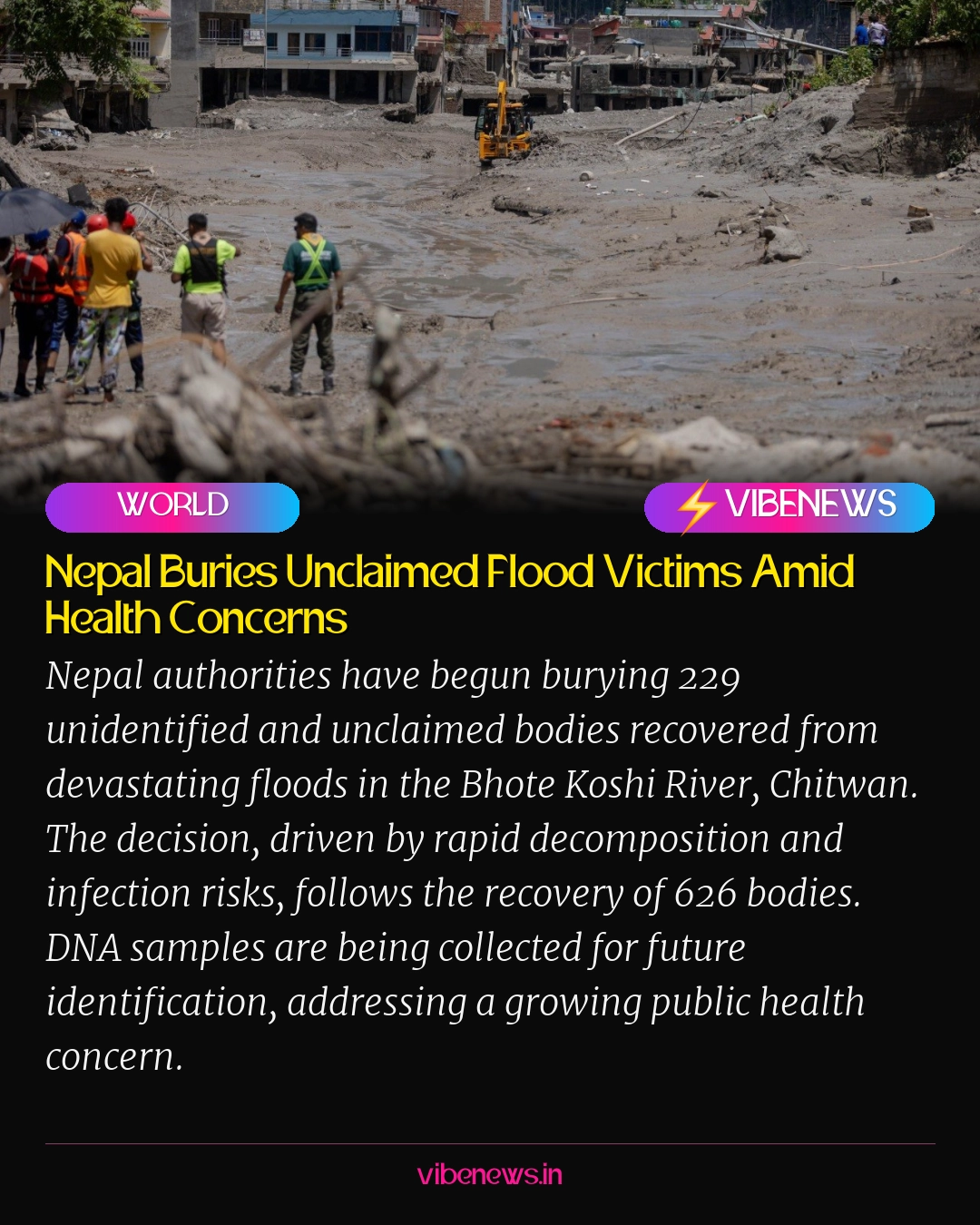
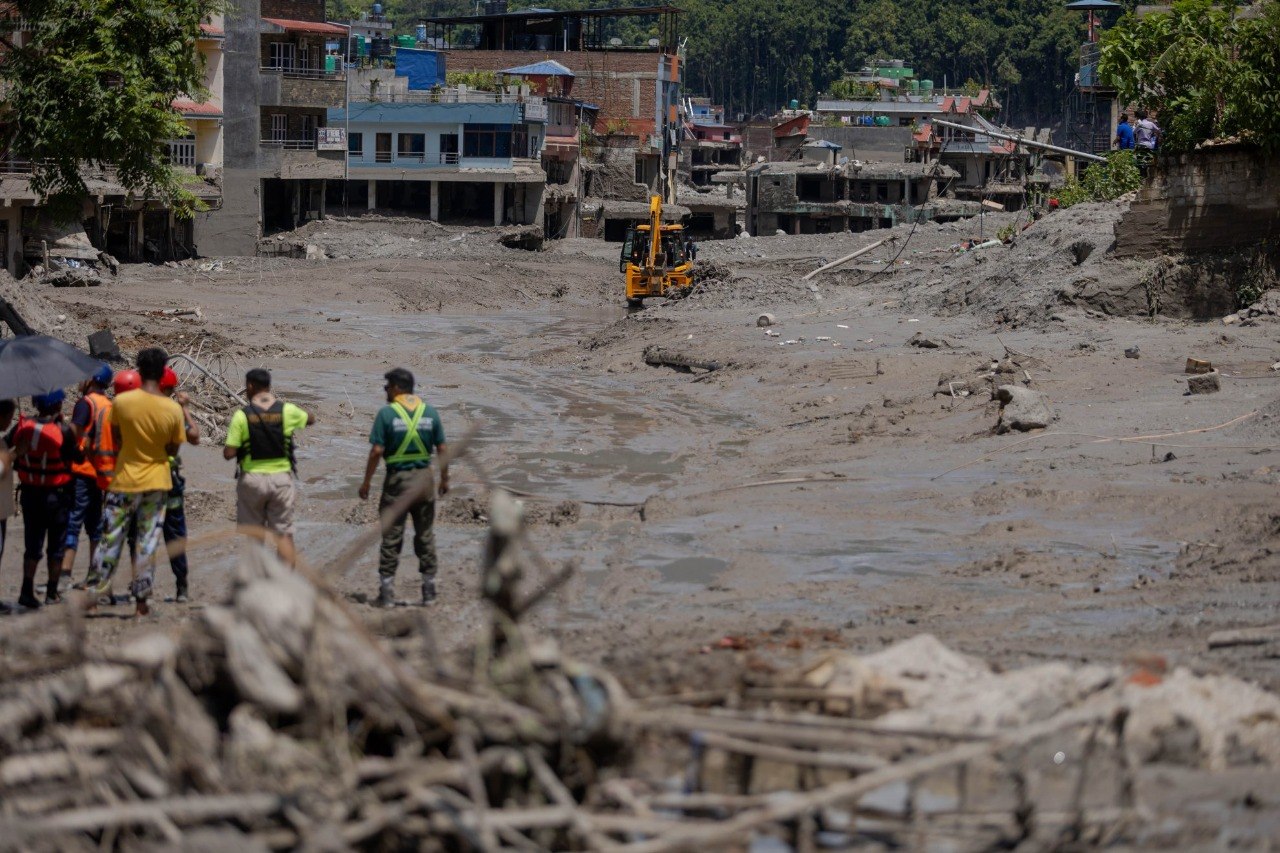
Nepal has commenced the burial of 229 unidentified and unclaimed bodies recovered from the devastating floods along the Bhote Koshi River in the southern Chitwan district. This difficult decision was made by authorities due to the rapid deterioration of the remains and pressing concerns over potential public health risks, including the spread of infectious diseases.
The National Disaster Risk Reduction and Management Authority reported that a total of 626 bodies had been collected from the flood-affected areas as of Saturday morning. The sheer volume of deceased individuals quickly overwhelmed local facilities, with hospitals in Chitwan district struggling to prevent further decomposition due to inadequate space and proper storage amenities.
The Immediate Health Imperative
Health experts issued urgent warnings regarding the escalating decomposition and the pervasive foul odor emanating from the bodies. They highlighted a significant risk of infection and the potential for these conditions to contribute to an an epidemic, particularly in densely populated areas or near water sources.
Responding to these critical health advisories, the District Security Committee, Chitwan, convened and decided to proceed with the burial of all unidentified and unclaimed bodies. The chosen location for these burials is an open area in Devghat, situated within Bharatpur Metropolitan City, a site deemed suitable for such a large-scale operation.
Crucially, authorities have committed to collecting DNA samples from every body prior to burial. This meticulous process aims to create a permanent record, assigning unique identification or reference numbers to each individual. This measure is vital for potential future identification, offering a glimmer of hope for families desperately searching for their missing loved ones.
Nepal’s Vulnerability to Monsoon Fury
Nepal, a landlocked nation nestled in the Himalayas, is acutely vulnerable to the annual monsoon season, which typically runs from June to September. The country’s rugged topography, characterized by steep slopes and numerous rivers originating from glacial melt and heavy rainfall, makes it highly susceptible to flash floods, landslides, and riverine inundation.
The Bhote Koshi River, a tributary of the Sun Koshi, is particularly known for its volatile nature. Originating in Tibet, its rapid descent through narrow gorges often leads to sudden and powerful surges, especially during intense rainfall events. Communities living along its banks face perennial threats from its unpredictable currents and rising water levels.
This year’s monsoon has been particularly severe in several regions, exacerbating existing vulnerabilities. While the immediate focus is on the Chitwan district, the broader impact of such widespread flooding often includes displacement of populations, destruction of agricultural land, and significant damage to critical infrastructure like roads and bridges, further complicating relief efforts.
Challenges in Disaster Response and Identification
The recovery and management of a large number of deceased individuals in the aftermath of a natural disaster present immense logistical and ethical challenges for any nation. For a developing country like Nepal, these challenges are compounded by limited resources, specialized personnel, and advanced forensic capabilities.
The initial phase of body recovery is often undertaken by local communities and first responders, frequently without the necessary protective gear or systematic protocols. The subsequent task of storing and identifying bodies requires specialized facilities, such as refrigerated morgues, which are often scarce outside major urban centers.
The decision to bury bodies, even with DNA collection, underscores the severe limitations faced by local authorities. It highlights the urgent need for enhanced disaster preparedness frameworks that include provisions for mass casualty management, forensic identification, and dignified handling of human remains, even in remote or resource-constrained environments.
The Long Road to Closure
For the families of the missing, the inability to identify and properly mourn their loved ones adds an immeasurable layer of grief and trauma. The collection of DNA samples, while a crucial step, initiates a potentially long and arduous process of matching these samples with those provided by relatives, often requiring international forensic support.
The psychological toll on communities affected by such disasters is profound. Beyond the immediate loss of life and property, the uncertainty surrounding missing persons can perpetuate a state of prolonged anguish. Ensuring that records are meticulously maintained and accessible will be paramount for providing eventual closure to these families.
Editorial Context
Addressing Future Vulnerabilities
The mass burial of unidentified flood victims in Nepal serves as a stark reminder of the escalating humanitarian challenges posed by climate change and extreme weather events. While the immediate crisis in Chitwan district demands urgent attention, the long-term implications extend to national disaster preparedness strategies, public health infrastructure, and international cooperation.
Nepal’s recurring vulnerability to monsoon-induced disasters necessitates a robust, multi-faceted approach. This includes investing in early warning systems, constructing resilient infrastructure, and implementing community-based disaster risk reduction programs. Furthermore, the incident highlights the critical need for specialized training and resources for forensic identification and dignified management of human remains in post-disaster scenarios.
The commitment to DNA collection, despite the urgency of burials, reflects a crucial step towards upholding human dignity and providing eventual closure to affected families. This incident should prompt a broader re-evaluation of how nations, particularly those on the front lines of climate change, prepare for and respond to mass casualty events, ensuring that even in the face of overwhelming tragedy, every effort is made to identify and honor the deceased.
TL;DR
- Nepal authorities are burying 229 unidentified and unclaimed bodies recovered from devastating floods.
- The decision was made due to rapid decomposition of remains and significant public health risks, including infection.
- A total of 626 bodies were recovered from the Bhote Koshi River floods in the southern Chitwan district.
- DNA samples are being meticulously collected from all bodies before burial for potential future identification.
- Burials are taking place in an open area in Devghat, Bharatpur Metropolitan City, following health expert warnings.
- This action addresses an immediate humanitarian and public health crisis, highlighting Nepal’s vulnerability to monsoon disasters.