Nepal Begins Mass Burial of Unidentified Flood Victims
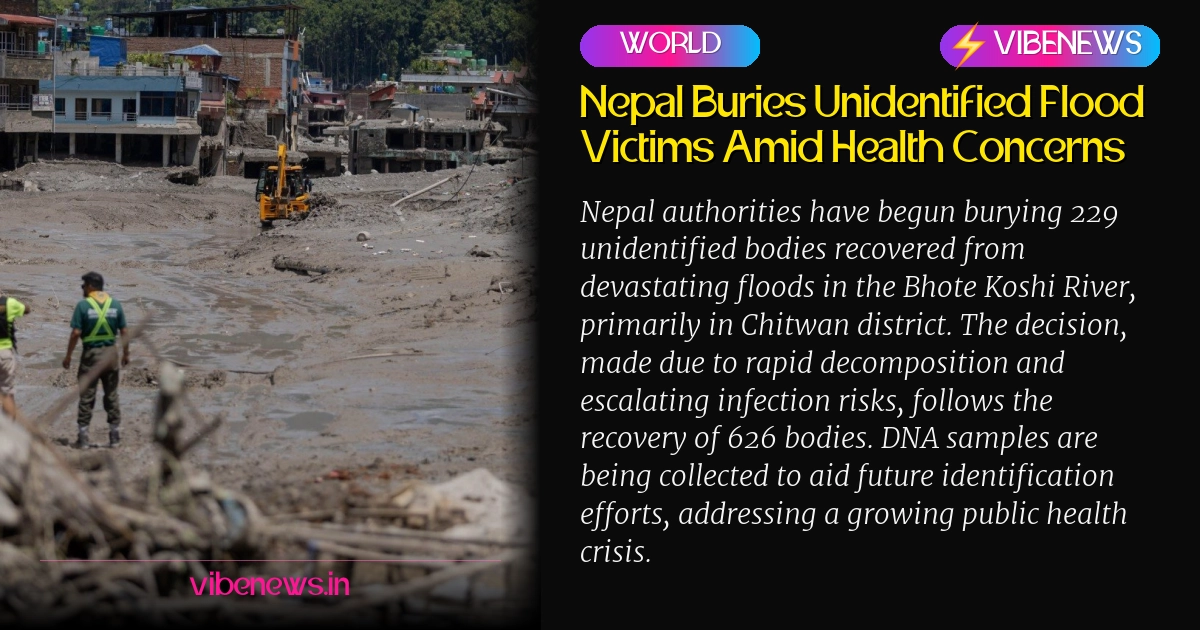
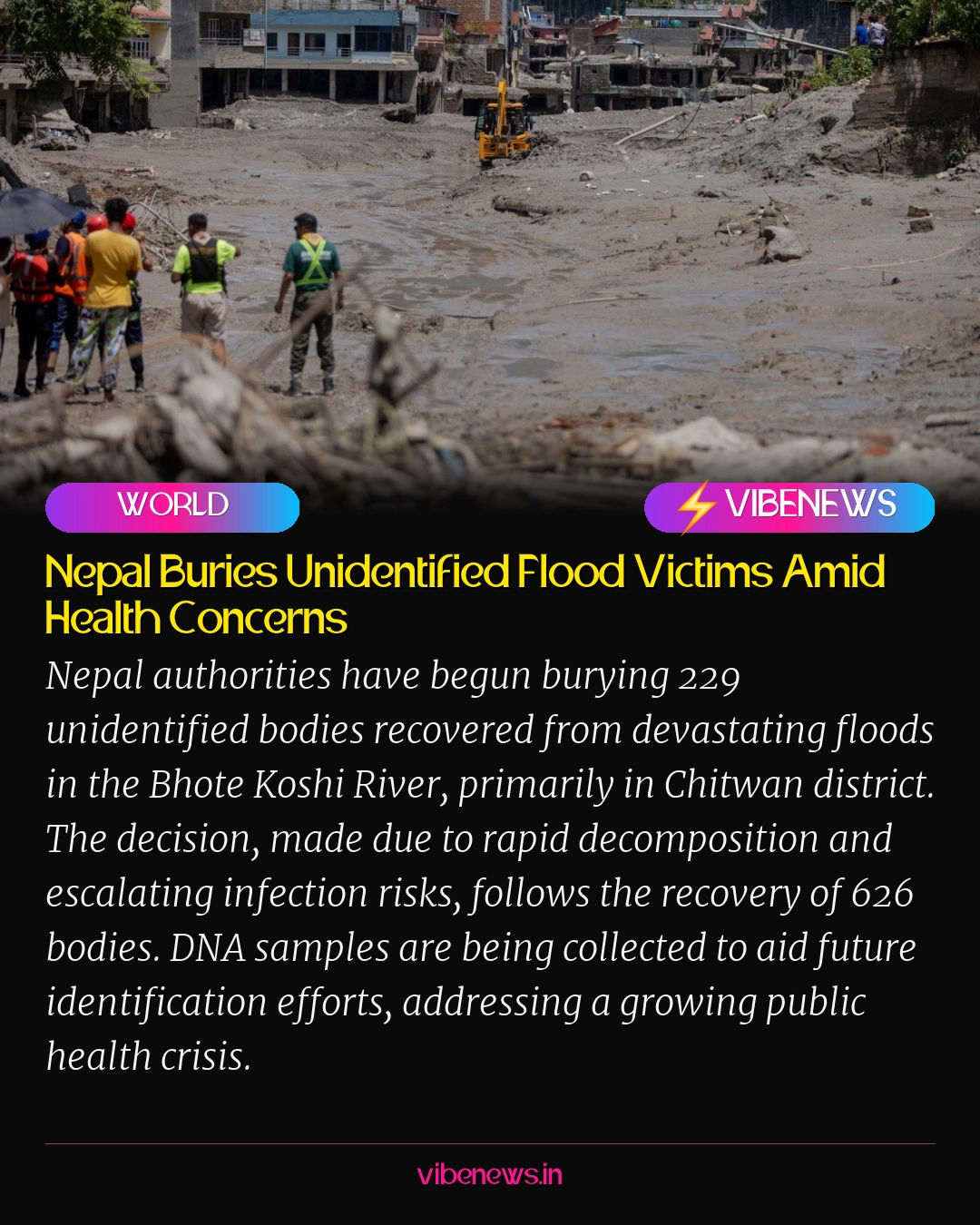
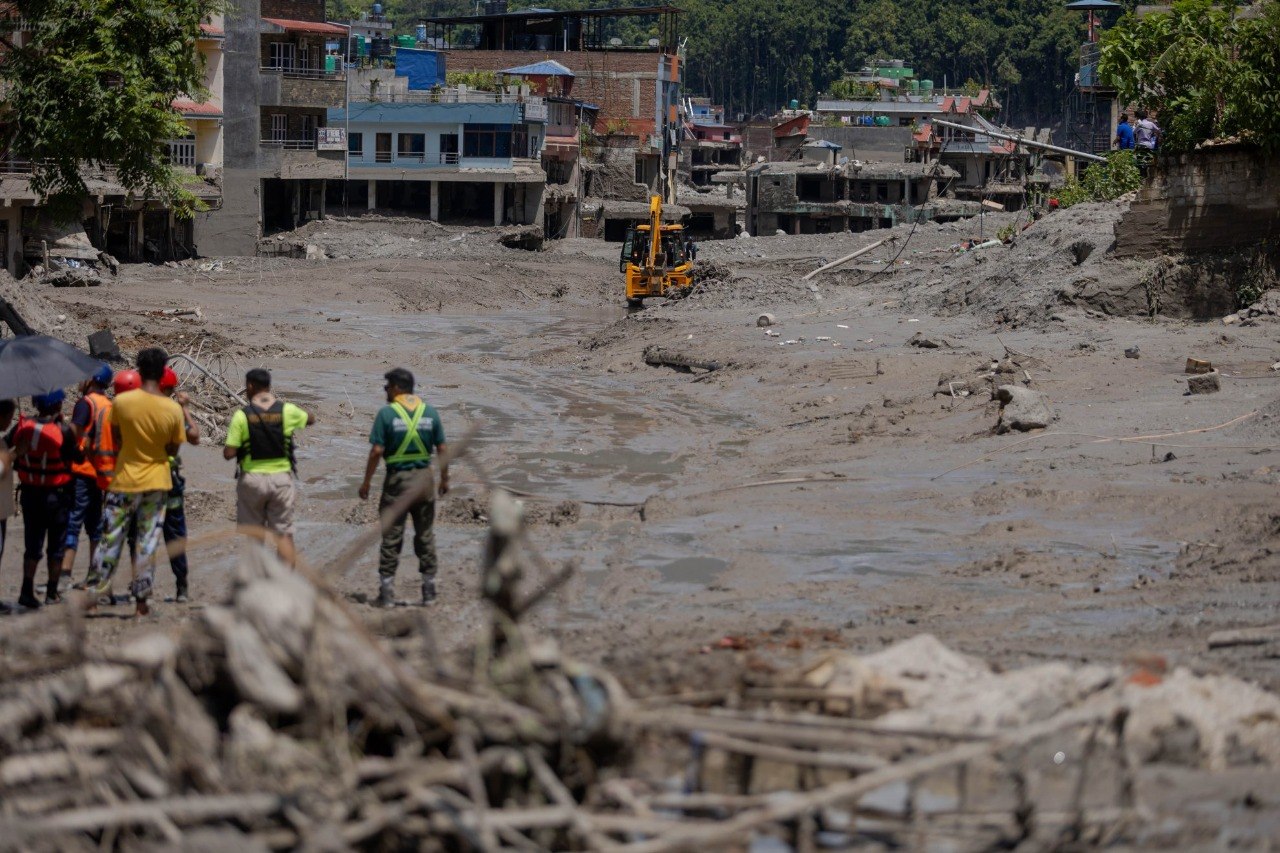
Nepal has commenced the solemn process of burying 229 unidentified bodies recovered from recent devastating floods, primarily along the Bhote Koshi River. This critical decision, taken by authorities in the southern Chitwan district, addresses the urgent public health threat posed by rapidly decomposing remains. The move comes as the total count of recovered bodies from the deluge reached 626.
The Immediate Public Health Imperative
Local hospitals and temporary facilities in Chitwan district struggled immensely to manage the sheer volume of recovered bodies. Inadequate space and a lack of proper preservation facilities accelerated decomposition, creating an increasingly dire situation. Health experts issued stark warnings about the escalating risk of infection and the potential for an epidemic if the situation remained unaddressed.
Safeguarding Future Identification
Responding to these urgent health concerns, the District Security Committee in Chitwan authorized the burial of all unidentified and unclaimed bodies. The designated site is an open area in Devghat, within Bharatpur Metropolitan City. Crucially, authorities are collecting DNA samples from each body and maintaining detailed records with unique identification numbers, hoping to facilitate future identification by grieving families.
Nepal’s Enduring Vulnerability to Monsoon Disasters
Nepal, a nation characterized by its rugged Himalayan terrain and numerous rivers, is acutely vulnerable to annual monsoon floods and landslides. The Bhote Koshi River, originating in Tibet, is particularly prone to flash floods, often exacerbated by glacial lake outburst floods (GLOFs) and intense rainfall. These events frequently devastate communities living along its banks, washing away homes, infrastructure, and claiming lives.
The country has a tragic history of major flood events, such as the 2014 Sunkoshi landslide which dammed the river and caused extensive flooding downstream, and the widespread inundation during the 2017 monsoon season. Each year, the monsoon brings a renewed threat, testing the resilience of local populations and the capacity of disaster management agencies. The current situation in Chitwan underscores the persistent challenges in managing the aftermath of such large-scale natural calamities.
Strained Infrastructure and Public Health Risks
The decomposition of human remains in warm, humid conditions presents a significant public health hazard. Beyond the immediate risk of bacterial and viral infections, there is a heightened potential for water contamination, leading to outbreaks of diseases like cholera, typhoid, and dysentery. The foul odor itself can cause respiratory issues and psychological distress among rescue workers and nearby residents. Ensuring safe disposal is paramount to preventing a secondary health crisis.
The sheer number of bodies overwhelmed the limited resources of Chitwan district, a region known for its national parks and agricultural lands but not equipped for mass casualty management on this scale. The lack of refrigerated morgue space and forensic capabilities in many rural districts complicates the dignified handling and identification of victims. This incident highlights systemic gaps in disaster preparedness infrastructure across the nation.
The National Disaster Risk Reduction and Management Authority (NDRRMA) plays a central role in coordinating disaster response efforts in Nepal. However, the scale and frequency of natural disasters often stretch its resources thin. The current decision to proceed with burials, while necessary, reflects the immense pressure on authorities to balance public health imperatives with the deeply cultural and emotional need for proper identification and last rites.
Editorial Context: A Call for Enhanced Preparedness
This tragic development in Nepal underscores the profound and multifaceted challenges posed by climate change-induced extreme weather events. The increasing intensity and unpredictability of monsoon rains are leading to more frequent and severe floods, overwhelming existing disaster response mechanisms. The inability to identify a significant number of victims not only adds to the emotional trauma of families but also highlights critical deficiencies in forensic infrastructure and mass casualty management protocols in vulnerable regions.
Beyond the immediate public health crisis, the incident raises long-term questions about sustainable development in flood-prone areas, the effectiveness of early warning systems, and the need for enhanced international cooperation in disaster preparedness and recovery. The collection of DNA samples, while a crucial step, also points to the enduring hope for closure for hundreds of families who will forever search for their lost loved ones, a testament to the human cost of environmental shifts.
TL;DR
- Nepal authorities are burying 229 unidentified bodies recovered from devastating floods in the Bhote Koshi River.
- The decision was made due to rapid decomposition and the high risk of infection and potential epidemic.
- A total of 626 bodies have been recovered from the floods, primarily in the Chitwan district.
- DNA samples are being collected from all bodies before burial to aid future identification efforts.
- The burials are taking place in an open area in Devghat, Bharatpur Metropolitan City.
- The incident highlights Nepal’s vulnerability to monsoon floods and challenges in mass casualty management.