A Fortuitous Pause in Nepal
For five friends from Chhattisgarh, a seemingly trivial decision to stop for tea in Nepal on August 26, 2026, became the difference between life and death. Narayan Sen, Dinesh Ojha, Prem Singh Jagat, Yatendra Prakash, and Dinesh Singh Thakur, all residents of Mana Camp in Raipur and aged between 50 and 60, were on a pilgrimage to various temples in the Himalayan nation when flash floods struck with devastating force.
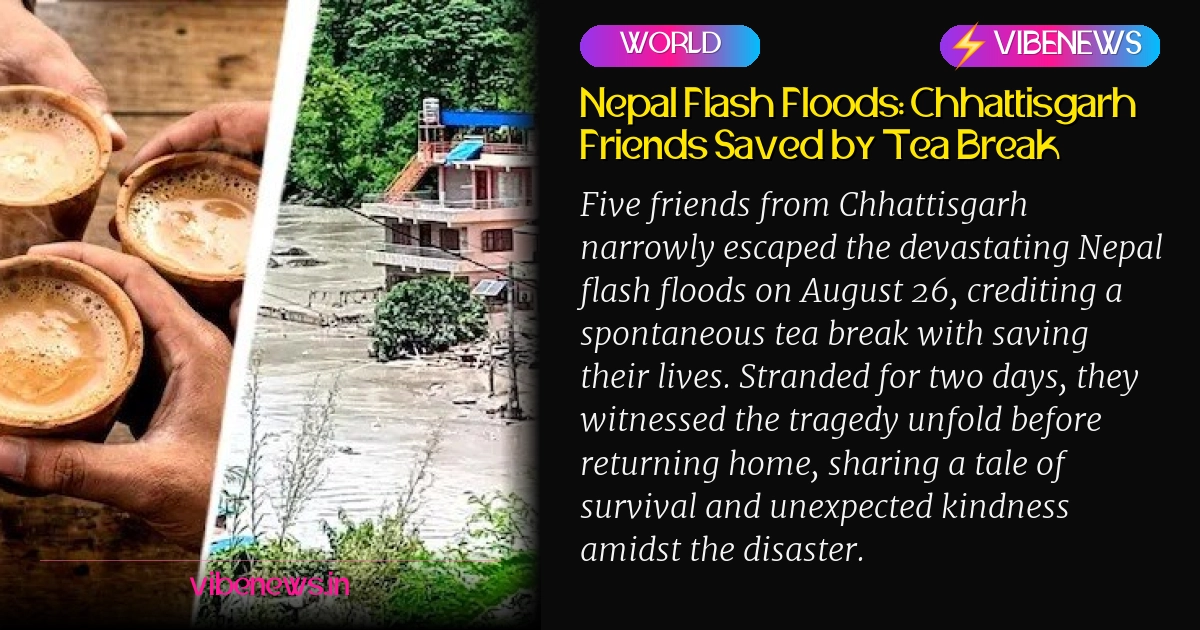
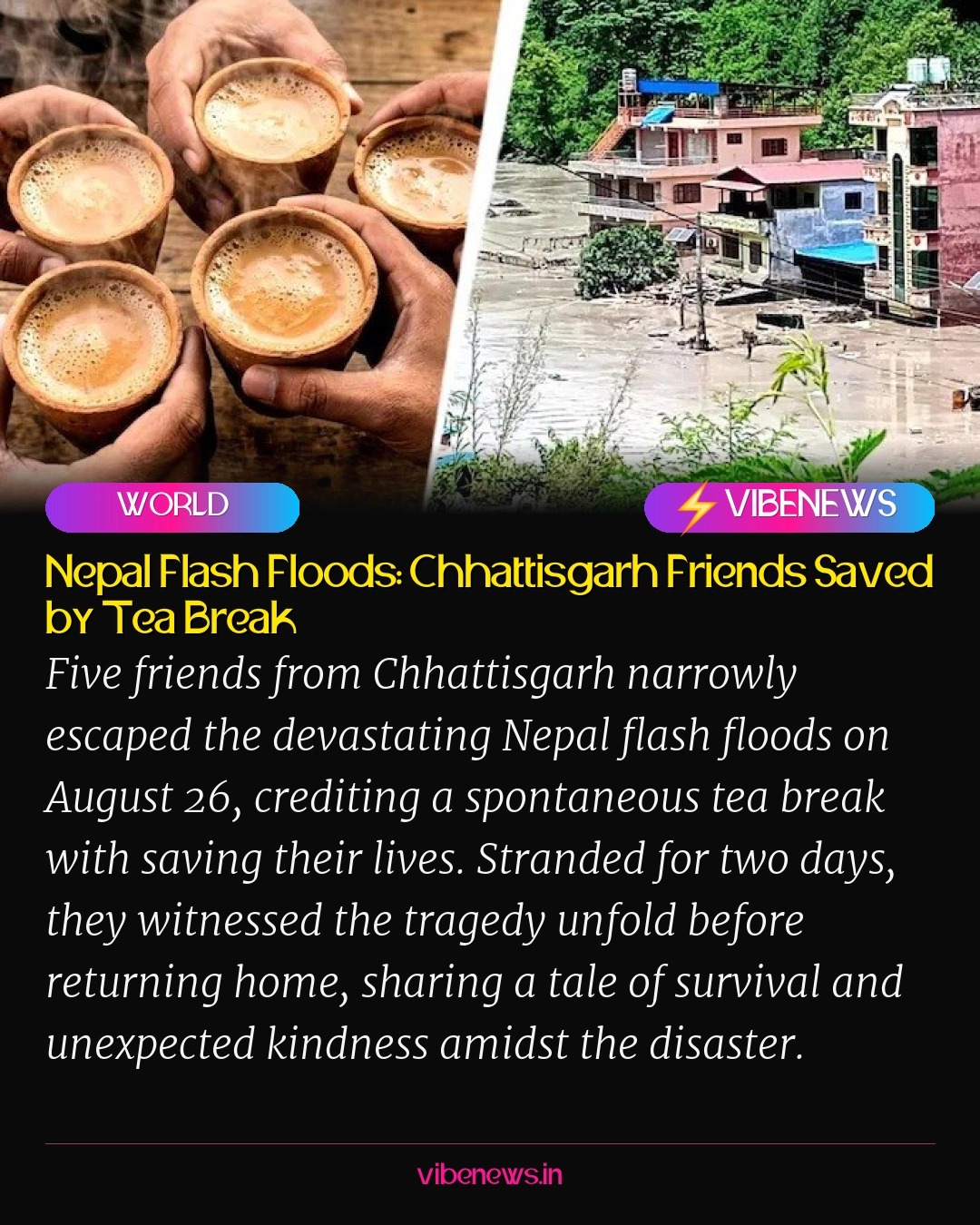
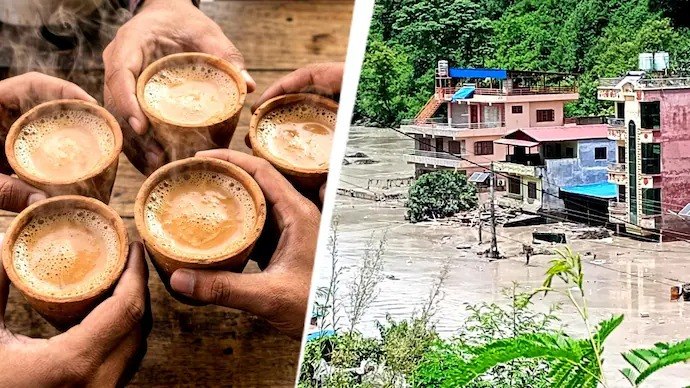
The group, who had departed Raipur on August 21 and arrived in Nepal the following day, had planned to visit revered sites like Pashupatinath Temple and Manokamana Temple. Their journey took an unforeseen turn around 10 am on August 26 when they decided to pause for refreshments at a hotel in Nepal’s Dhading district, approximately 50 kilometers from their intended destination, Pashupatinath Temple.
Witnessing Nature’s Fury
It was during this unplanned stop that the friends learned of the unfolding catastrophe. News quickly spread that a bridge ahead had been swept away by the raging floodwaters. This crucial piece of information, relayed by the Indian owner of the hotel who also provided them with food and shelter, prevented them from driving directly into the path of the disaster.
The men became unwilling observers of the tragedy, taking refuge on higher ground in Malekhu. They spent two harrowing nights sleeping in their rented car, watching the swollen Trishuli river below and hearing reports of widespread devastation. Entire villages, buildings, offices, and even hydropower projects were reportedly destroyed, painting a grim picture of the flood’s immense power.
Community Spirit Amidst Chaos
Despite the dire circumstances, the group lauded the swift response and assistance from local administration and police. They were assured of their safety on higher ground and received crucial support. Internet services remained functional, allowing them to stay in contact with their families back in India and utilize the helpline provided by the Indian government to share their location, alleviating panic.
A particularly heartwarming moment occurred amidst the chaos. As the friends prepared to leave Nepal on August 28, local women security personnel tied rakhis on their wrists, marking the Raksha Bandhan festival. This gesture of solidarity and care provided a comforting human touch during a deeply distressing experience, reminding them of the bonds of humanity that transcend borders.
The Lingering Shadow of Disaster
Upon their return home on Saturday, the friends recounted their ordeal, with Dinesh Ojha expressing that the scenes of devastation and people desperately searching for missing family members would forever be etched in their memories. The fear of subsequent floods also loomed large during their two-day wait, making sleep elusive.
The flash floods in Nepal are a recurring challenge, exacerbated by the country’s mountainous terrain, heavy monsoon rains, and fragile geological conditions. Annual monsoon seasons often bring landslides and floods, impacting infrastructure, displacing communities, and causing significant loss of life. The Trishuli River, a major river in Nepal, is particularly susceptible to such events due to its steep gradient and the high volume of water it carries during peak monsoon.
As of Sunday morning, the official death toll in Nepal from the August 26 flash flood stood at 734, with approximately 2,426 people still missing. The disaster also extended into Tibet, where Chinese authorities confirmed 16 deaths and 554 missing individuals in Gyirong County, highlighting the regional scale of the calamity.
Editorial Context: Resilience in the Face of Calamity
This incident, where a simple tea break averted a potential tragedy for five Indian tourists, underscores the unpredictable and often arbitrary nature of natural disasters. It highlights not only the sheer destructive power of such events but also the remarkable resilience of individuals and communities. The story serves as a poignant reminder of the annual challenges faced by Himalayan nations during monsoon season, where lives and livelihoods are constantly at risk from flash floods and landslides.
Beyond the personal narrative of survival, the incident also showcases the vital role of local support systems and cross-border humanitarian cooperation. The assistance provided by the Indian hotelier, local authorities, and the Indian government’s helpline were crucial in ensuring the safety and eventual return of the tourists. Such events emphasize the need for robust early warning systems, resilient infrastructure, and coordinated regional responses to mitigate the impact of climate-induced disasters, which are projected to intensify in frequency and severity.
TL;DR
- Five friends from Chhattisgarh survived the devastating Nepal flash floods on August 26, 2026, due to an unplanned tea break.
- Stranded for two days in Nepal’s Dhading district, they witnessed widespread destruction caused by the raging Trishuli river.
- Crucial assistance was provided by an Indian hotelier, local administration, and police, ensuring their safety and sustenance.
- The group maintained contact with their families in India via the internet and utilized the Indian government’s helpline.
- A heartwarming moment occurred when local women security personnel tied rakhis on their wrists, marking Raksha Bandhan.
- The official death toll in Nepal reached 734, with thousands still missing across Nepal and Tibet following the disaster.