Pakistan Issues Strict Advisory for Pilgrims to Saudi Arabia
The Pakistani government has issued a comprehensive and stern advisory to its citizens embarking on the sacred journeys of Hajj and Umrah to Saudi Arabia. The directive, disseminated by the Pakistani Embassy in Riyadh, explicitly warns against engaging in begging, unauthorized collection of funds, and any form of violation of Saudi visa regulations. This proactive measure underscores a heightened emphasis on adherence to local laws and the conditions governing entry into the Kingdom.
This advisory is not merely a formality; it carries significant weight, cautioning Pakistani nationals that non-compliance could lead to severe repercussions, including immediate arrest, prolonged detention, and eventual deportation. This firm stance reflects both the Saudi authorities’ zero-tolerance policy towards such infractions and Pakistan’s commitment to ensuring its citizens uphold international decorum and respect the sovereignty of the host nation.
A Clear Message Through Modern Mediums
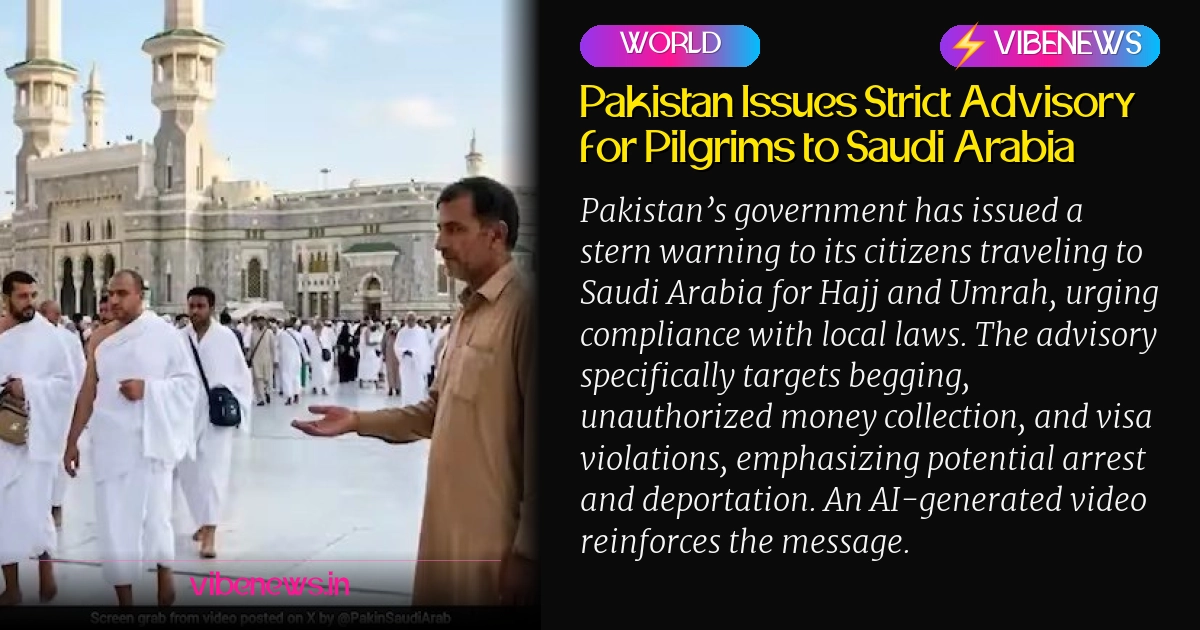
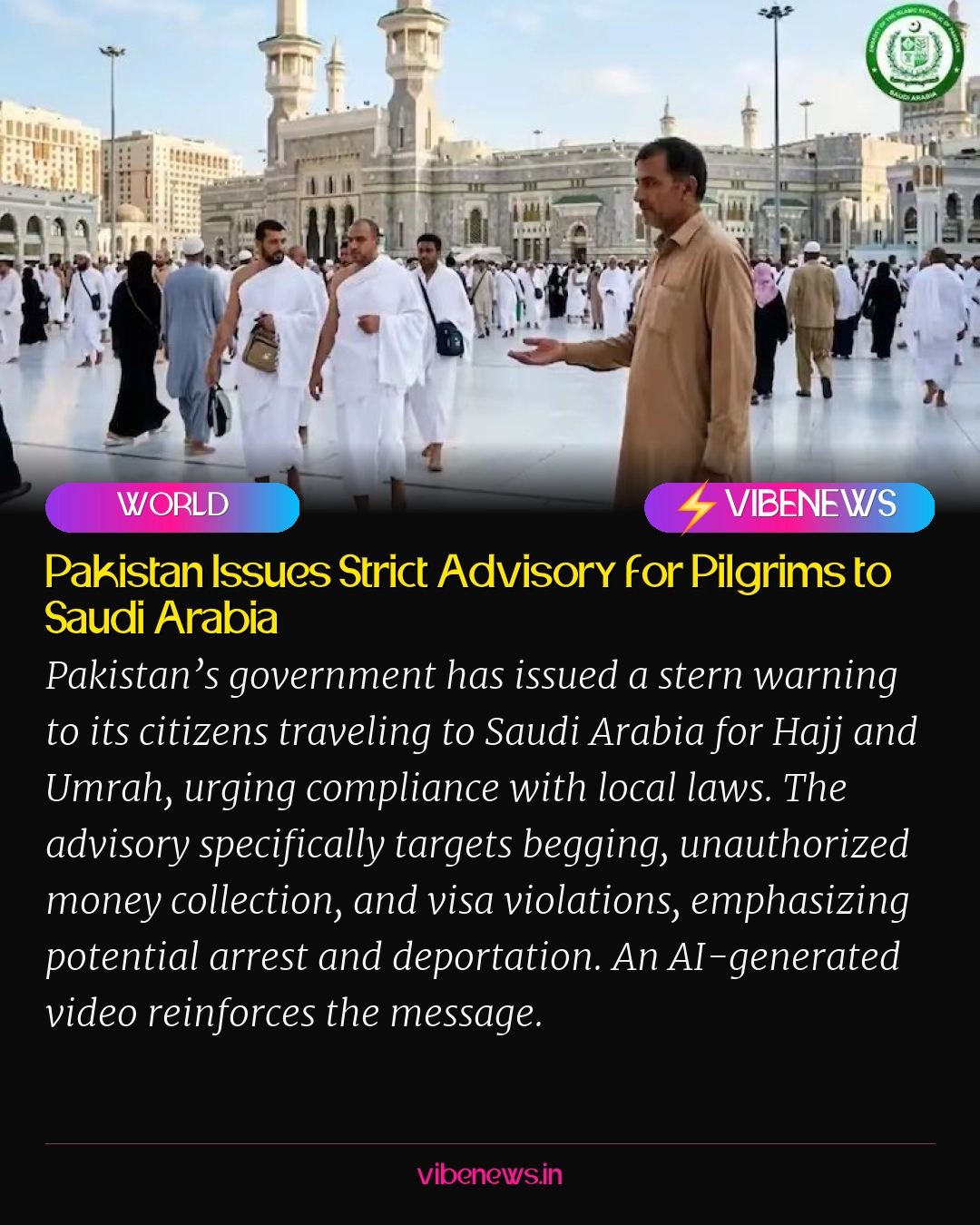
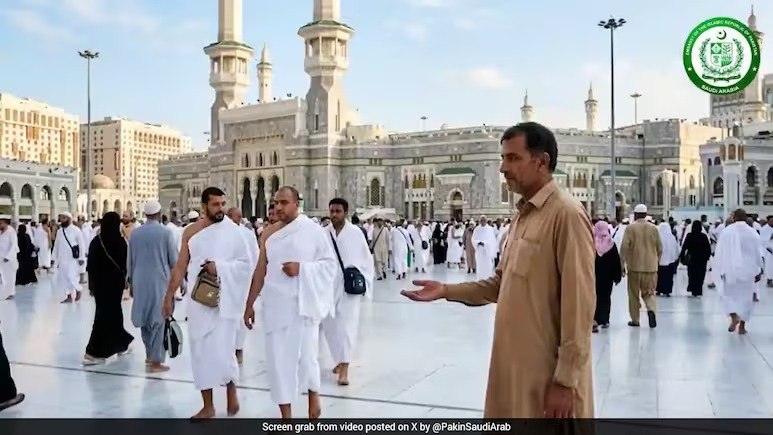
To amplify its message and ensure widespread understanding among its diverse populace, the Pakistani Embassy leveraged modern communication tools. An AI-generated video was shared across social media platforms, prominently featuring a depiction of an individual being apprehended by Saudi authorities and subsequently jailed for violating local laws. This visual aid, captioned "Important Message for All Umrah Pilgrims and Workers Coming from Pakistan," serves as a stark and unambiguous reminder of the potential consequences.
The video’s direct and unambiguous portrayal aims to leave no room for misinterpretation regarding the seriousness of Saudi Arabia’s legal framework. It specifically targets incoming Umrah pilgrims and workers, a demographic that often includes individuals seeking economic opportunities, sometimes leading to desperate measures like begging, which is strictly prohibited under Saudi law.
The Diplomatic Imperative and Public Order
Saudi authorities have consistently maintained a stringent approach to public order, particularly within the holy cities of Mecca and Medina, which annually host millions of pilgrims from across the globe. The embassy’s advisory highlights this unwavering commitment, noting a "zero-tolerance approach" towards begging and any form of unauthorized solicitation around these sacred sites. This policy is crucial for managing the immense logistical and security challenges posed by such large gatherings, ensuring a safe and orderly environment for all worshippers.
Visitors from Pakistan have been explicitly advised against utilizing or providing unauthorized local services, which can often be exploitative or illegal. Furthermore, any financial collection or assistance must strictly adhere to legal channels, preventing exploitation and maintaining transparency. This directive aims to protect pilgrims from falling prey to illegal networks and to preserve the sanctity and spiritual focus of the pilgrimage experience, free from distractions of illicit activities.
Navigating Visa Regulations and Expectations
Beyond the immediate concern of begging, the advisory also reiterates the critical importance of adhering to visa terms and durations. Pilgrims and workers are reminded that their visas are granted for specific purposes and periods, whether for religious pilgrimage, work, or tourism. Overstaying a visa, even by a short duration, or engaging in activities not explicitly permitted under its category constitutes a serious offense under Saudi law, leading to immediate legal action, fines, and potential blacklisting from future entry.
This emphasis on visa compliance is vital, as instances of overstaying or engaging in unauthorized work have historically posed significant challenges for both Saudi immigration authorities and the diplomatic missions of sending countries. The advisory seeks to pre-empt such issues, ensuring a smoother and more respectful experience for all involved, and preventing unnecessary distress for Pakistani nationals abroad.
The Significance of Hajj and Umrah
Hajj, one of the five pillars of Islam, is a mandatory pilgrimage for every Muslim who possesses the physical and financial means to undertake it at least once in their lifetime. Umrah, while not obligatory, is a highly recommended pilgrimage that can be performed at any time of the year. These journeys involve a series of profound rituals, many of which are conducted outdoors amidst vast crowds, requiring meticulous organization and adherence to rules.
The sheer scale of these pilgrimages is immense. Last year alone, the total number of Hajj pilgrims reached 1,673,320, with a significant majority—1,506,576—traveling to Saudi Arabia from outside the Kingdom. This massive influx necessitates strict regulations and efficient management to ensure the safety, comfort, and spiritual fulfillment of all participants, making compliance with local laws an absolute necessity.
A History of Vigilance and Education
This is not the first instance of a nation issuing advisories to its citizens traveling for religious purposes. Governments worldwide, including Pakistan, regularly update their travel guidelines to reflect changes in host country laws or to address recurring issues. Such advisories are part of a continuous effort to educate pilgrims and workers, ensuring they are well-informed before their departure. The use of an AI-generated video marks a modern evolution in these communication strategies, aiming for greater impact and reach among a tech-savvy population.
Editorial Context: Upholding National Dignity and Pilgrim Welfare
This advisory from Pakistan is more than just a routine travel warning; it reflects a broader, evolving landscape of international travel and diplomatic responsibility. In an era where global mobility is increasing, nations are increasingly expected to educate their citizens about the laws and cultural norms of host countries. For Pakistan, a nation with a deep spiritual connection to Saudi Arabia through the holy sites, ensuring its citizens conduct themselves with dignity and respect abroad is paramount, reflecting positively on the nation as a whole.
The long-term implications extend to maintaining robust bilateral relations between Pakistan and Saudi Arabia. Consistent adherence to Saudi laws by Pakistani pilgrims and workers strengthens trust and facilitates smoother diplomatic interactions, which are crucial for various economic and political ties. Furthermore, it safeguards the welfare of Pakistani citizens themselves, protecting them from legal troubles, potential exploitation, and ensuring their spiritual journeys remain unblemished. This advisory is a proactive step towards fostering responsible international citizenship and preserving the sanctity of religious pilgrimage in a globalized world, emphasizing prevention over intervention.
TL;DR
- Pakistan has issued a strict advisory to its citizens traveling to Saudi Arabia for Hajj and Umrah pilgrimages.
- The advisory explicitly warns against begging, unauthorized collection of money, and violations of Saudi visa rules.
- The Pakistani Embassy in Saudi Arabia utilized an AI-generated video on social media to visually depict the consequences of breaking local laws, including arrest and detention.
- Saudi authorities maintain a zero-tolerance approach towards begging and unauthorized solicitation, particularly around the holy sites of Mecca and Medina.
- Pilgrims and workers are reminded to strictly adhere to the terms and duration of their visas, avoiding overstaying or engaging in unpermitted activities.
- Violations of these regulations can lead to severe penalties, including arrest, detention, deportation, and potential blacklisting from future entry into Saudi Arabia.