A Glimmer of Hope in Chester
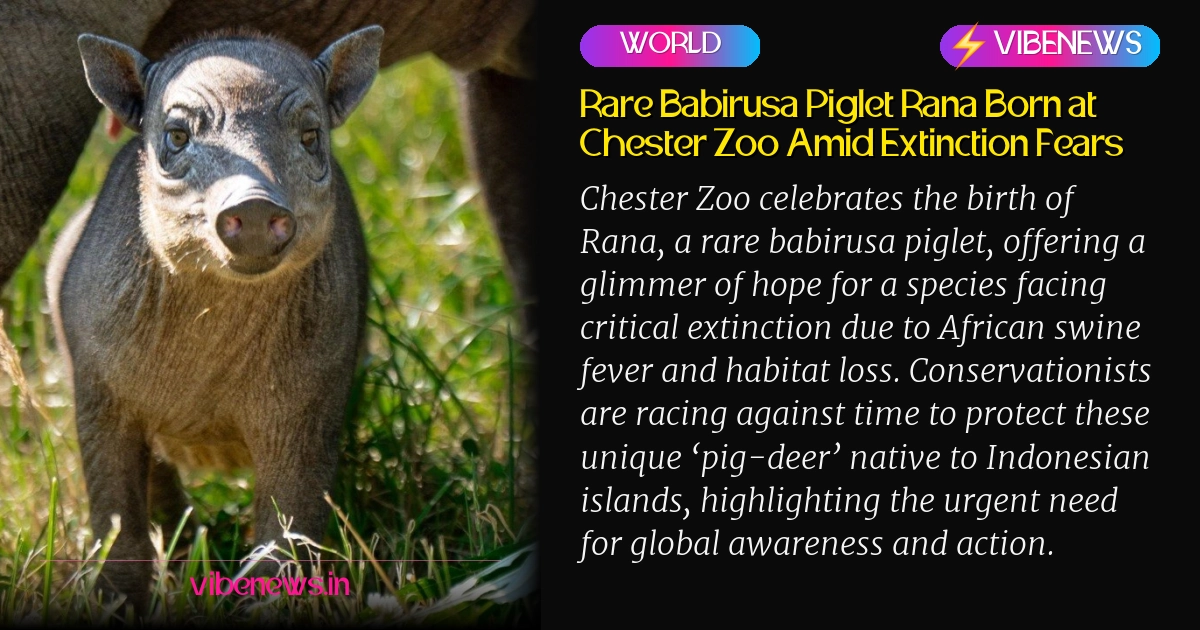
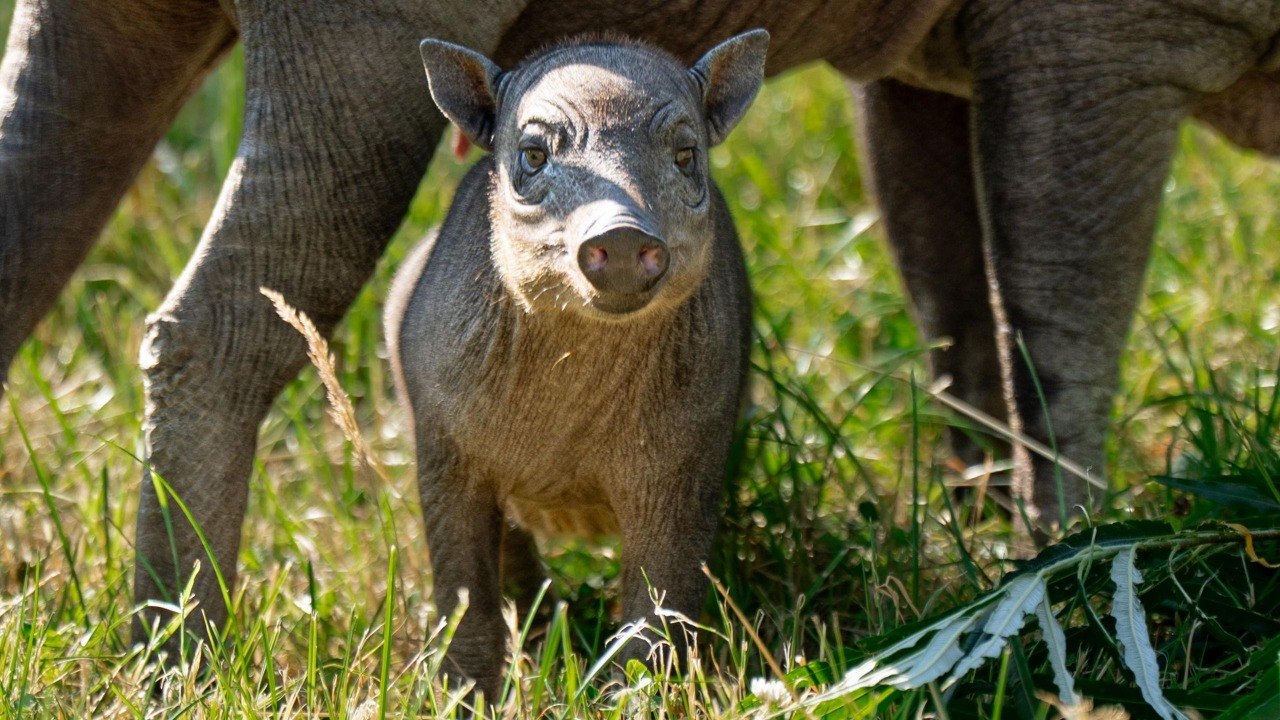
Chester Zoo is celebrating a significant conservation milestone with the birth of Rana, a rare babirusa piglet. This tiny arrival, described by keepers as initially the size of a ‘grapefruit with legs,’ represents a vital lifeline for a species teetering on the brink of extinction in the wild. Her birth underscores the critical role of zoological institutions in global wildlife preservation efforts.
Rana’s mother, Matano, an 11-year-old babirusa born at Chester Zoo, has now contributed to the species’ genetic diversity across Europe. The meticulous monitoring of Matano’s pregnancy, which typically lasts 161 days for babirusas at the zoo, culminated in this much-anticipated birth. Keepers used remote baby monitors to ensure minimal disturbance to the sensitive new mother and her offspring.
Understanding the Babirusa: A Prehistoric Enigma
Babirusas, often referred to as ‘pig-deer’ or ‘prehistoric pigs,’ belong to the genus Babyrousa and are native to just four Indonesian islands: Sulawesi, Togian, Sula, and Buru. These unique animals are instantly recognizable by the prominent, upward-curving lower canine tusks found in both sexes, with males also possessing upper canine tusks that grow through the top of their snout. Their distinctive appearance has even been immortalized in cave drawings dating back 35,000 years, highlighting their ancient lineage.
Despite their pig-like classification, babirusas exhibit several unusual traits. They are among the fastest runners in the swine family, capable of reaching speeds of up to 30 miles per hour. Primarily residing in rainforests and wetlands, their diet consists of fruits, plants, and small animals, which they forage for using specialized hooves to dig for roots and larvae, and even standing on their hind legs to reach leaves high in trees.
A Species on the Brink
The babirusa’s existence in the wild has become increasingly precarious. Once classified as vulnerable by the International Union for the Conservation of Nature (IUCN), the species is now poised to be uplisted to Critically Endangered. This alarming decline is primarily attributed to the devastating impact of African swine fever, which reached their island habitats approximately five years ago.
The disease has caused wild populations to plummet rapidly, pushing these charismatic animals closer to extinction. Beyond the immediate threat of disease, babirusas also face ongoing pressures from habitat loss due to deforestation and illegal hunting. Their naturally small litter sizes—typically one or two piglets—mean that wild populations recover very slowly from such significant setbacks, making each birth, like Rana’s, incredibly precious.
Conservation Efforts and Hope
Chester Zoo is a key player in international efforts to save the babirusa, collaborating with partners in Indonesia through initiatives like Action Indonesia. This partnership is crucial for implementing the Indonesian government’s new plan to protect babirusas in their natural environment. The zoo has shared its extensive breeding expertise, contributing to the birth of at least 17 babirusas in Indonesian facilities and supporting cooperative breeding targets.
Understanding the remaining wild populations is paramount. Chester Zoo has supported camera-trap studies on Sulawesi, which, over 2023 and 2024, only photographed babirusas on two occasions. This stark finding underscores the urgency of the situation and the need for more comprehensive data to inform targeted conservation strategies. These efforts aim to mitigate the combined pressures of disease, forest loss, and human-wildlife conflict.
Ecological Significance of the ‘Pig-Deer’
Babirusas play a vital, often overlooked, role in their island ecosystems. As they forage through the forest, they scatter seeds, thereby aiding in forest regeneration and maintaining biodiversity. Their presence and health are considered key indicators of the overall well-being of the ecosystem. The potential loss of babirusas would not only mean the disappearance of a unique species but also a significant disruption to the delicate balance of their habitats.
Amy Humphreys, a conservationist at Chester Zoo, emphasizes the profound impact of their potential extinction. She notes that babirusas are an important part of Indonesia’s cultural and natural heritage, representing one of the oldest pig species still alive. Rana’s arrival, therefore, serves as a powerful opportunity to raise public awareness about these incredible animals and galvanize support for their urgent protection.
Editorial Context: A Broader Conservation Imperative
The birth of Rana at Chester Zoo transcends the immediate joy of a new life; it serves as a poignant reminder of the global biodiversity crisis. The babirusa’s struggle against African swine fever highlights the increasing vulnerability of wild populations to emerging diseases, often exacerbated by human encroachment and climate change. This situation underscores the interconnectedness of animal health, human health, and environmental stability.
Zoos like Chester Zoo are evolving beyond mere exhibits, transforming into vital hubs for scientific research, captive breeding programs, and public education. Their role in maintaining genetic diversity and providing a safety net for critically endangered species is indispensable. The expertise developed in these facilities, when shared with in-situ conservation projects, forms a powerful synergy crucial for species survival.
Furthermore, the babirusa’s plight brings into focus the broader implications of losing indicator species. When a species like the babirusa, integral to forest regeneration, faces such severe threats, it signals deeper ecological imbalances that could affect countless other species and ecosystem services. Protecting these animals is not just about saving a single species; it is about safeguarding the health and resilience of entire natural systems.
Ultimately, Rana’s birth is a call to action. It compels us to reflect on our collective responsibility towards the planet’s diverse life forms and to support the dedicated efforts of conservationists worldwide. The long-term survival of the babirusa, and indeed many other endangered species, depends on sustained global awareness, funding, and political will to address the root causes of biodiversity loss.
TL;DR
- Rana, a rare babirusa piglet, was born at Chester Zoo, offering a critical boost to the species’ conservation efforts.
- Babirusas are critically endangered, primarily due to the rapid spread of African swine fever in their native Indonesian island habitats.
- Known as ‘pig-deer,’ babirusas are unique for their upward-curving tusks, fast running speed, and ecological role in seed dispersal.
- Chester Zoo plays a significant role in international conservation, sharing breeding expertise and supporting camera-trap studies in Indonesia.
- The species’ small litter size and sensitivity to disturbance make each birth vital for slow population recovery.
- Conservationists emphasize the babirusa’s importance as an indicator species for ecosystem health and its cultural heritage in Indonesia.