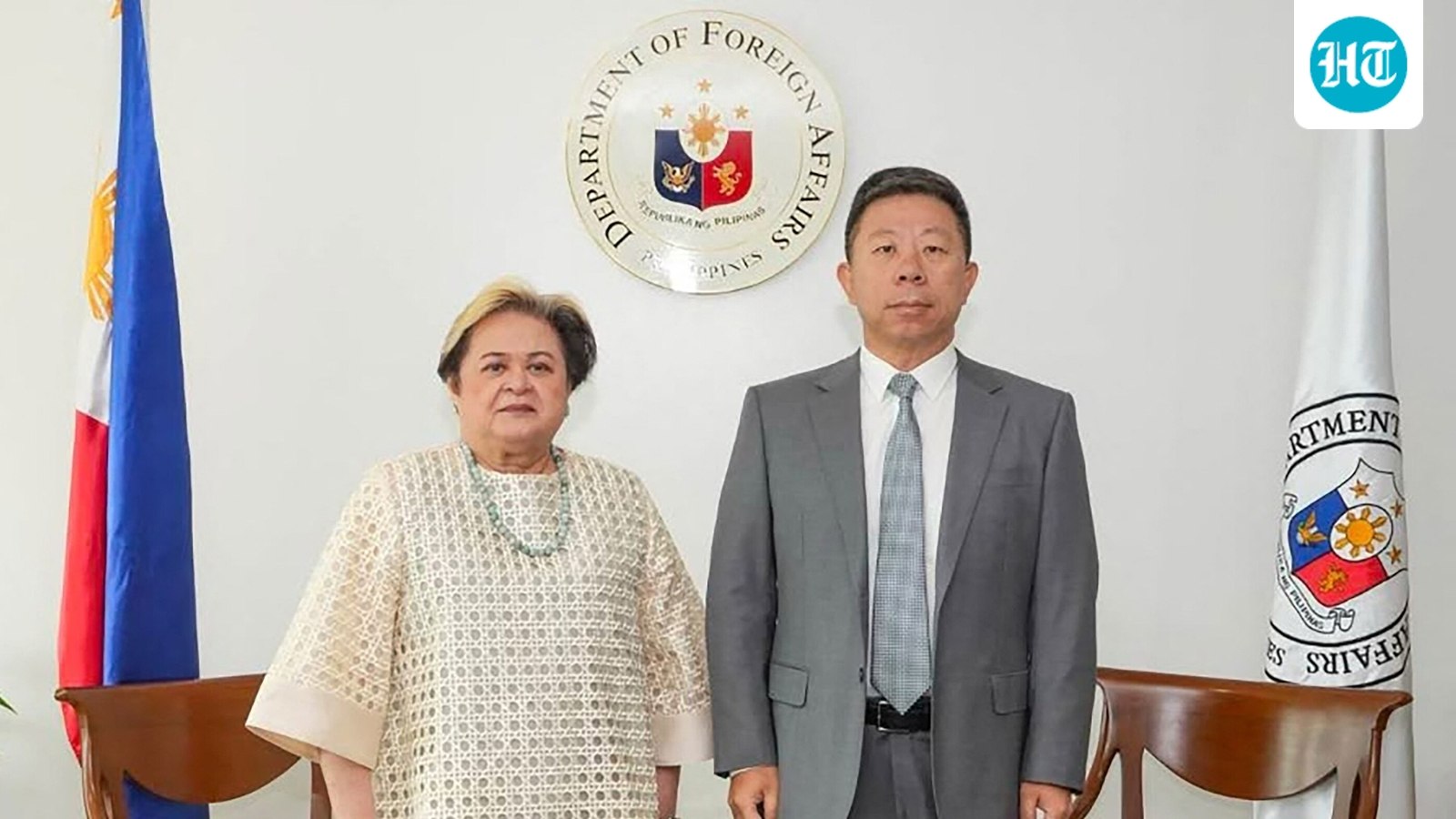
The Philippine Department of Foreign Affairs summoned Chinese Ambassador Jing Quan on Monday, lodging a severe diplomatic protest over statements by the envoy that Manila condemned as an overt threat of military force.
Philippine Foreign Secretary Ma. Theresa Lazaro directly summoned Jing to convey the government’s serious concern and strong objection. Lazaro characterized public comments delivered by the ambassador during an earlier press appearance as provocative and unacceptable, noting that such rhetoric severely undermines ongoing diplomatic efforts to maintain regional equilibrium.
Threats of Force in a Contested Corridor
The diplomatic rift erupted after Jing addressed reporters in response to statements made by the Philippine defense secretary, who had publicly labeled China a regional troublemaker. Rather than de-escalating the public exchange, the Chinese envoy openly referenced Beijing’s superior military capability in the event of an armed clash.
"China may easily win in a confrontation with the Philippines, but Beijing would not use force because we love peace."
Manila viewed the remarks not as an expression of restraint, but as a thinly veiled military threat aimed at intimidating a smaller neighboring state. The Department of Foreign Affairs underscored that referencing armed victory in a bilateral dispute damages fragile diplomatic work and injects direct instability into an already fraught security environment.
Spiraling Maritime Clashes and Sovereign Claims
The verbal escalation reflects deep-seated friction on the water. Diplomatic altercations between China and the Philippines—a formal treaty ally of the United States—have sharply intensified in recent years, centered on competing claims within the strategic South China Sea. Beijing continues to assert sweeping sovereignty over nearly the entirety of the waterway, frequently deploying coast guard vessels to assert authority over maritime corridors recognized internationally as part of Manila’s exclusive economic zone.
Philippine authorities have repeatedly reported aggressive maneuvers by Chinese maritime forces, accusing Beijing of interfering with legitimate Philippine patrol missions and resupply operations. In contrast, Beijing maintains that its maritime law enforcement measures are lawful responses to foreign vessels encroaching upon Chinese territory.
Erosion of Bilateral Dialogue
During Monday’s meeting, Lazaro stressed that public warnings of military force degrade the environment necessary for peaceful negotiation. She stated that such statements aggravate a delicate geopolitical atmosphere and directly undercut bilateral initiatives intended to build mutual understanding, confidence, and cooperation between the two capitals.
The foreign secretary insisted that contentious territorial and security disputes must be addressed exclusively through formal diplomatic mechanisms and established bilateral channels that leave room for dialogue, rather than through public rhetoric evoking armed conflict.
Beijing’s Position and Escalation Risks
The Chinese Embassy in Manila did not immediately respond to official inquiries regarding Jing’s summons on Monday. However, embassy representatives had previously attempted to downplay the controversy, arguing that media reports had selectively quoted the ambassador and over-interpreted his remarks.
Despite those diplomatic defenses, the incident marks a dangerous escalation in language between Beijing and Manila. With maritime confrontations growing increasingly frequent across the South China Sea, the introduction of explicit military posturing risks eroding diplomatic safeguards, elevating the stakes for both nations and intensifying fears of a wider geopolitical confrontation across the Indo-Pacific.
TL;DR
- Philippine foreign ministry summoned Chinese Ambassador Jing Quan over remarks implying military confrontation.
- Manila formally objected to Jing’s assertion that China could easily defeat the Philippines in a conflict.
- Foreign Secretary Ma. Theresa Lazaro condemned the comments as provocative and unacceptable.
- China’s embassy claimed the ambassador was selectively quoted following questions regarding defense disputes.
- Disputes continue escalating over coast guard confrontations inside the Philippines’ exclusive economic zone.