Three oil tankers exploded in the Strait of Hormuz on Tuesday, Iranian authorities said, and Tehran blamed the ships for trying to pass through an unauthorized route. The blasts came while the conflict between the United States and Iran is still unresolved, and the waterway is already one of the most tense places on the map for global shipping.
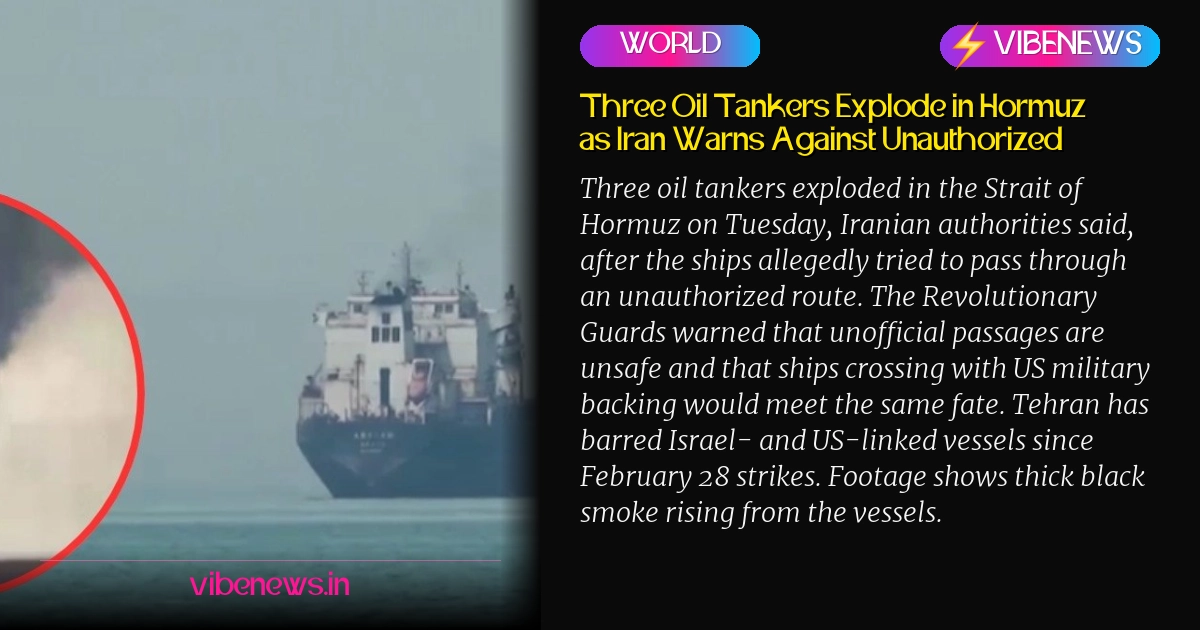
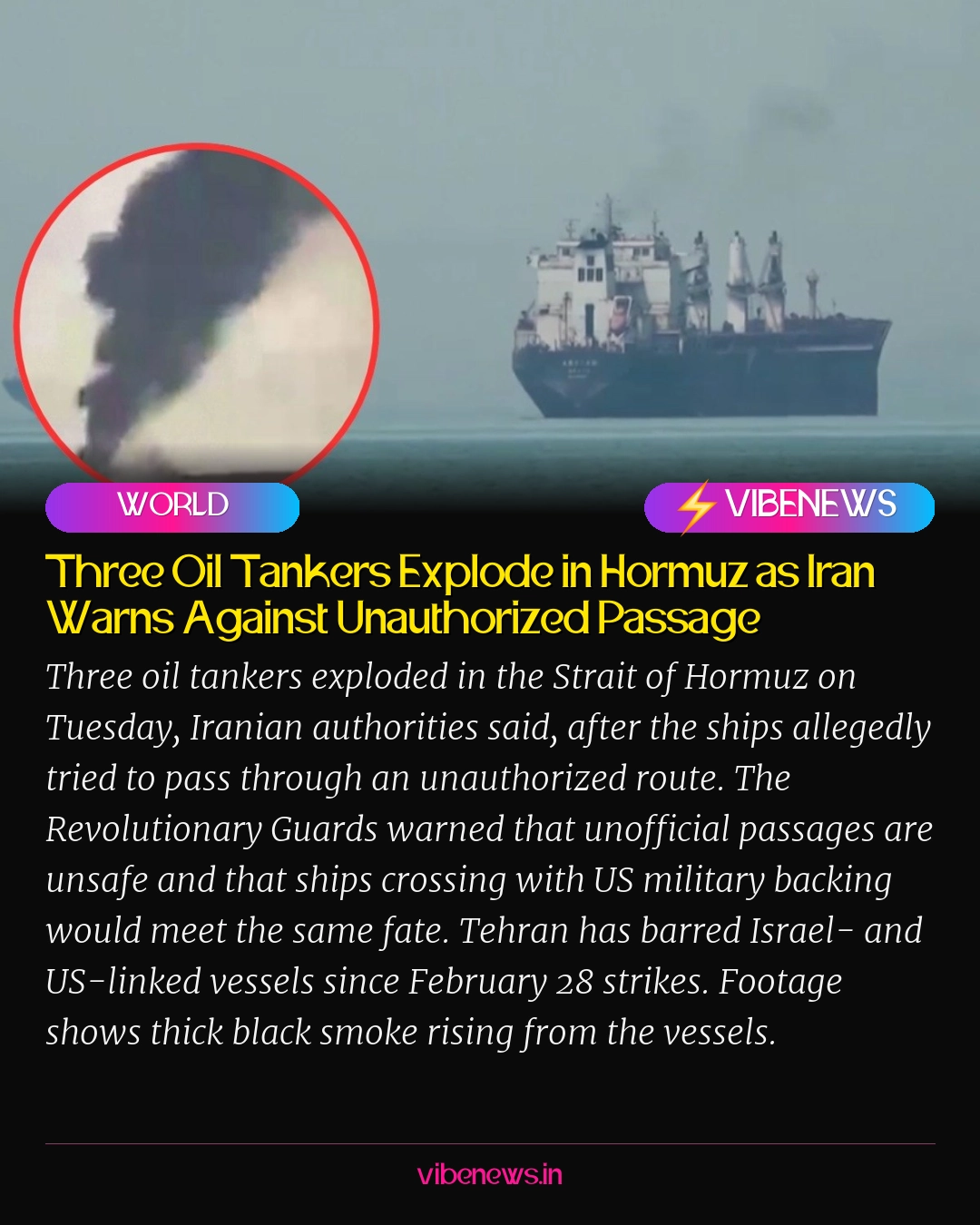
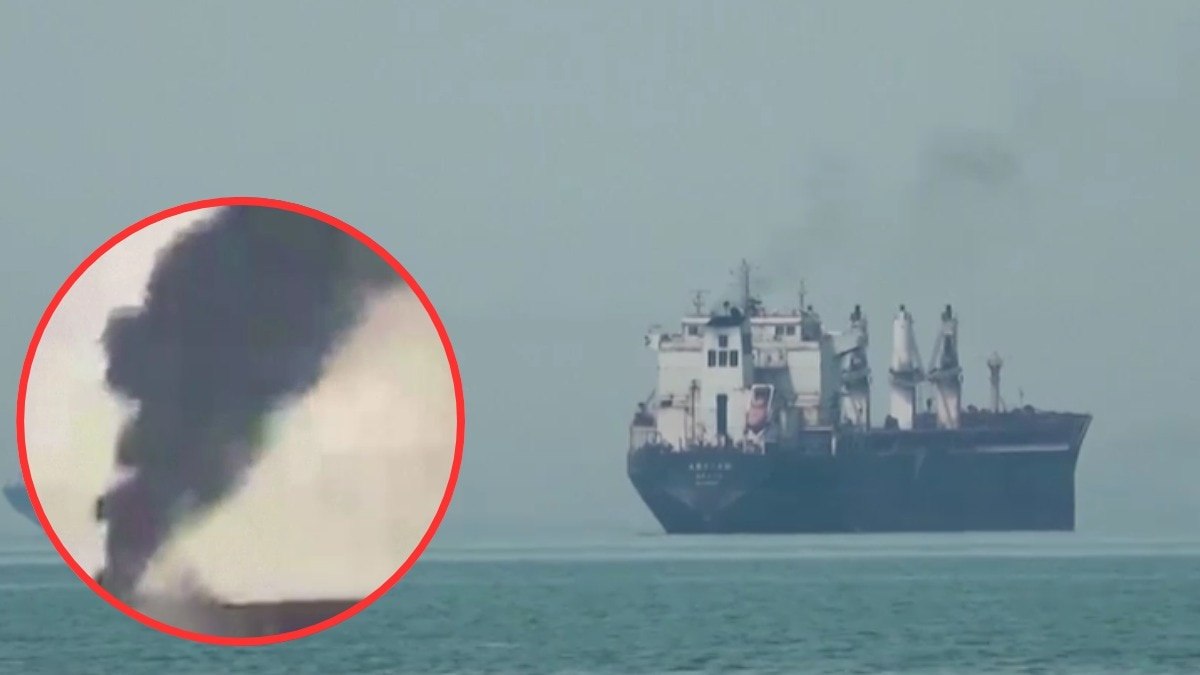
Video of the incident has circulated online. It shows thick black smoke rising from the vessels after the explosions. The footage matches the Iranian account of a burning tanker, but the reporting does not include independent confirmation of how each ship was damaged.
What Iran says happened
According to a statement issued at around 2 p.m. and carried by Sepah News, the news agency of the Islamic Revolutionary Guard Corps (IRGC), two of the tankers had shut down all their navigation and identification systems before attempting to cross the strait. One of them struck a naval mine and blew up.
The IRGC said the second tanker was trying to cross covertly with the support of aggressive US fighter jets. After an explosion, that vessel was engulfed in flames. Iran did not provide evidence in the reporting to show what the aircraft were doing or how they were involved.
A later statement from the Iranian navy, released around 8:30 p.m., added a third ship to the list. The navy said a third tanker also hit a sea mine on Tuesday afternoon while passing through the strait illegally. That brought the total number of tankers hit to three, all within the same day.
A warning aimed at every ship in the strait
The blasts were followed by a sharp warning. The IRGC said unauthorized routes through Hormuz are extremely dangerous, and it went further by describing any ship that tries to cross with American military help in harsh terms. The Guards labeled those vessels as terrorist-linked and said all such ships would meet the same fate.
The message was direct, and it was meant for more than the three vessels involved. It told shipping companies that the approved path is the only safe one, and that routes outside Iranian control carry a deadly risk.
The IRGC said that "terrorists" trying to pass through the strait with the help of the US military would face the same fate as the ships that were hit.
How the strait got here
The current standoff traces back to February 28, when the United States and Israel launched joint strikes on Iran. Since then, Tehran has tightened its grip on the Strait of Hormuz. Iran has stopped the safe passage of ships linked to Israel and the United States, a restriction that remains in force.
The Strait of Hormuz is a narrow passage that connects the Persian Gulf to the open sea. A large share of the world’s seaborne oil moves through it. When tankers are attacked or blocked there, the impact does not stay in one region. It reaches fuel supplies, shipping insurance and energy prices in countries far from the Gulf.
That is why the three explosions matter well beyond Iran and the United States. Any ship that is damaged or driven off the main route adds pressure to a system that has little room to absorb shocks. Energy security is the concern running underneath the headlines, and every new incident in the strait feeds it.
What comes next
The reporting leaves several questions open. It does not say who laid the mines that struck the tankers, and it does not confirm the identities or cargo of the ships. The account of US fighter jet support also comes from the Iranian side and has not been independently verified in the material available.
The coming days will show whether shipping companies keep sending vessels through the strait or steer clear of it altogether. They will also show whether Tehran’s warnings are followed by more explosions. For now, the message from Iran is clear, and the risk on the water is real.
TL;DR
- Three oil tankers exploded in the Strait of Hormuz on Tuesday, according to Iranian authorities.
- Iran says the ships tried to cross an unauthorized route with navigation systems switched off.
- One tanker struck a naval mine, while Iran says another burned after US-backed covert passage.
- A third tanker also hit a sea mine on Tuesday afternoon, the Iranian navy said.
- The IRGC warned that ships crossing with US military support would meet the same fate.
- Iran has barred Israel- and US-linked ships from safe passage since February 28 strikes.