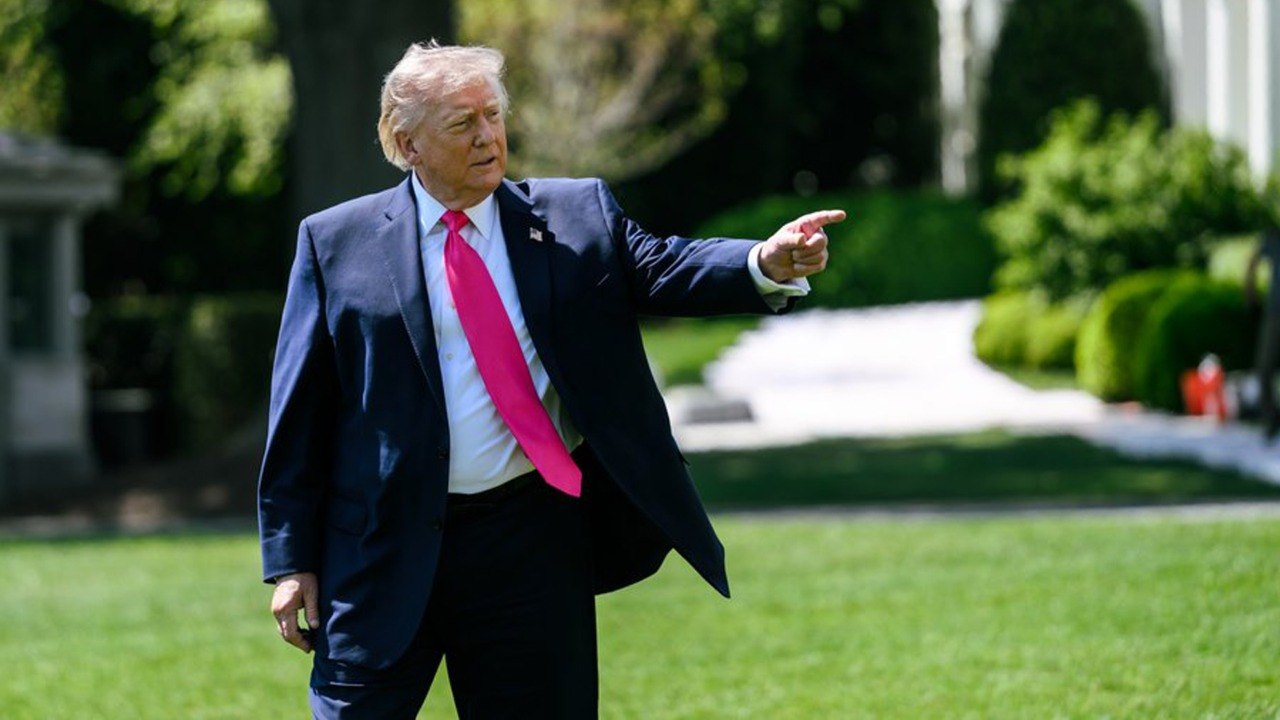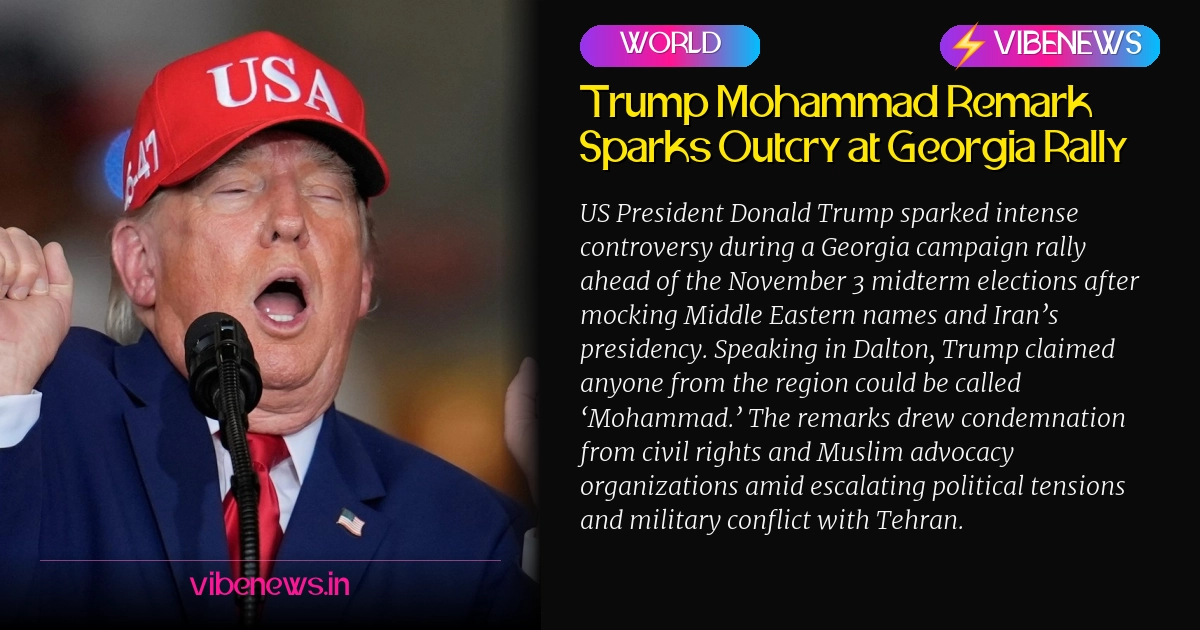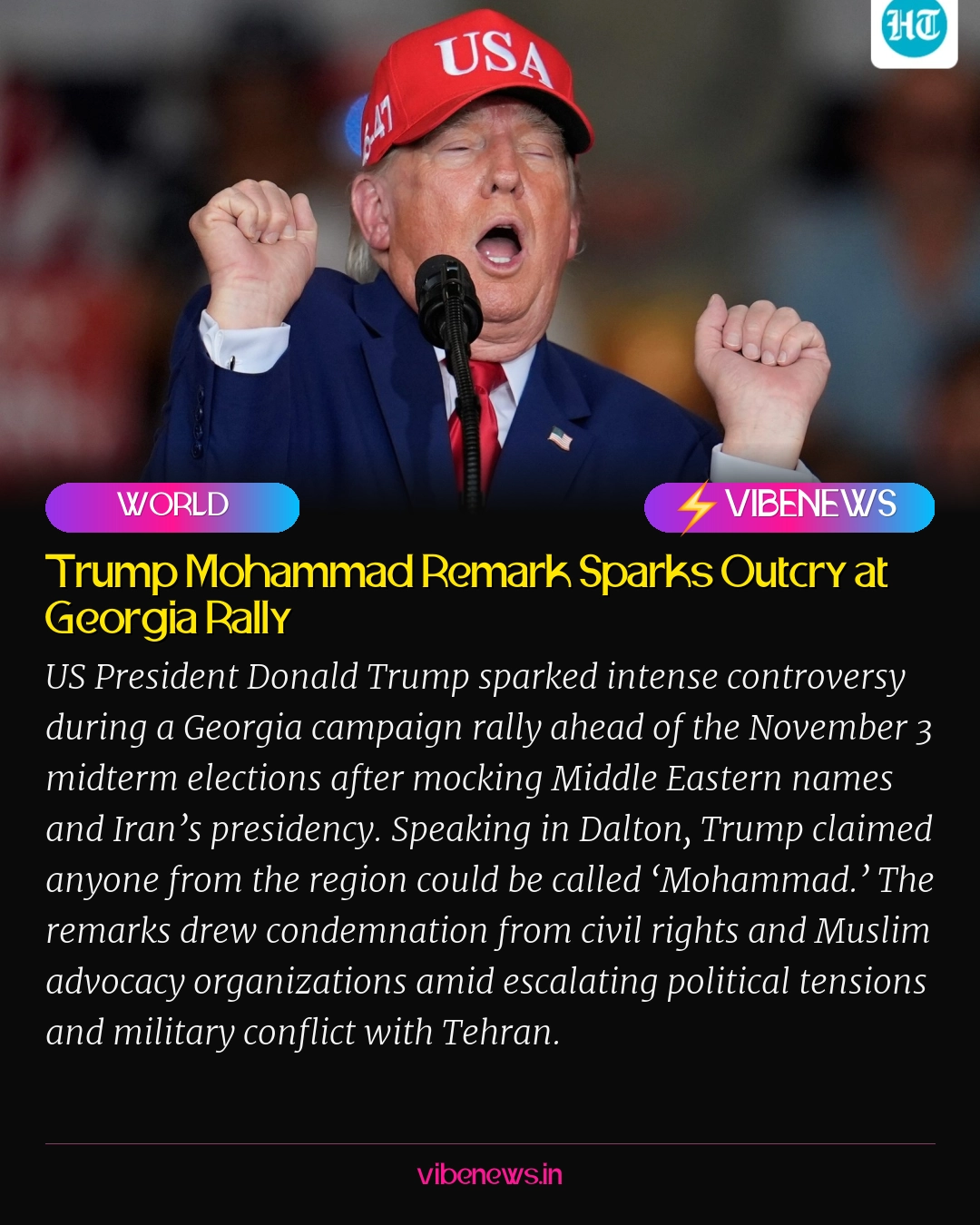
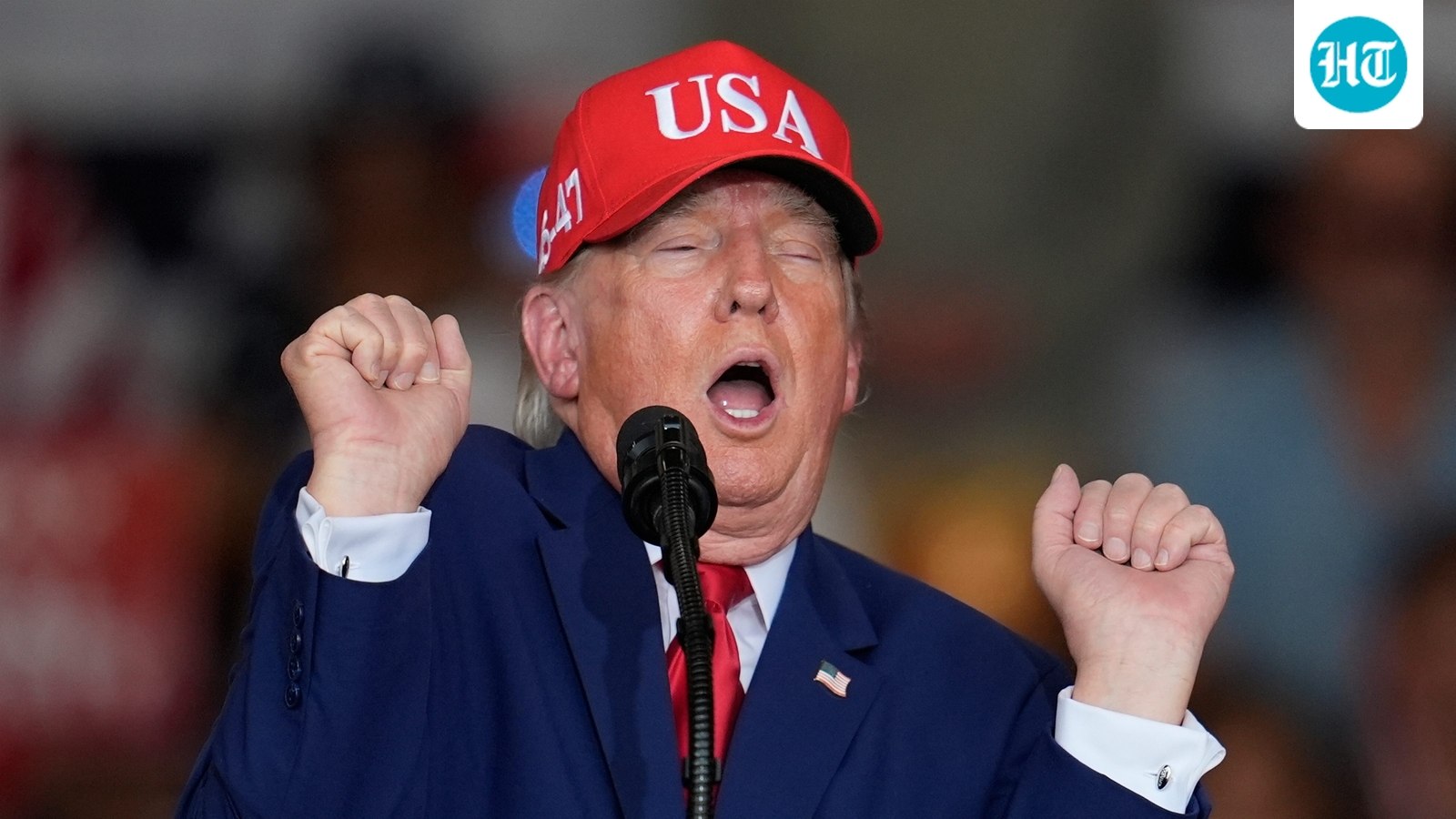
US President Donald Trump mocked Middle Eastern identities and Iran’s leadership during a midterm campaign speech inside an airport hangar in Dalton, Georgia, on Friday, telling voters that anyone uncertain of a Middle Eastern person’s name should simply call them ‘Mohammad.’
Addressing attendees at the Dalton Municipal Airport while campaigning for Republican candidates ahead of the November 3 midterm elections, Trump turned his speech toward foreign affairs and regional demographics. In a segment focused on Iran, he claimed that using the name Mohammad had served as an infallible assumption throughout his life, citing an arbitrary statistical likelihood before a crowd whose response remained visibly muted.
"You know, if you’re in doubt about somebody’s name from the Middle East, just say ‘Mohammad.’ You have about a 65% chance. ‘Hello, Mohammad.’ I’ve done it for years now. I’ve never been wrong."
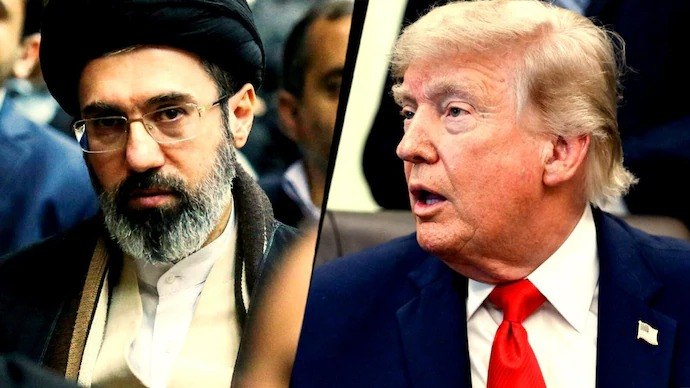
The name Mohammad remains among the most common male names across the Muslim world, frequently bestowed upon children in honor of the Prophet Mohammad, the founder of Islam. Trump utilized the naming convention as a comedic premise while belittling Iran’s state leadership, declaring that the country represents the only nation globally where nobody desires to hold the presidency. In an unscripted display on stage, Trump acted out a scenario where he pretended to solicit multiple individuals named Mohammad to inquire if they were interested in leading the Iranian state. Iran’s actual presidency has been held by Masoud Pezeshkian since 2024.
Civil Rights Condemnation and Escalating Political Attacks
The performance at Dalton Municipal Airport immediately drew intense condemnation from civil rights advocates and Muslim advocacy organizations. Critics emphasized that such rhetoric directly demeans and demonizes Muslims, immigrants, and ethnic minority populations within the United States. Observers pointed out that the remarks follow a broader pattern of heightened hostility throughout the midterm cycle.
Trump has increasingly directed aggressive campaign messaging toward prominent Muslim and Somali American political figures. Among those targeted are Abdul El-Sayed, a Muslim Democratic candidate running for the US Senate, and Representative Ilhan Omar, a Minnesota Democrat who originally arrived in the United States as a Somali refugee. Rights organizations argue that spotlighting minority candidates with targeted vitriol serves to normalize prejudice across the domestic political landscape.
Rhetoric Amid Active War and Rising Anti-Muslim Incidents
The geopolitical context surrounding Trump’s speech underscores the volatile backdrop of his remarks. During the same Georgia address, Trump reiterated his staunch commitment that Iran will never be permitted to develop a nuclear weapon. That declaration follows a profound military escalation that occurred seven months prior, when the United States and Israel initiated a joint war against Tehran explicitly structured to neutralize and dismantle the Iranian nuclear apparatus.
The compounding impact of this rhetoric has been documented by national advocacy monitors. An annual assessment published earlier this year by the Council on American Islamic Relations linked an accelerating wave of Islamophobia in the United States directly to executive actions taken during Trump’s second term. The civil rights group found that federal crackdowns on immigration, coupled with aggressive interventions against nationwide pro-Palestinian demonstrations, have fueled an increasingly hostile environment for Muslim communities across the country.
TL;DR
- US President Donald Trump ridiculed Middle Eastern names during a campaign rally at Dalton Municipal Airport in Georgia.
- Trump claimed there is a 65 percent chance anyone from the Middle East is named Mohammad while mocking Iran’s leadership.
- The Georgia airport crowd responded to the former president’s jokes with a muted reaction.
- Muslim advocacy organizations condemned the remarks as part of a rising wave of demonization against religious minorities.
- The statements follow an escalation in midterm campaign attacks targeting figures like Representative Ilhan Omar and Abdul El-Sayed.
- The controversy unfolds seven months after the United States and Israel launched a military campaign targeting Tehran.