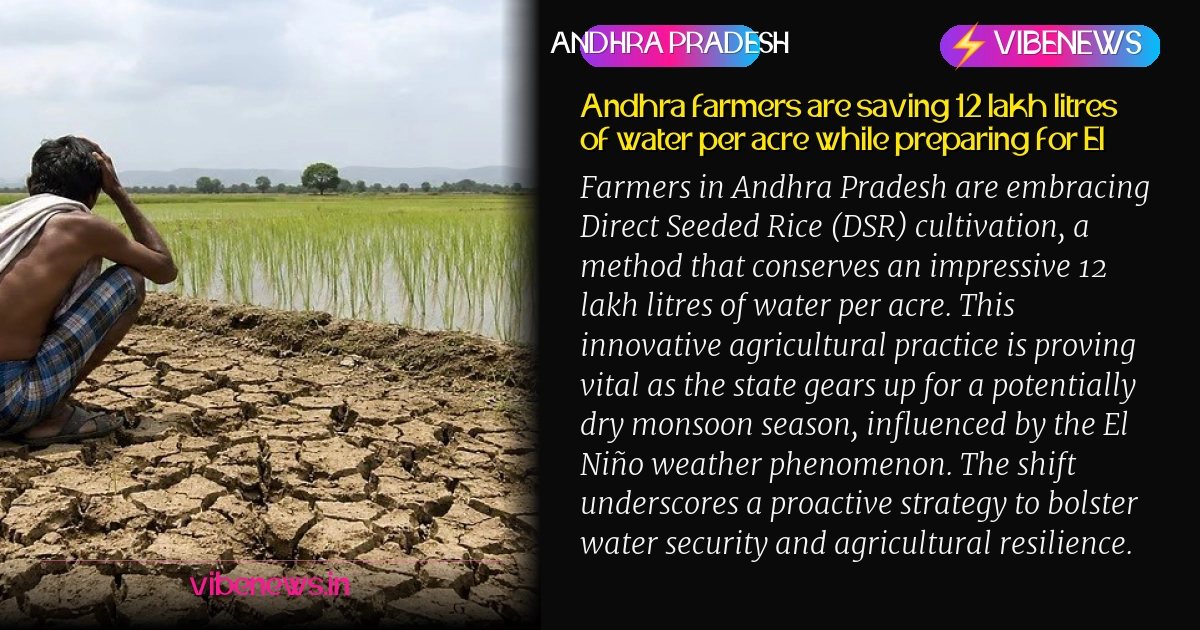
Andhra Pradesh farmers are making significant strides in water conservation, adopting an innovative cultivation method for paddy that saves an impressive 12 lakh litres of water per acre. This strategic shift to Direct Seeded Rice (DSR) comes as the region prepares for a potentially challenging monsoon season, anticipated to be impacted by the El Niño weather pattern. The move highlights a proactive approach to mitigate water scarcity risks and ensure agricultural sustainability across the state.
The traditional method of paddy cultivation, which involves transplanting seedlings from a nursery into continuously flooded fields, is notoriously water-intensive. In stark contrast, DSR eliminates the need for a nursery and the subsequent transplantation process, allowing seeds to be sown directly into the main field. This fundamental change drastically reduces the water requirement, with estimates pointing to a saving of approximately 1.2 million litres of water for every acre cultivated using the DSR technique.
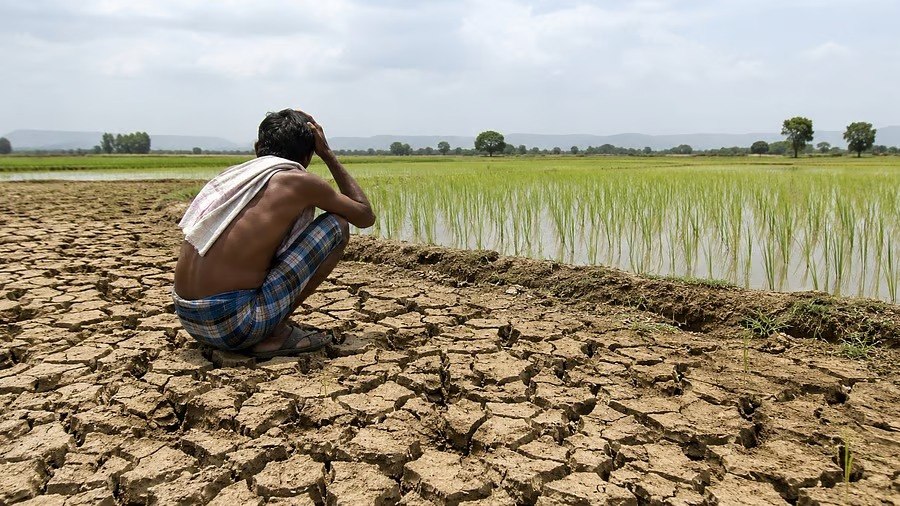
El Niño, a climate pattern characterized by the warming of ocean surface temperatures in the central and eastern tropical Pacific Ocean, often leads to reduced monsoon rainfall in India. Forecasters have indicated a high probability of an El Niño event impacting the upcoming monsoon, prompting farmers and agricultural experts to seek resilient farming solutions. DSR emerges as a crucial adaptation strategy, offering a practical way to manage water resources more efficiently when rainfall is expected to be deficient.
By bypassing the need for a nursery, DSR cultivation not only saves water but also reduces labour costs and the time involved in preparing fields. Farmers typically spend considerable effort and water in maintaining flooded nurseries for young paddy plants before they are transplanted. With DSR, seeds are sown directly into a prepared, non-puddled field, which then requires less frequent irrigation compared to the continuous flooding necessary for transplanted paddy.
This method also helps in improving soil health by reducing soil disturbance and preventing the formation of hardpans often associated with continuous puddling. Healthier soil can lead to better nutrient absorption and overall plant vigour, contributing to stable yields even under challenging conditions. The reduced waterlogging also minimizes methane emissions, a potent greenhouse gas, offering an environmental benefit beyond just water saving.
The adoption of DSR is not merely a technical change; it represents a broader shift in agricultural mindset towards climate-resilient farming. Farmers are increasingly aware of the unpredictable nature of monsoons and the long-term implications of water scarcity. Embracing techniques like DSR allows them to maintain productivity while conserving a vital natural resource.
For a state like Andhra Pradesh, where agriculture is a cornerstone of the economy and a primary source of livelihood for millions, ensuring water security for paddy cultivation is paramount. Paddy is a staple crop, and any disruption to its production can have significant socio-economic consequences. The widespread adoption of DSR could therefore play a critical role in safeguarding food security and rural incomes.
Agricultural scientists and extension workers are actively promoting DSR through awareness campaigns and training programs, demonstrating its benefits and guiding farmers on best practices. The success stories from early adopters are encouraging more farmers to transition from traditional methods, building a collective resilience against future climatic shocks. This collaborative effort between farmers and agricultural institutions is essential for scaling up sustainable practices.
As the monsoon season approaches, the focus remains on maximizing the adoption of water-saving techniques like DSR. The proactive measures taken by Andhra Pradesh farmers in preparing for an El Niño-hit monsoon through efficient water management practices will be closely watched. Their success could provide a valuable blueprint for other regions facing similar climatic challenges, underscoring the power of innovation in sustainable agriculture.
TL;DR
- Andhra Pradesh farmers are adopting Direct Seeded Rice (DSR) to save 12 lakh litres of water per acre.
- This water-saving method is crucial for preparing against a potentially dry monsoon influenced by El Niño.
- DSR eliminates the need for a nursery and transplantation, allowing seeds to be sown directly into the field.
- The traditional paddy cultivation method is highly water-intensive, requiring continuous flooding.
- DSR reduces labour costs, time, and improves soil health by minimizing puddling and waterlogging.
- The shift to DSR represents a proactive approach to climate-resilient farming and water security.
- This innovation is vital for safeguarding food security and rural incomes in the agriculture-dependent state.
- Agricultural scientists and extension workers are promoting DSR through awareness and training programs.