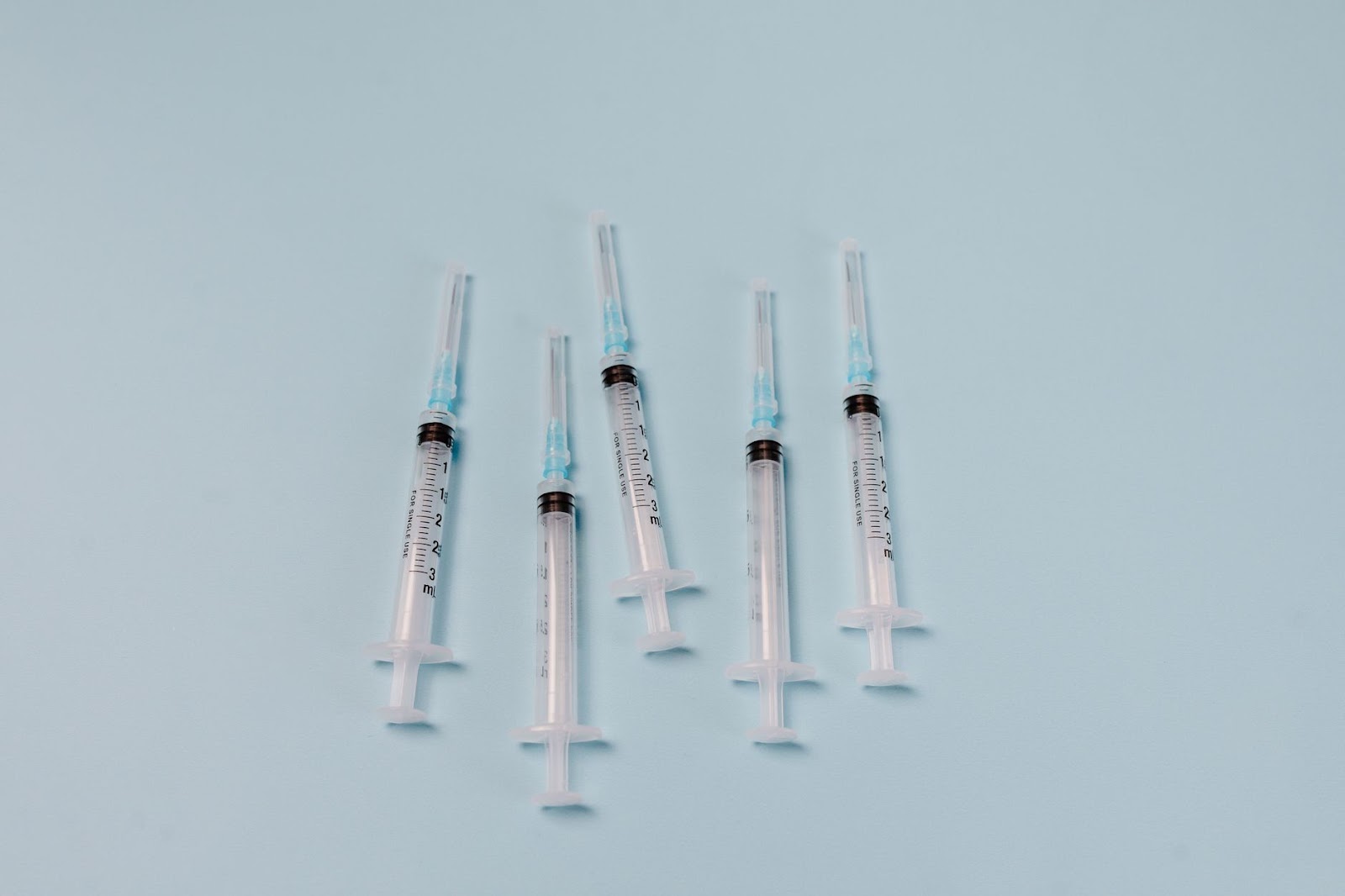
Bharat Biotech International is cutting the price of its malaria vaccine Mosqivac by about 40 per cent, bringing the cost down to € 5.50 per dose from € 9.30. The company made the announcement under an agreement executed by UNICEF and financially backed by Gavi, the Vaccine Alliance. The lower price is expected to take effect by early 2027.
The cut is more than a headline number. Bharat Biotech says the reduction will generate around $50 million in savings for child immunisation programmes between 2027 and 2029. It will also reach up to one million more children with the full four-dose course. For health systems that have to decide where every dose goes, that kind of money turns into shots in arms.
How the price came down
The agreement is enabled through an advance payment by the International Finance Facility for Immunisation, known as IFFIm. Bharat Biotech described the deal as an agreement for equitable pricing. The company said the lower price reflects sustained efforts to shape a more sustainable and competitive malaria vaccine market.
That framing matters. A vaccine market only becomes competitive when buyers can plan years ahead and suppliers can invest with confidence. This agreement gives both sides a clearer price path, starting with the early 2027 effective date.
A vaccine with a track record
RTS,S/AS01 was developed by GSK, PATH and partners. Bharat Biotech manufactures it under the Mosqivac brand. The World Health Organization became the first to recommend it, in 2021, making it the first malaria vaccine to earn that endorsement.
Since that recommendation, GSK and Bharat Biotech have invested $200 million in new, higher-output manufacturing facilities, product development and technology transfer. The goal was to expand and strengthen supply at a lower cost. Today’s price cut is the payoff of that investment reaching the people who need it.
Demand has outrun the forecasts
Demand for malaria vaccines has exceeded initial forecasts since rollout began in 2024. To date, more than 74 million doses have been procured and delivered by UNICEF. The Gavi-funded malaria programme is now part of routine immunisation in 25 African countries. Those countries bear more than 70 per cent of the global malaria burden.
The numbers show why cheaper doses matter. When demand grows faster than predicted, every dollar saved stretches further. A lower price means more children can finish the course, not just start it.
The protection itself is strong. A full immunisation course of four doses of RTS,S/AS01 reduces malaria cases by about 75 per cent when given seasonally in areas of high seasonal transmission. Cheaper access to a shot with that record is the kind of result public health teams have been pushing for.
What the partners are saying
Bharat Biotech Executive Chairman Krishna Ella called the Gavi-UNICEF deal a far-reaching commitment to expand malaria vaccination. He said the company has invested heavily to expand supply, strengthen manufacturing and support sustainable, affordable access to malaria vaccines.
GSK’s Chief Global Health Officer, Harmony P. Garges, struck a similar note. She pointed to the pressure on global health budgets and argued that cooperation is the way forward.
“At a time when global health resources are under increasing pressure – both for international organisations and for countries – partnership matters more than ever. This deal with Gavi–UNICEF further demonstrates how close collaboration across the global health landscape can help deliver real impact for children most at risk of malaria.”
— Harmony P. Garges, Chief Global Health Officer, GSK
That message sets the tone for what comes next. Multiple organisations, a manufacturer, a financing mechanism and a global procurement agency all had to line up for this price to move. The result is a clear win for children in malaria-affected regions, and a model other global health deals will be measured against.
For millions of families in high-transmission areas, the next few years will show whether lower prices translate into full courses delivered on schedule. The agreement has set the price. The rollout will decide the impact.
TL;DR
- Bharat Biotech is cutting the price of its malaria vaccine Mosqivac by about 40% under a Gavi-backed UNICEF deal.
- The new price is € 5.50 per dose, down from € 9.30, and is expected to take effect by early 2027.
- The reduction is projected to generate around $50 million in savings for child immunisation programmes between 2027 and 2029.
- The cheaper price could reach up to one million more children with the full four-dose course.
- Demand has exceeded initial forecasts since rollout began in 2024, with over 74 million doses procured by UNICEF.
- A full four-dose course reduces malaria cases by about 75% in areas of high seasonal transmission.