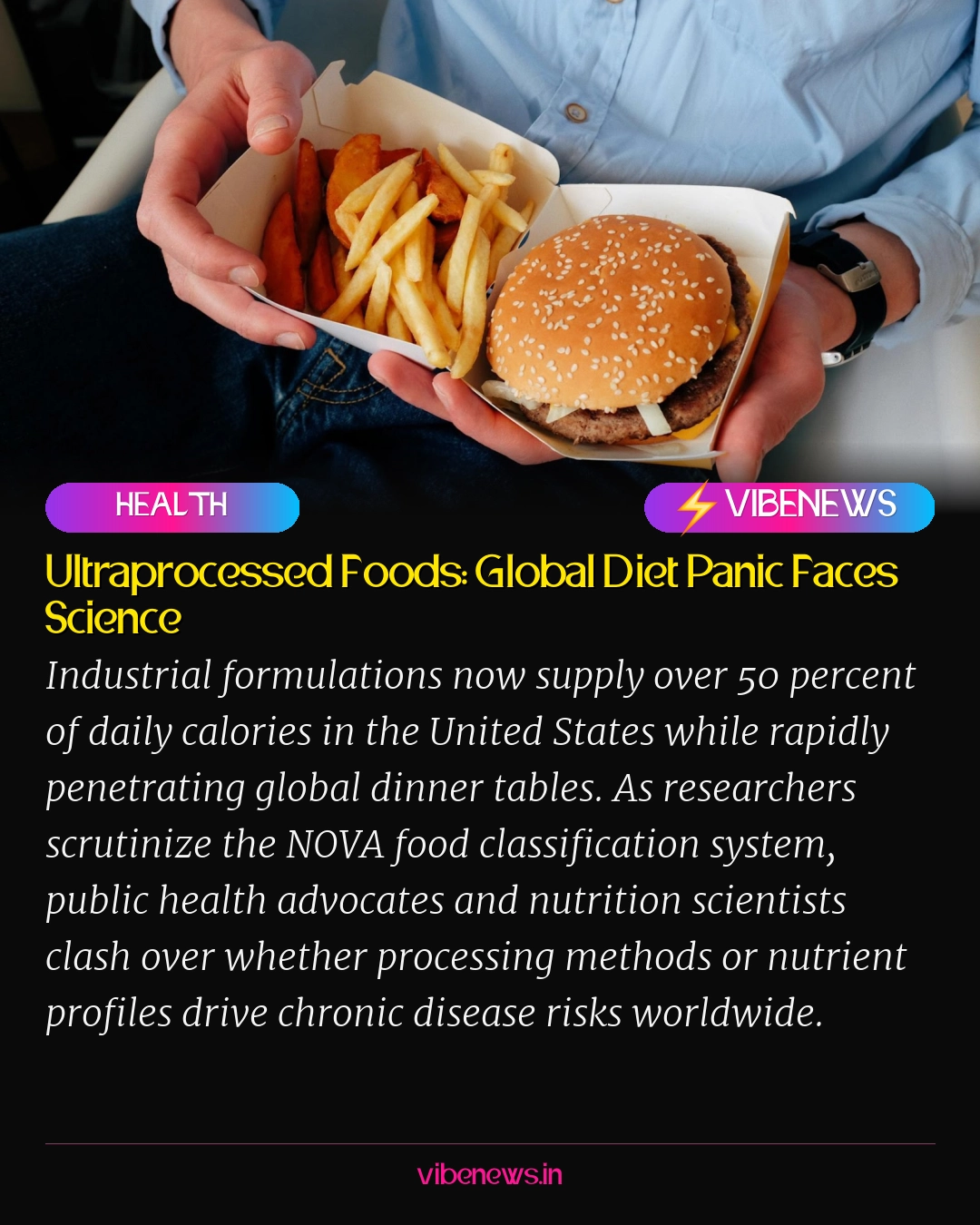
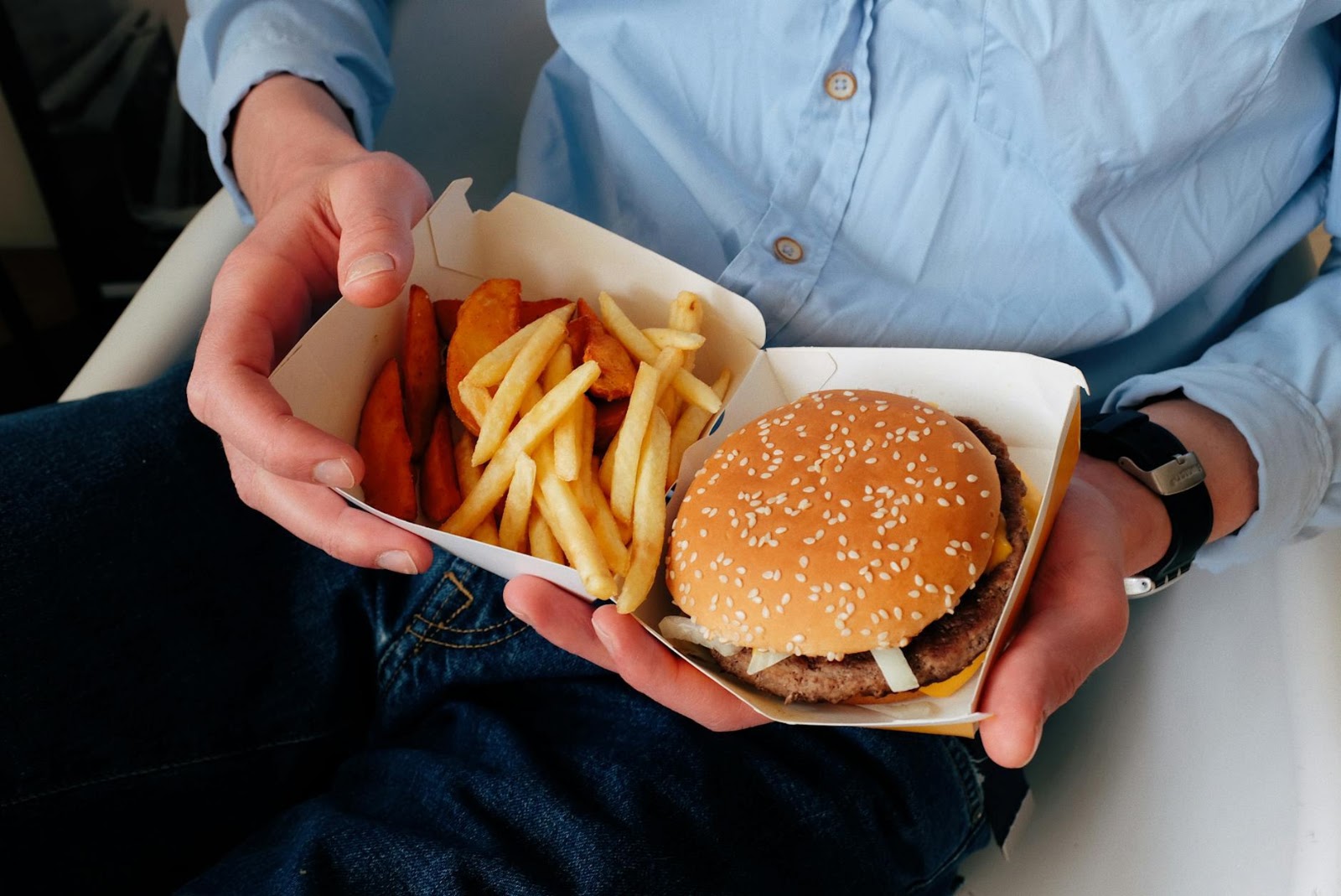
GLASSBORO — Mass-produced industrial formulations now account for more than 50 percent of total caloric intake in the United States, triggering an escalating international policy battle over the classification and regulation of modern diets. As consumption surges across both Western economies and low-to-middle-income nations, researchers and health authorities remain sharply divided over whether the physical processing of food or its basic nutrient profile drives chronic health conditions.
The Anatomy of Modern Industrial Formulations
For more than two million years, human beings have altered raw food ingredients through cooking, later mastering traditional techniques such as drying, pressing, baking, and fermenting. The mid-18th century industrial era transformed this relationship by introducing mechanical canning, refrigeration, and pasteurization. These developments allowed regional agriculture to scale outward, shifting society away from exclusively hyper-local consumption toward secure and long-lasting commercial food supplies.
By the turn of the 21st century, food manufacturing evolved to incorporate chemical formulation, synthetic additives, and commercial cosmetic agents designed to optimize shelf stability and consumer appeal. In 2009, Brazilian epidemiologist Carlos Monteiro introduced the four-tier NOVA classification system to quantify this technological shift, formally designating industrially manufactured items that cannot be prepared in a domestic kitchen as Category 4 ultraprocessed foods.
"Eat food. Not too much. Mostly plants."
The NOVA architecture defines ultraprocessed foods as hyperpalatable, profitable items constructed by isolating whole food fractions, synthesizing nutrients, and adding specialized texturizers or colorants. These commercial products were systematically designed to displace traditional dietary patterns, prompting food writers and consumer advocates to challenge their biological suitability.
Mixed Signals in Nutritional Research
Epidemiological surveys routinely link elevated consumption of Category 4 industrial products with higher incidences of premature mortality, cardiovascular complications, and metabolic disorders. However, clinical and observational evaluations demonstrate that health impacts differ dramatically across individual product categories rather than following a uniform pattern.
Substantial empirical evidence correlates sugar-sweetened beverages and processed deli meats with elevated rates of cardiovascular disease and stroke. In contrast, observational cohorts consuming ultraprocessed staples such as whole-grain commercial breads, yogurts, and breakfast cereals frequently record lower rates of these exact health complications. Packaged sauces, prepared condiments, and frozen entrees regularly display no statistically significant correlation with adverse clinical outcomes.
The Challenge of Experimental Verification
Direct causal data regarding industrial food diets remains scarce across global scientific literature. While one landmark controlled feeding trial demonstrated that subjects assigned to an ultraprocessed diet consumed higher caloric volumes and experienced rapid weight gain over a two-week period, parallel trials have failed to replicate uniform metabolic shifts. Nutrition researchers emphasize that brief clinical interventions lasting merely a few weeks cannot definitively establish lifetime chronic disease causality.
Methodological critics also highlight the subjective boundaries embedded within current classification frameworks. An artisanal cake baked at home using whole pantry staples sits within NOVA Category 3 as a conventional processed food. The identical recipe prepared on a commercial assembly line with added preservatives automatically shifts into Category 4, despite possessing a parallel nutritional breakdown.
Policy Division and Public Health Consequences
Advocates for urgent statutory intervention argue that multinational conglomerates dominate the food environment with aggressive marketing campaigns that compromise public health, local food traditions, and ecological balances. Proponents of strict guidelines demand targeted fiscal measures, clear package labeling, and advertising restrictions to curb market dominance.
Conversely, skeptical nutrition scientists express concern that sweeping anti-processing campaigns incite unwarranted consumer panic, fuel disordered eating patterns, and stigmatize vital commercial staples. Infant formulas and specialized clinical formulations rely inherently on ultraprocessing, while budget-conscious households regularly depend on the accessible pricing and shelf life of mass-manufactured nutrition. The scientific consensus acknowledges that global food systems require structural improvement, yet the debate persists over whether statutory frameworks should target manufacturing methods or focus on excessive salt, refined sugar, and saturated fat.
TL;DR
- Over 50 percent of American dietary calories currently come from industrially formulated ultraprocessed foods.
- Epidemiologist Carlos Monteiro established the NOVA system in 2009, separating foods into four processing tiers.
- Sugar-sweetened beverages and processed meats correlate with disease, while commercial breads and yogurts often do not.
- Nutritionists warn that strict processing bans risk stigmatizing necessary essentials like infant formula and affordable staples.
- Public health researchers remain split between regulating industrial manufacturing methods versus focusing on traditional nutrients.