Potassium is the mineral that keeps muscles firing during workouts, and daily exercisers may not be getting enough of it. According to a health report published by NTNews on October 24, 2026, food is a central part of fitness, not an afterthought. Regular training depends on the right nutrition to help muscles work, keep fluids balanced and support recovery after exercise.
The report describes potassium as an electrolyte. It helps muscles contract, lets nerve signals travel and keeps fluid levels in balance. When you lift weights, run, cycle or do bodyweight training, your muscles contract again and again to produce energy, and potassium is part of that process.
Sweat is where things get tricky. The body loses some potassium through sweat, but the amount depends on how hard you train, how long the session lasts, the temperature around you and how much you personally sweat. During activity, potassium also moves from muscle cells into the bloodstream. The kidneys and other body control systems usually work to keep levels steady.
Why daily exercisers should pay attention
Most people can meet their potassium needs through a balanced diet that includes potassium-rich foods. The report says special nutritional supplements are usually not required for this.
Potassium alone will not build muscle, guarantee better performance or prevent every cramp.
What low potassium does to muscles
When blood potassium drops significantly, the condition is called hypokalemia. It can cause muscle weakness and muscle cramps. In severe cases, it can trigger a dangerous imbalance in heart rhythm.
Cramps alone do not prove a potassium shortage, though. The report notes that fatigue and many other factors can trigger them. Taking more potassium does not guarantee the cramps will disappear.
Foods that bring potassium to the plate
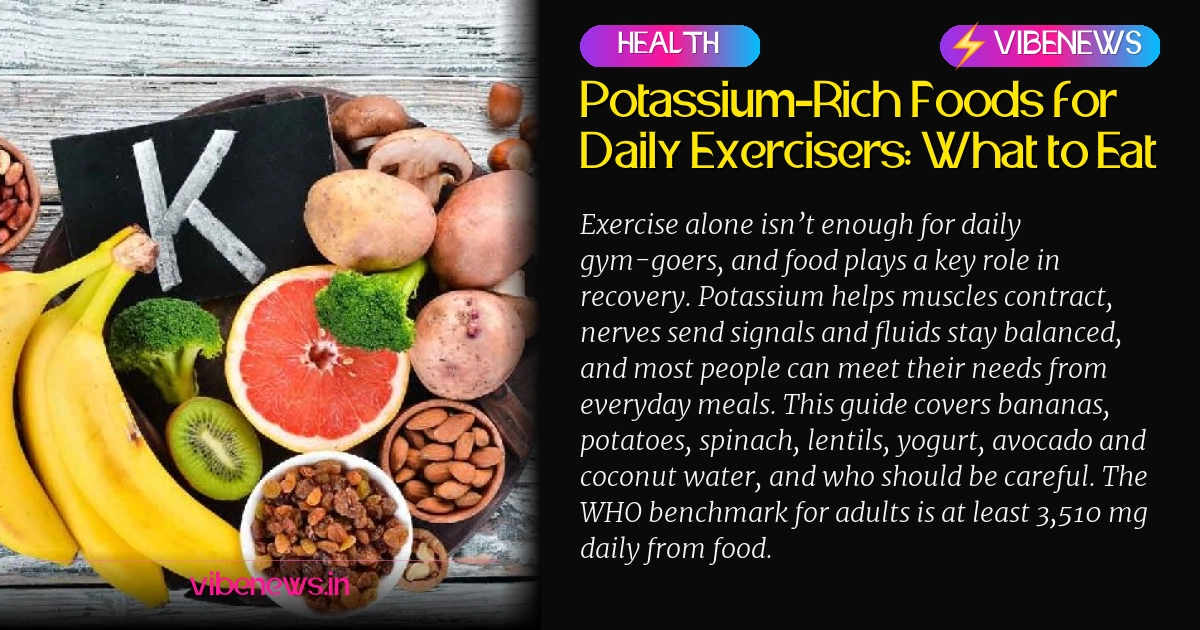
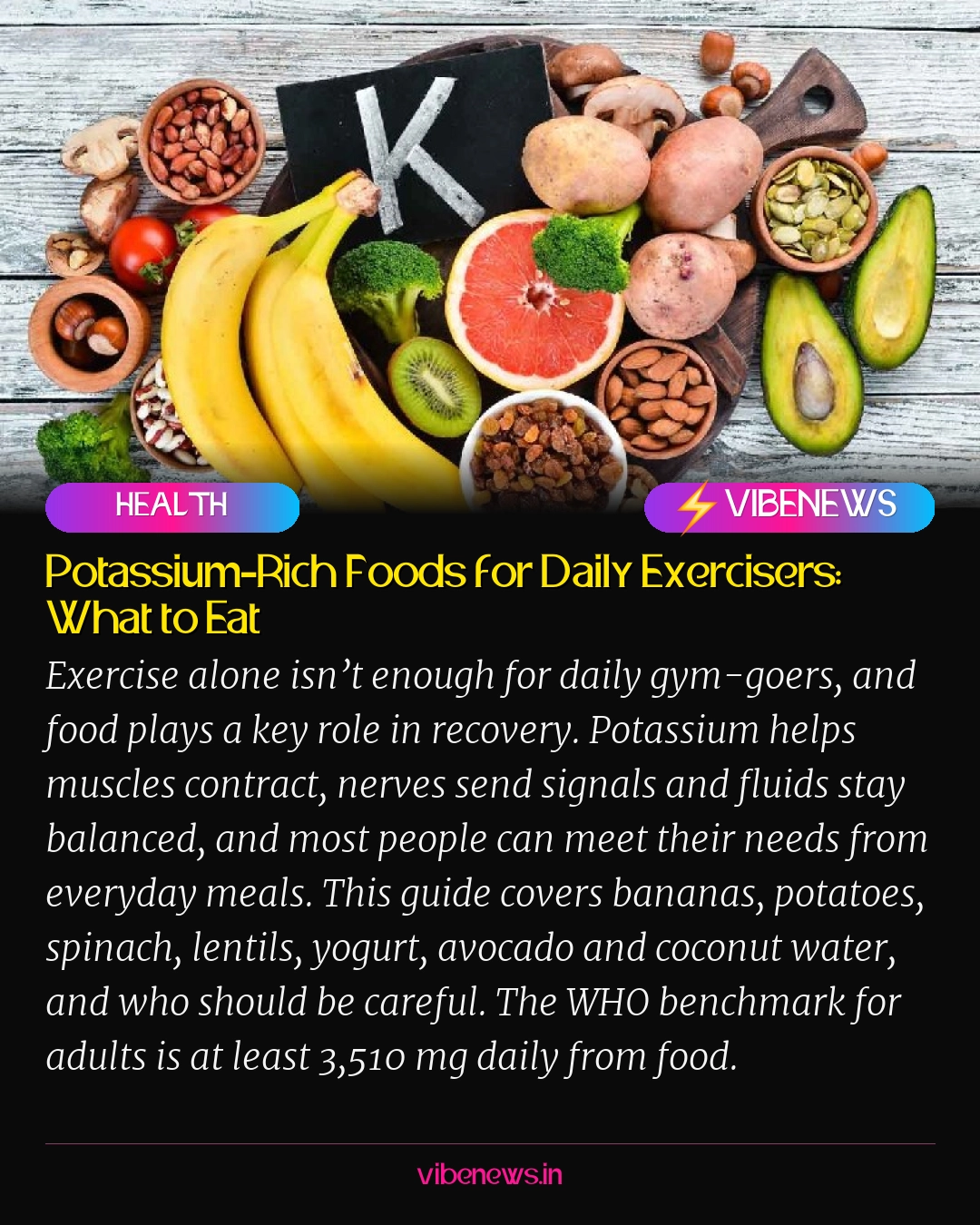
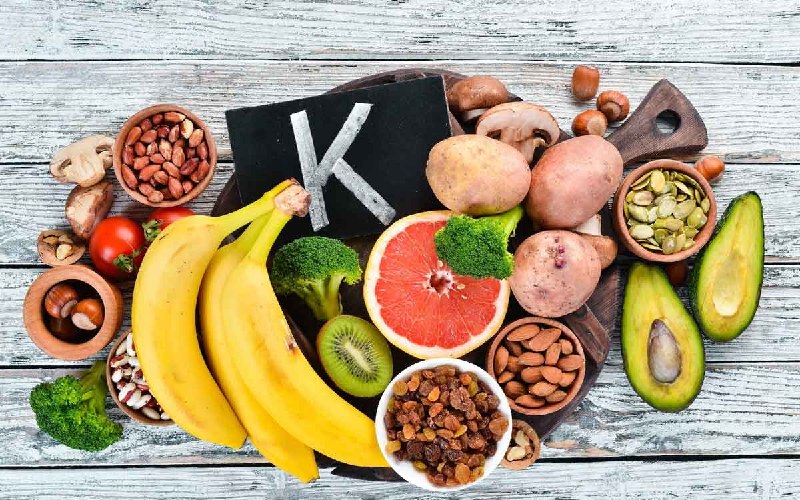
Bananas are a simple option because they provide both potassium and carbohydrates. Carbs supply energy, while potassium supports normal muscle and nerve function. The report says a banana suits anyone who wants easily digestible energy before exercise.
Potatoes are rich in potassium too, especially when eaten with the skin. Their carbohydrates fuel exercise and help refill glycogen, the energy stored in muscles, after a workout. Boiled or baked potatoes can be paired with eggs, fish, chicken or pulses.
Spinach offers potassium along with folate, vitamin K and other micronutrients. It can go into dal, curries, soups or omelettes. The report adds that regular leafy greens widen the range of nutrients in your diet, but one vegetable alone will not improve exercise capacity.
Pulses matter for plant-based eaters. Toor dal, urad dal, rajma and chickpeas provide potassium, plant protein, fibre and carbohydrates. The report says they help vegetarians get nutrients for muscle recovery and can help meet total protein needs.
Yogurt adds potassium, protein and calcium. Plain yogurt paired with fruit, oats or nuts can work as a post-workout meal or breakfast. Avocado brings potassium, fibre and unsaturated fats, and fits well into salads and sandwiches. The report says its portion should match your personal energy needs.
Coconut water versus sports drinks
Coconut water contains both potassium and water, which makes it a useful option for refilling fluids after exercise. Its electrolyte content varies, and it generally contains less sodium than specialised sports drinks.
For low or moderate workouts, plain water is usually enough. After long, intense sessions that cause heavy fluid loss through sweat, a drink or food that also replaces sodium becomes necessary.
Who should be careful
People with kidney disease or other conditions that affect potassium control may find it hard to regulate their levels. Some blood pressure medicines, along with diuretics that stop potassium from leaving the body, can raise the risk of high blood potassium. These people should only take potassium under medical guidance.
When cramps need a doctor
Frequent or severe cramps, muscle weakness or heart palpitations are reasons to see a doctor. The report also suggests reviewing training intensity, rest, water intake and overall eating habits when cramps keep returning.
The World Health Organization advises adults to get at least 3,510 milligrams of potassium daily from food. The report says most healthy adults can reach that target by eating a varied diet. Relying on supplements without a doctor’s advice is a poorer choice than eating well.
Potassium is essential for muscles, but it is only one piece of a bigger plan. Protein, enough carbohydrates, proper fluid intake, gradual training progression and rest all matter. Heavy sweaters and people who train for long periods should focus on total fluids and electrolytes, not potassium alone.
TL;DR
- Potassium acts as an electrolyte that helps muscles contract and nerves send signals.
- Most people can meet their potassium needs through balanced meals without supplements.
- Sweat losses depend on workout intensity, duration, heat and how much a person sweats.
- Low potassium can cause weakness and cramps, but cramps have many other possible causes.
- Bananas, potatoes, spinach, lentils, yogurt, avocado and coconut water are key potassium foods.
- The WHO advises adults to get at least 3,510 mg of potassium daily from food.