The Delhi High Court has delivered a significant verdict, asserting that sleeping on a pavement does not contribute to negligence in the event of a road accident. This ruling marks a crucial moment for victim compensation, overturning a Motor Accidents Claims Tribunal (MACT) decision that had halved payouts to families of the deceased and injured. Justice Anish Dayal emphasized that a driver’s responsibility remains paramount, particularly in areas designated for pedestrians.
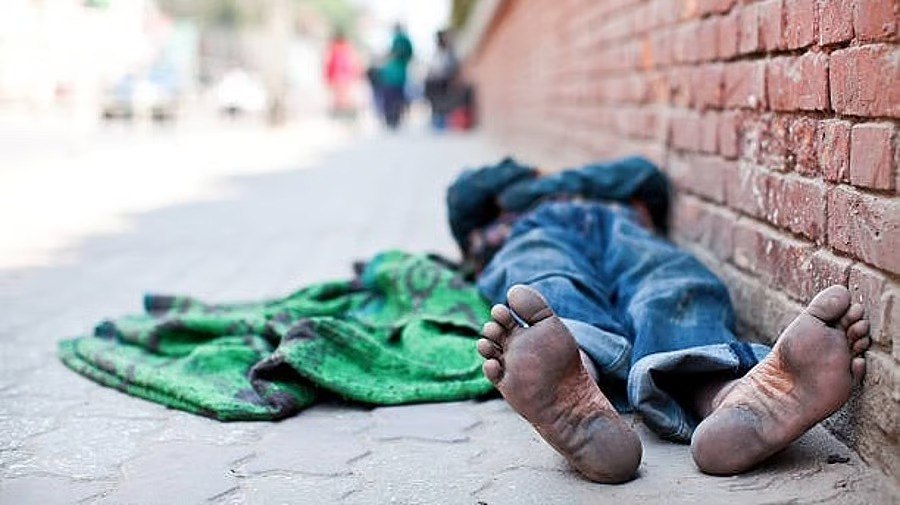
The court’s pronouncement underscored a fundamental reality of urban India: the widespread homelessness and the necessity for many to seek rest in public spaces. Justice Dayal articulated that pavements often become a relatively safer haven for those working through the night or engaged in construction, who lack alternative shelter. The expectation that vehicles would not intrude upon these pedestrian zones forms the basis of this perceived safety.
This judgment directly challenges the notion of "contributory negligence" when vulnerable individuals are involved. The tribunal’s initial finding, which attributed 50 percent negligence to the victims for sleeping on the pavement, was deemed unsustainable by the High Court. The court clarified that while a pavement’s primary purpose is walking, its use for resting, even if not intended, does not grant vehicles permission to drive upon it, which is strictly prohibited by law.
The specific case that led to this landmark ruling involved a tragic incident in October 2015. Four individuals sleeping on a pavement beneath the Madipur metro station were struck by a truck driven at high speed around 4:30 AM. This horrific event highlighted the extreme vulnerability of those without permanent shelter and the catastrophic consequences of reckless driving.
In its decision, the High Court meticulously restored the 50 percent compensation amount that the tribunal had previously deducted. The insurance company has been directed to disburse these enhanced amounts to the beneficiaries within six weeks. The kin of the two deceased victims are now entitled to approximately Rs 10 lakh each, while the two injured survivors will receive Rs 1,20,005 and Rs 18,10,569 respectively, reflecting a more equitable assessment of their losses.
Pavements: A Contested Urban Space
Indian cities, including Delhi, grapple with complex challenges concerning public spaces. Pavements, intended for pedestrian movement, often become multi-functional zones, serving as temporary shelters, vending spots, and resting areas for the urban poor. This informal use reflects a systemic lack of affordable housing and social safety nets, forcing countless individuals into precarious living conditions. The court’s ruling implicitly acknowledges this socio-economic reality, refusing to penalize individuals for circumstances beyond their control.
Driver Responsibility in Urban Areas
The judgment reinforces the critical principle of driver accountability, particularly in densely populated urban environments. Drivers are expected to exercise extreme caution, especially when operating vehicles in proximity to pedestrian zones. The court’s stance underscores that the onus is on the driver to prevent accidents, rather than shifting blame to vulnerable pedestrians who may be using public spaces out of necessity. This sets a higher standard for road safety and driver conduct.
A Broader Legal and Social Impact
This ruling is poised to have far-reaching implications for future motor accident claims across India. It establishes a significant legal precedent that prioritizes human life and dignity over a narrow interpretation of property use. By rejecting the notion of contributory negligence for those sleeping on pavements, the High Court has sent a clear message about protecting the most vulnerable sections of society from the consequences of vehicular negligence. It encourages a more compassionate and realistic approach to accident compensation.
Editorial Context
This Delhi High Court judgment transcends a mere legal technicality; it represents a profound re-evaluation of societal responsibility towards its most marginalized members. In a nation where urban migration and economic disparities leave millions without adequate shelter, the ruling acknowledges the harsh realities faced by the homeless. Over the long term, this decision could serve as a powerful catalyst for advocating for better urban planning, more robust social welfare programs, and a heightened sense of civic duty among drivers. It underscores that the right to safety and dignity extends to all, irrespective of their socio-economic status or where they find temporary respite. The verdict challenges the judiciary and society at large to adopt a more empathetic lens when assessing culpability in accidents involving the vulnerable, potentially influencing policy changes that protect the rights of the urban poor and redefine road safety norms.
TL;DR
- The Delhi High Court overturned a Motor Accidents Claims Tribunal (MACT) finding of 50% contributory negligence.
- Sleeping on pavements cannot be held as an act contributing to negligence in road accidents, the court ruled.
- Justice Anish Dayal cited the reality of homelessness and the lack of safe resting places for many individuals.
- The court emphasized that drivers must exercise greater caution in areas meant for pedestrians.
- Compensation for the kin of two deceased and two injured victims was significantly enhanced and restored.
- The ruling sets a crucial legal precedent, prioritizing the safety and dignity of vulnerable populations in accident claims.