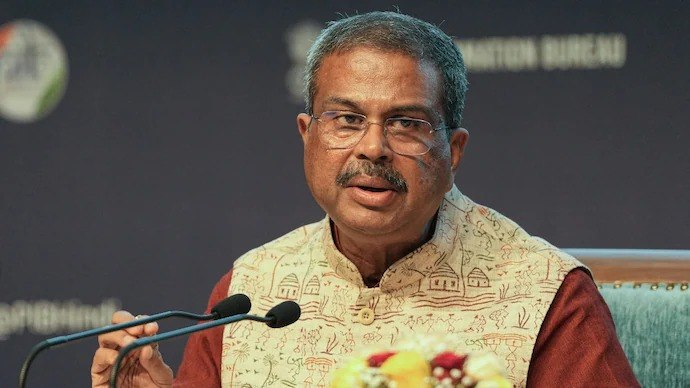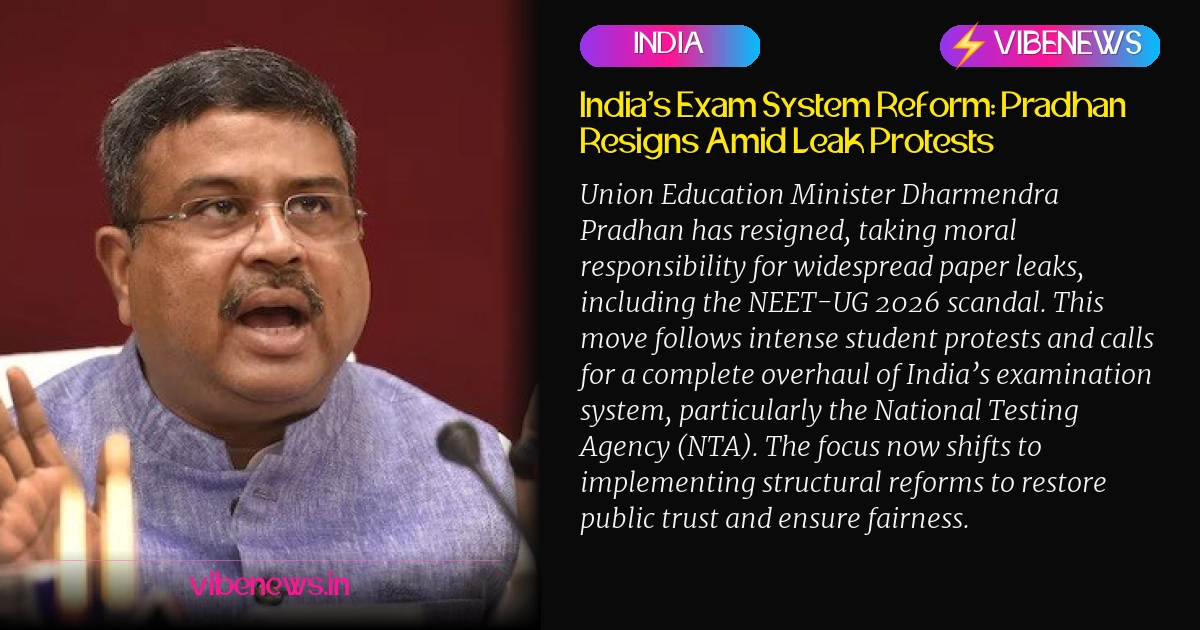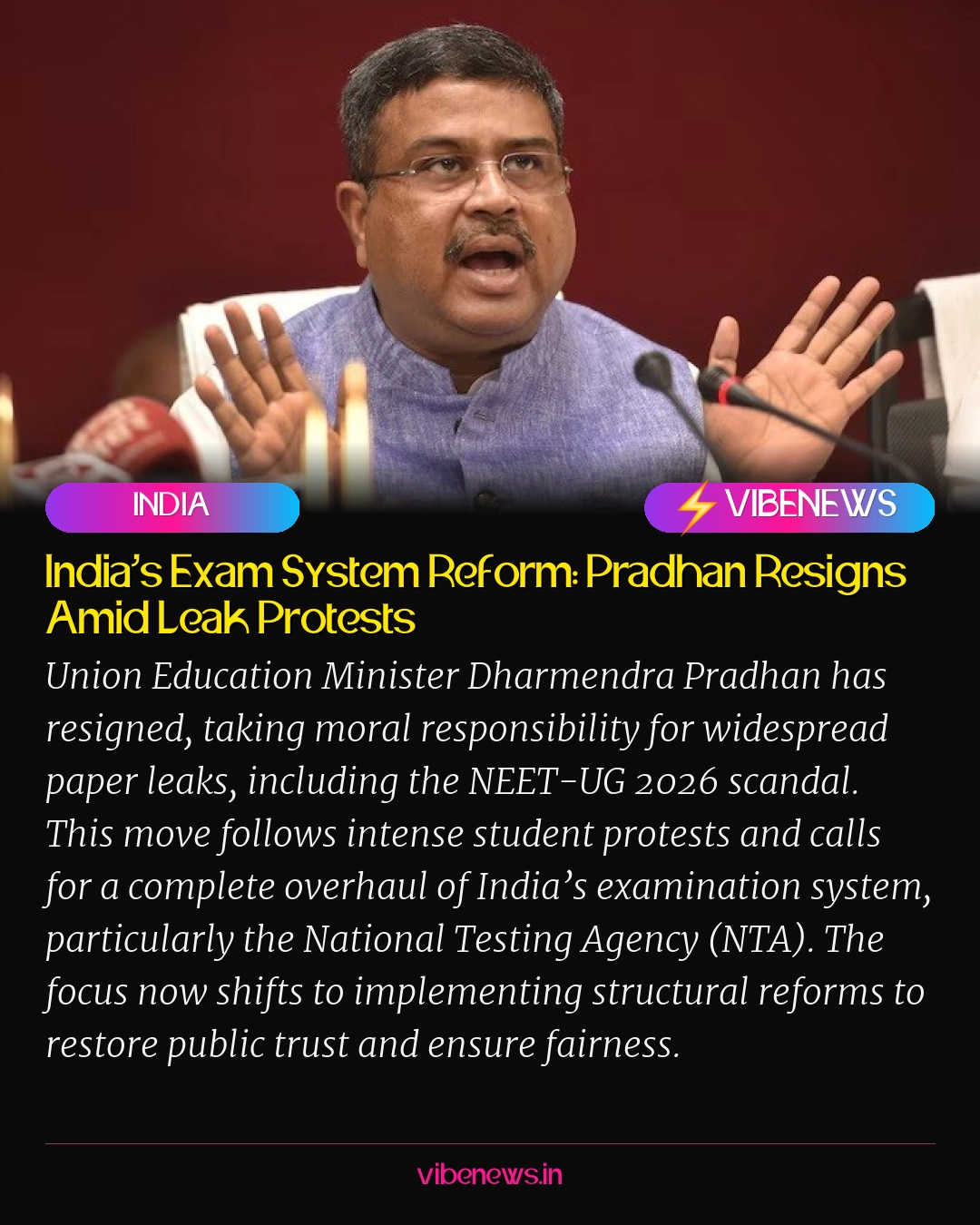
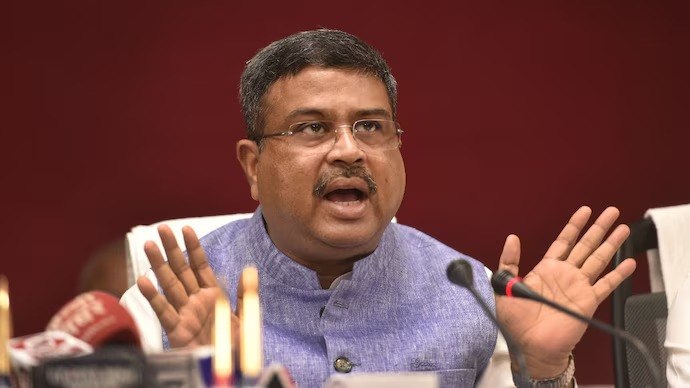
Union Education Minister Dharmendra Pradhan has tendered his resignation, accepting moral responsibility for the widespread paper leaks that have plagued India’s examination system. His departure on Saturday afternoon marks a significant moment, but it is widely seen not as an end to the crisis, but rather as a critical juncture demanding profound structural reforms.
The immediate focus has shifted from a change of faces to a fundamental re-evaluation of the mechanisms governing national examinations. The crisis has deeply eroded public trust, highlighted systemic transparency issues, and underscored the recurring nature of paper leaks, prompting calls for comprehensive changes from students, parents, and judicial bodies alike.
The Catalyst for Widespread Discontent
The immediate trigger for the latest wave of outrage was the NEET-UG 2026 exam paper leak, which mirrored similar incidents in previous years, including 2024. This was swiftly followed by a second scandal involving the CBSE’s on-screen evaluation process, leaving thousands of students uncertain about the accuracy of their results and further deepening the crisis of confidence.
For students already grappling with anxieties about job scarcity and future prospects, these incidents proved to be the final straw. Anger over compromised examinations, including those conducted by NEET, SSC, and UGC-NET, has been simmering for years. Student groups contend that dozens of exams have been compromised, transforming what should be a fair opportunity into what many perceive as a rigged lottery.
A Movement for Accountability Takes Shape
The protests gained momentum rapidly, evolving from online satire to real-world demonstrations. A satirical page named the ‘Cockroach Janta Party,’ initiated in May by Abhijeet Dipke, initially poked fun at politicians but quickly transformed into a genuine protest camp at Delhi’s Jantar Mantar.
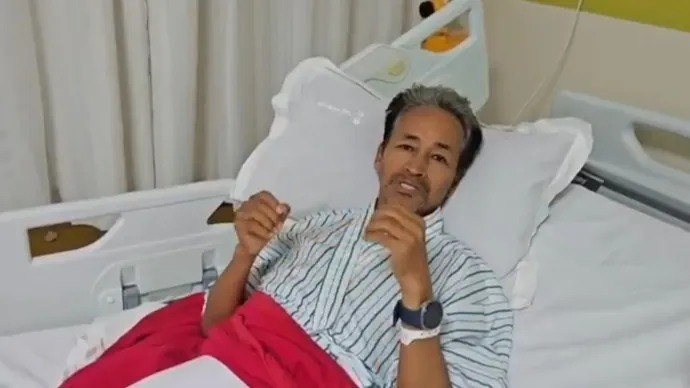
The movement gained significant force when activist Sonam Wangchuk commenced a hunger strike in late June, demanding not only Pradhan’s resignation but also a complete overhaul of India’s entire examination system. Political parties, various student organizations, and concerned parents swiftly joined the growing chorus of dissent. News channels dubbed it India’s ‘Gen Z protest,’ highlighting its resilience and widespread appeal among the youth.
Administrative Shifts Preceding the Resignation
Pradhan’s resignation was not the first administrative change in response to the escalating crisis. Two days prior, the government had reshuffled key figures within the education bureaucracy. Vineet Joshi, who held significant roles in both the Higher and School Education departments and previously headed the NTA, was removed and reassigned to the Ministry of Panchayati Raj.
Naresh Pal Gangwar assumed the role of Higher Education Secretary, while T K Anil Kumar became the School Education Secretary. Many observers interpreted these initial changes as an attempt to shield the minister by sacrificing his officials first. However, this strategy proved insufficient in quelling the public outcry and the demand for ministerial accountability.
Blueprint for Systemic Overhaul
With the minister’s departure, the focus has intensified on implementing concrete reforms. Several key shifts are now anticipated and closely watched by students, parents, and the judiciary:
A thorough clean-up or complete overhaul of the National Testing Agency (NTA) is paramount. Petitions before the Supreme Court have already called for either a restructuring or outright dissolution of the agency. Courts have pressed the government to articulate how the NTA will develop ‘institutional memory’ to prevent the recurrence of past mistakes in future exam cycles. This is expected to be a primary reform agenda item.
Establishing a tamper-proof exam pipeline is another critical area. The entire chain, from the printing of question papers to their secure transportation to examination centers, requires robust security measures. The Centre has already assured the Supreme Court of its efforts to tighten this process, and the incoming administration will need to demonstrate its effectiveness rather than merely making promises.
Ensuring fast, transparent results and marking processes is essential to rebuild trust. The recent CBSE on-screen evaluation issues starkly illustrated how opaque marking and revaluation procedures can instantly erode confidence. A fast-track bench of the Delhi High Court has been established to expedite cases under the Public Examinations (Prevention of Unfair Means) Act, 2024, signaling a commitment to quicker resolution.
The government is also expected to set up a standing high-powered monitoring committee to oversee sensitive examinations until public confidence is fully restored. The proposed model for this committee includes independent experts such as a retired judge, a cybersecurity specialist, and a forensic scientist, which would significantly enhance its credibility and ensure impartial oversight.
Finally, the crisis has highlighted the urgent need for a real conversation about jobs, extending beyond just exams. Beneath the immediate anger over paper leaks lies a deeper, long-standing frustration stemming from the intense competition for a shrinking number of secure jobs. Protesters have consistently linked exam scandals to India’s broader unemployment crisis, emphasizing that fixing the NTA alone will not resolve these underlying socio-economic issues. Any serious reform effort must look beyond the confines of the examination hall.
Strengthening Accountability and Enforcement
With the new changes in the ministry, there must be a clear and robust accountability framework for leaks, cheating networks, and administrative failures. The existing Public Examinations (Prevention of Unfair Means) Act, 2024, already criminalizes organized unfair means. However, recent reports suggest the government is considering stronger enforcement powers, which would necessitate swift investigation, prosecution, and transparent public reporting to be truly effective.
Editorial Context: A Turning Point for India’s Youth
Dharmendra Pradhan’s resignation marks more than just a political event; it signifies a potential turning point for India’s education system and the future of its youth. The widespread protests, driven largely by ‘Gen Z,’ underscore a deep-seated disillusionment with a system perceived as unfair and unresponsive. This moment offers a crucial opportunity to not only address the immediate issues of paper leaks and administrative inefficiencies but also to tackle the broader challenges of unemployment and the quality of education.
The long-term implications of these reforms are profound. Restoring faith in the integrity of public examinations is vital for ensuring social mobility and meritocracy. A failure to implement meaningful changes could further alienate a generation already struggling with economic uncertainties. The government’s response in the coming months will determine whether this period is remembered as just another news cycle or as the catalyst for a fundamental, positive transformation in India’s governance of education and employment opportunities.
TL;DR
- Union Education Minister Dharmendra Pradhan resigned, taking moral responsibility for recent paper leaks, including the NEET-UG 2026 exam.
- The resignation follows widespread student protests and demands for systemic reforms in India’s examination system.
- Key proposed changes include a complete overhaul or dissolution of the National Testing Agency (NTA) and securing the entire exam pipeline.
- Calls for transparent results, faster marking processes, and the establishment of an independent monitoring committee are central to restoring trust.
- Protests have also highlighted the deeper issue of India’s unemployment crisis, linking exam integrity to job security.
- The government is expected to strengthen accountability frameworks and enforcement powers under the Public Examinations (Prevention of Unfair Means) Act, 2024.