US Targets 60 Nations with New Forced Labour Tariffs
The United States has initiated a new round of tariffs on imports from 60 trading partners, citing their failure to adequately enforce bans on goods produced with forced labour. These duties, ranging from 10 to 12.5 per cent, are being implemented under Section 301 of the Trade Act of 1974. This legislative route offers a more enduring framework compared to the temporary worldwide levies that are set to expire.
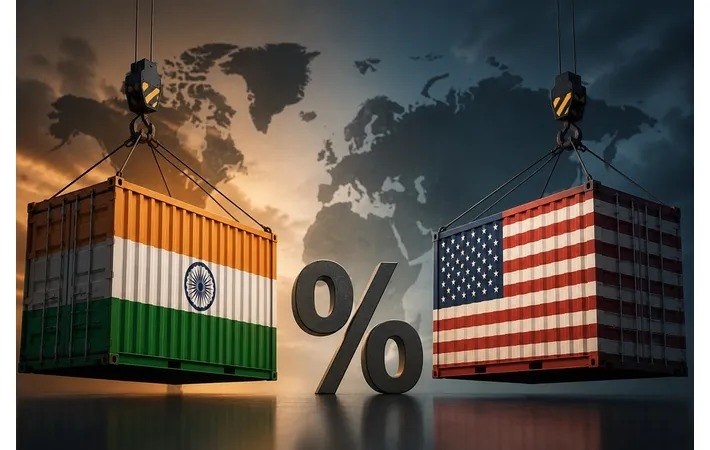
Notably, India has qualified for a reduced tariff rate, with its duty cut from an initial 12.5 per cent to 10 per cent. This adjustment follows a demonstration of tightened enforcement measures against forced labour practices within its supply chains. The broader move has elicited strong reactions, drawing criticism from both US political opponents and several foreign governments, even as some human rights advocates acknowledge the potential for import bans to pressure countries into action.
The Legislative Shift
The new tariffs mark a significant strategic pivot for the US administration. They replace temporary 10 per cent worldwide levies previously imposed under Section 122 of the Trade Act of 1974. Those earlier measures were a stopgap response after the Supreme Court, in February, invalidated broader tariffs that had been enacted under the 1977 International Emergency Economic Powers Act.
That Supreme Court decision necessitated the refunding of tariffs to importers, compelling the administration to seek a more robust legal foundation for its trade policies. Section 301 provides this, allowing the President to impose tariffs and other sanctions against nations deemed to engage in ‘unjustifiable,’ ‘unreasonable,’ or ‘discriminatory’ trade practices. This section was famously utilized during the administration’s first term to impose substantial tariffs on China, which successfully withstood legal challenges.
US Trade Representative Jamieson Greer underscored the administration’s stance, stating, "The United States has had a forced labour import ban for nearly a century, and rigorously enforces it; it’s well past time for our trading partners to do the same." The USTR’s office is also conducting a separate Section 301 investigation into 16 countries, representing 70 per cent of US imports, concerning potential overproduction and price depression, though that inquiry remains ongoing.
International Repercussions and Domestic Concerns
The announcement of the new tariffs was met with immediate and vocal opposition. US Representative Richard Neal of Massachusetts, a leading Democrat on the House Ways and Means Committee, dismissed the forced labour justification as "too convenient to be taken seriously." He argued that while forced labour is a genuine and pervasive issue, it should not be cheapened into a pretext for a tariff policy built on "dubious legal theories and personal grievances."
Internationally, Brazil, facing a 12.5 per cent tariff, condemned the US action as "arbitrary and unjustified." The Brazilian government announced its intention to invoke its reciprocity law and file a complaint with the World Trade Organization, accusing the United States of manipulating a critical human rights issue to levy accusations against 59 countries and the European Union. Chile, also subject to a 12.5 per cent rate, asserted that the measure did not accurately reflect its robust labour standards and regulatory framework for preventing forced labour.
Domestically, the tariffs carry inherent economic and political risks. Tariffs are ultimately paid by US companies importing foreign goods, costs that are frequently passed on to consumers through higher prices. With Americans already expressing dissatisfaction over the cost of living, the administration’s decision to impose new tariffs ahead of the November 3 midterm elections presents a calculated political gamble.
The Human Rights Dimension
While the motivations behind the tariffs are subject to scrutiny, human rights observers acknowledge their potential impact on the global fight against forced labour. The International Labour Organization (ILO) defines forced labour as work exacted under threat of penalty and not voluntarily offered. In 2021 alone, an estimated 27.6 million people worldwide were trapped in forced labour.
Martina Vandenberg, founder of The Human Trafficking Legal Centre, views import bans as a potentially effective tool in combating forced labour, though not a "magic bullet." She emphasized the need for a phased rollout, allowing countries sufficient time to establish meaningful and enforceable import ban mechanisms. Similarly, Kenya Davis, a partner at Boies Schiller Flexner, highlighted that while the effectiveness of such measures is debatable, they undeniably raise awareness about labour trafficking and forced labour, building on previous legislation like the 2021 Uyghur Forced Labour Prevention Act.
Isabelle Glimcher, a senior research scientist at the NYU Stern Center for Human Rights, pointed out a potential flaw in the tariffs, noting they tax countries based on goods they import rather than those they produce domestically. However, she also observed that the threat of these tariffs has already prompted several nations, including India, to amend their foreign trade policies to incorporate forced labour import bans. This suggests a growing global response to the issue, further amplified by impending European Union regulations.
Editorial Context
The US administration’s pivot to Section 301 for enforcing forced labour bans represents a significant evolution in international trade policy. This move elevates human rights concerns to a central position within trade negotiations, potentially setting a precedent for how countries address social issues through economic leverage. Over the long term, this could reshape global supply chains, compelling multinational corporations to undertake more rigorous due diligence to ensure their products are free from forced labour at every stage of production.
The application of Section 301, previously associated with broader economic disputes, to a human rights issue also signals a potential weaponization of trade tools for ethical objectives. This approach, while lauded by some human rights advocates, risks alienating trading partners who perceive the measures as arbitrary or politically motivated, potentially leading to retaliatory actions and increased friction within the World Trade Organization. The nuanced response from countries like India, which adjusted policies to secure a lower tariff, illustrates the complex interplay between national sovereignty, economic pressure, and evolving international labour standards. This development will undoubtedly influence future discussions on trade, human rights, and the responsibilities of global commerce.
TL;DR
- The US has imposed new tariffs of 10-12.5% on imports from 60 trading partners, citing inadequate enforcement of forced labour bans.
- These duties are enacted under Section 301 of the Trade Act of 1974, replacing temporary worldwide levies that are expiring.
- India’s tariff rate was reduced from 12.5% to 10% after demonstrating improved enforcement against forced labour.
- The move follows a Supreme Court ruling that struck down previous broader tariffs imposed under a different emergency powers act.
- While drawing criticism from some US lawmakers and foreign governments like Brazil and Chile, human rights advocates see potential for the tariffs to pressure countries to act.
- The tariffs are paid by US importers, posing a risk of higher consumer prices and carrying political implications ahead of upcoming elections.