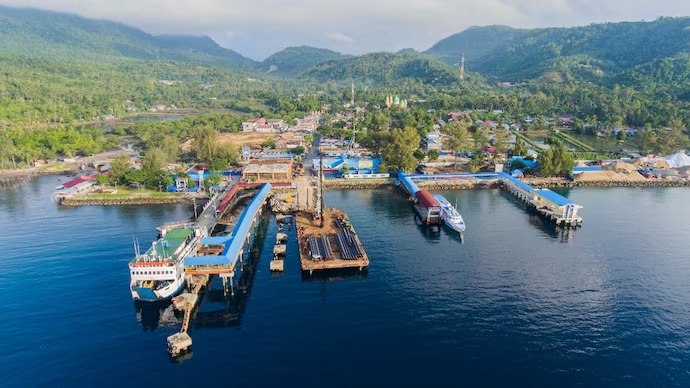
India and Indonesia have reached a landmark agreement to jointly develop the Sabang Port on Weh Island, a strategic move poised to significantly enhance India’s maritime presence and counter China’s expanding influence in the Indo-Pacific region. This collaboration, finalized during Prime Minister Narendra Modi’s recent visit to Indonesia, grants India a crucial foothold near the Strait of Malacca, a vital global trade chokepoint through which an estimated 40% of the world’s trade passes.
The deal is a direct response to China’s growing naval footprint in the Indian Ocean and its strategic vulnerabilities, often termed the "Malacca dilemma," given that approximately 80% of China’s oil imports traverse this narrow strait. By securing access to Sabang Port, India establishes a permanent strategic presence that is expected to reshape regional power dynamics and safeguard international maritime commerce.
Strategic Foothold in the Indo-Pacific
The geographical importance of Sabang Port cannot be overstated. Located at the northern tip of Sumatra Island, it directly overlooks the Strait of Malacca, a critical maritime passage. This strait is not merely a trade route; it is a strategic chokepoint that is fundamental to global energy security and economic stability.
The port’s development will allow India to enhance its surveillance capabilities and reinforce its strategic position in the Indo-Pacific. Furthermore, Sabang Port is situated roughly 100 miles from India’s upcoming Great Nicobar transhipment port. The synergy between these two facilities will create a powerful strategic axis, enabling India to monitor and potentially control one of the world’s busiest maritime corridors.
While Sabang is a relatively small port, capable of handling vessels up to 50,000 tonnes, its deep-water capabilities mean it can host all classes of naval vessels, including submarines. This makes it an invaluable asset for projecting naval power and ensuring maritime security in the region.
Why the Strait of Malacca Matters
The Strait of Malacca is often compared to other critical chokepoints like the Strait of Hormuz, which controls 20% of global energy flows. A crisis in such a strait can have devastating global economic consequences. India’s presence at Sabang Port provides a crucial layer of stability and security to this vital passage, mitigating potential disruptions.
Countering China’s "String of Pearls"
The Sabang Port deal is widely seen as a strategic counter to China’s long-term maritime expansion strategy, often referred to as the "String of Pearls." Over decades, China has invested in and developed a network of commercial and military ports across the Indian Ocean, stretching from Myanmar and Sri Lanka to Pakistan and East Africa.
These include significant investments in deep-water ports such as Gwadar in Pakistan and Lamu in Kenya, alongside smaller terminals. Many of these projects are linked to China’s Belt and Road Initiative and have often been criticized as "debt trap diplomacy," where countries accrue significant Chinese debt, leading to China gaining operational control or long-term leases over strategic assets, as seen with Sri Lanka’s Hambantota port.
China’s expanding maritime footprint in the Indian Ocean poses a direct challenge to India’s regional security interests. The Sabang Port agreement provides India with a crucial strategic response, allowing it to project influence and maintain a balance of power in its backyard.
Economic and Security Implications for India
For India, the Sabang Port deal holds immense value. It not only safeguards India’s own energy imports and trade routes but also strengthens its overall national security posture. By establishing a robust presence near the Malacca Strait, India can better protect its economic interests and contribute to regional stability.
The collaboration with Indonesia underscores a growing alignment of strategic interests among Indo-Pacific nations seeking to maintain a free and open maritime order. This development is expected to foster greater cooperation in maritime domain awareness and joint naval exercises, further solidifying India’s role as a net security provider in the Indian Ocean Region.
TL;DR
- India and Indonesia will jointly develop Sabang Port, strategically located near the critical Strait of Malacca.
- The deal provides India a critical maritime foothold, enhancing its presence in the Indo-Pacific and countering China’s influence.
- Sabang Port directly addresses China’s "Malacca dilemma" and offers a strategic counter to its "String of Pearls" strategy.
- The port’s proximity to India’s upcoming Great Nicobar transhipment port creates a powerful strategic axis for surveillance and control.
- This agreement strengthens India’s national security, safeguards vital global trade routes, and enhances regional maritime stability.