Indian-American politicians who won seats in the 2026 US midterm elections are drawing close attention in New Delhi, and the interest goes well beyond their historic numbers. Most of them belong to the Democratic Party, which is in opposition, and many are openly willing to criticise the Indian government on civil rights and democratic freedoms.
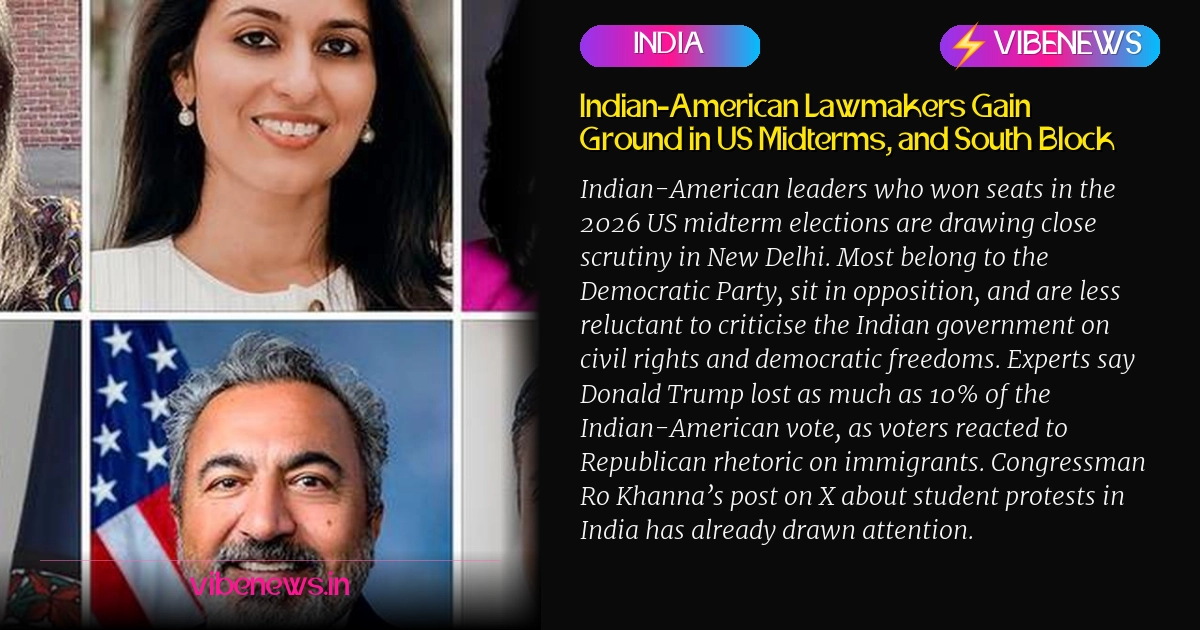
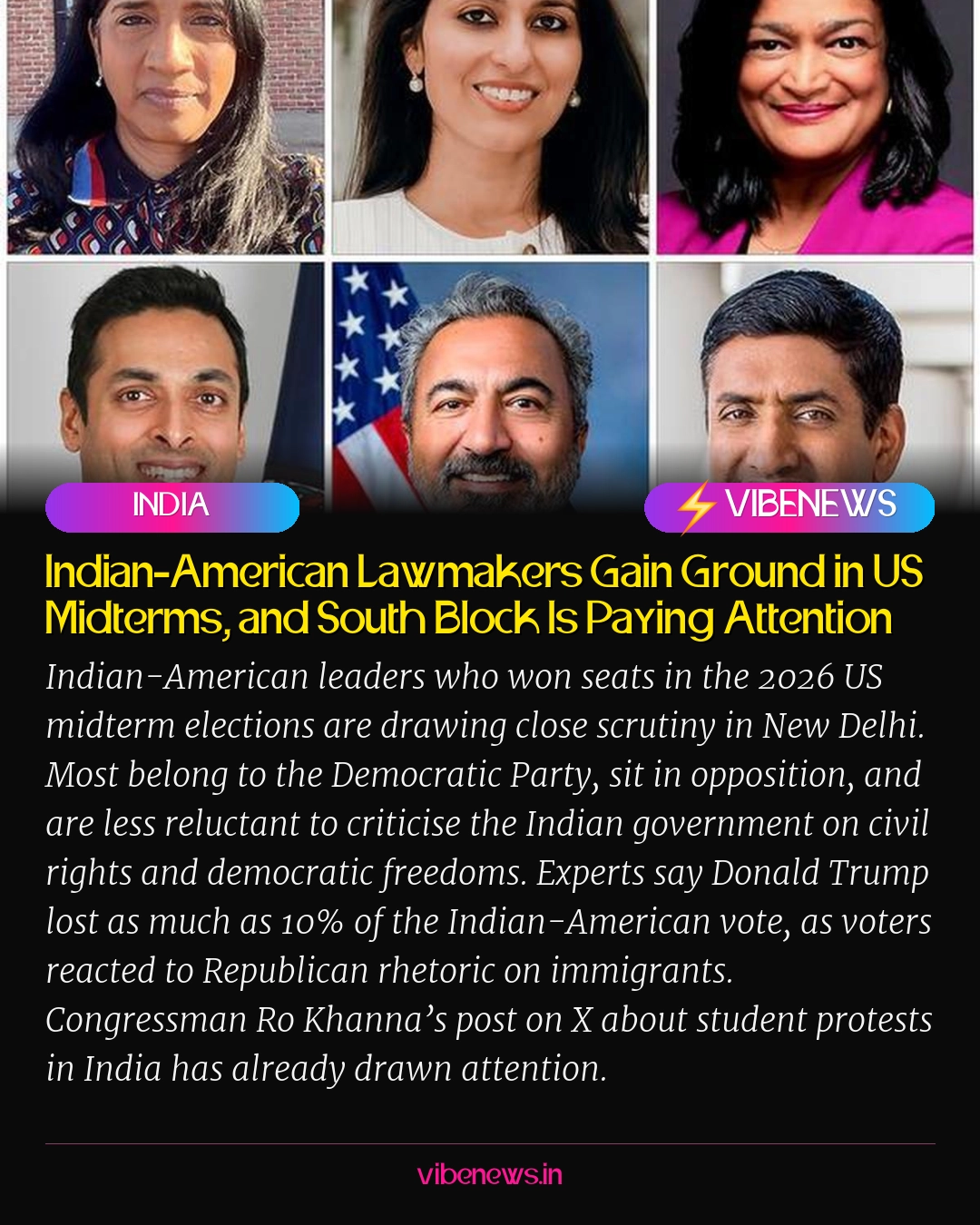
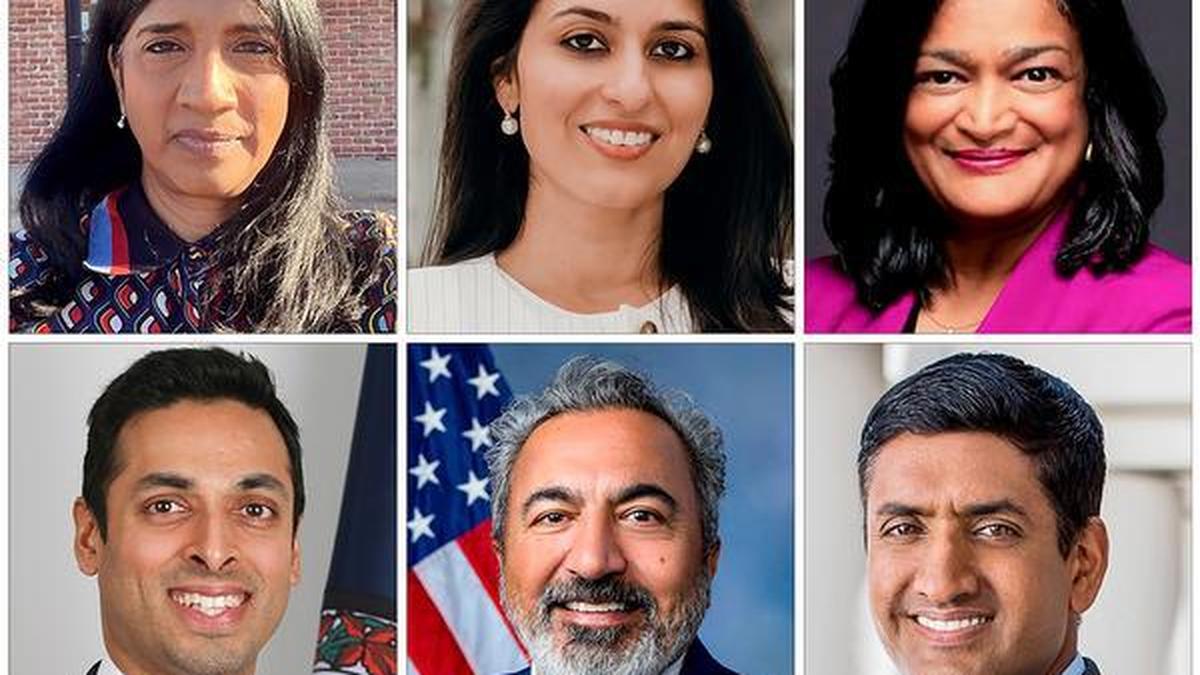
Six leaders are pictured together in a combined image that circulated with the story: Aruna Miller, Pia Dandiya, Pramila Jayapal, Suhas Subramanyam, Ami Bera and Ro Khanna. Each secured a victory in the 2026 midterms. Their wins came at a time when the community’s political weight in Washington is clearly growing.
The shift in voting patterns is hard to miss. Experts say US President Donald Trump lost as much as 10% of the Indian-American vote. The reason, according to those analysts, is widespread disappointment with the Republican Party’s MAGA rhetoric, which villainises immigrants. For many voters of Indian origin, that message landed poorly.
Commentators have started calling the result the ‘bluenami’, a play on the Democratic Party’s official colour. The label is catchy, but the more interesting question for India is what these elected officials will do with their seats.
A sharper tone from the opposition benches
On Friday, November 6, 2026, Congressman Ro Khanna, who is 50, took a direct swipe at the Modi government. He wrote on X that he ‘applauded’ student protests in India. He also said he ‘unequivocally condemned Hindu nationalism’. The post did not stay in the background.
He said he ‘applauded’ student protests in India and ‘unequivocally condemned Hindu nationalism’.
The remarks took many officials in the Ministry of External Affairs by surprise. Diplomats generally prefer to handle criticism from friendly legislators through quiet channels, and a public statement of this kind changes the tone of the conversation. Khanna’s post shows how a single lawmaker can put a sensitive issue on the table without any government in Washington taking an official position.
Why South Block is studying the numbers
The concern in New Delhi is not limited to one congressman. Indian officials are studying the wider group, because a growing bloc of Indian-origin lawmakers in the US House can shape hearings, letters, caucus agendas and public messaging. None of these tools automatically changes policy. But they can keep issues such as civil liberties in India in front of American audiences, and they can make it harder for the Indian government to treat such criticism as a fringe view.
That is why the diaspora question has become a foreign policy question. For decades, India’s engagement with Washington focused largely on trade, defence, technology and counterterrorism, with governments and executive agencies taking the lead. Now the people who sit in Congress, many of them born in India or raised by parents who were, are becoming a visible part of that relationship. Their voices carry a personal connection to India, which makes them harder to dismiss and more likely to be heard by voters back home.
What the midterm result signals
Election results alone do not settle how these lawmakers will behave. Being in opposition shapes their incentives, and their constituencies shape what they choose to emphasise. The sources do not say how each of these leaders will approach India in the next session, and it would be a mistake to assume a single unified position across the group. What the sources do show is that the Democratic bench now includes more Indian-American voices willing to challenge New Delhi publicly.
For Indian readers, the story is a reminder that domestic politics in the United States can spill directly into bilateral relations. A shift in the Indian-American vote, a new group of lawmakers and a single pointed post on X can together change how a government in New Delhi plans its diplomacy. Watching how these legislators use their new positions will show whether this moment becomes a passing exchange or a lasting change in the tone of India-US political conversation.
TL;DR
- Indian-American leaders won seats in the 2026 US midterm elections, and most belong to the opposition Democratic Party.
- Experts say Donald Trump lost as much as 10% of the Indian-American vote amid anger over Republican MAGA rhetoric on immigrants.
- Congressman Ro Khanna said on X he ‘applauded’ student protests in India and ‘unequivocally condemned Hindu nationalism’.
- The remarks reportedly took many officials at the Ministry of External Affairs by surprise.
- South Block is studying the growing number of Indian-American lawmakers and their willingness to criticise New Delhi.