India Mobilizes Tech Expertise to Safeguard Public Examinations
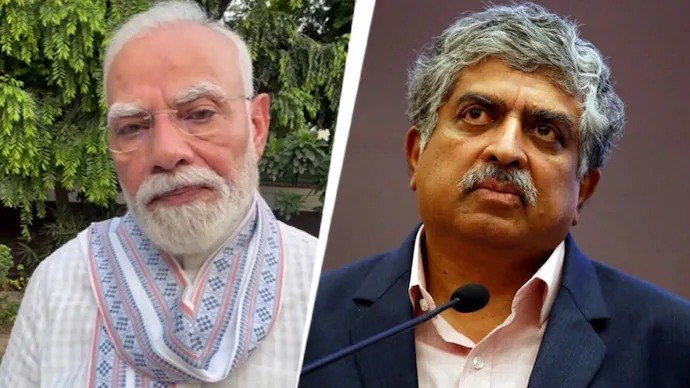
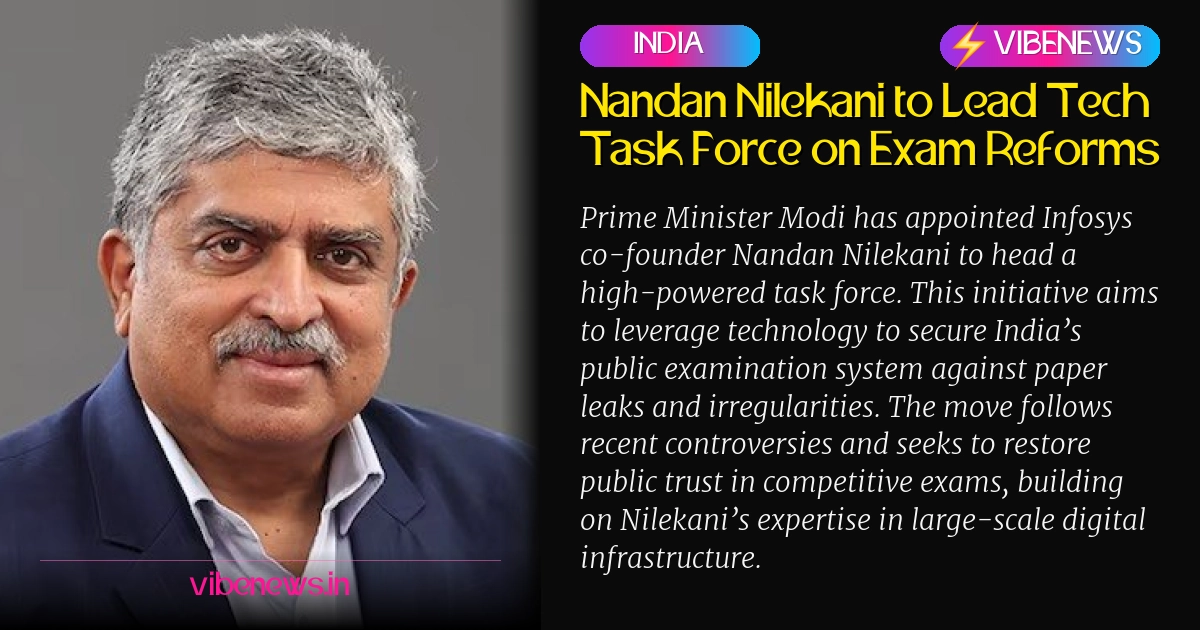
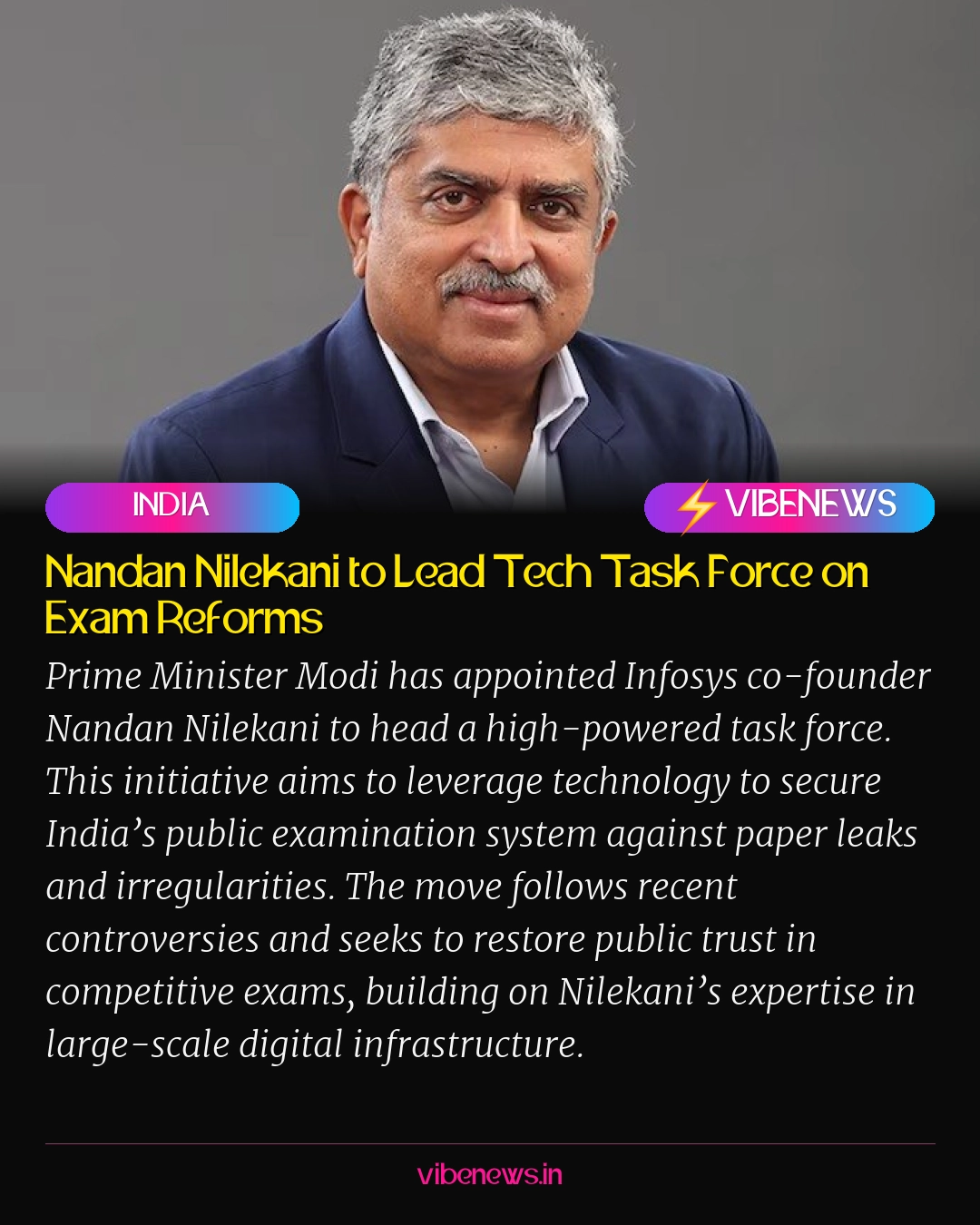
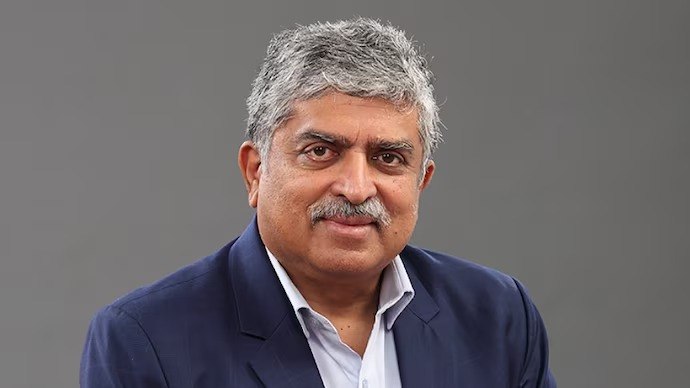
Prime Minister Narendra Modi recently announced the formation of a high-powered task force, led by Infosys co-founder Nandan Mohanrao Nilekani, to revolutionize India’s public examination system. This strategic move aims to integrate advanced technology to create a leak-proof and transparent framework for competitive exams across the nation.
The announcement comes amidst heightened public concern over alleged paper leaks and irregularities in significant examinations, including NEET-UG and UGC-NET. The government’s proactive stance signals a commitment to restoring faith in the integrity of these crucial academic and career gateways.
The Mandate for Technological Solutions
The newly constituted task force boasts an impressive lineup of India’s leading minds in technology, security, and education. Alongside Nilekani, members include former ISRO Chairman S. Somanath, Intelligence Bureau Director Tapan Deka, IIT Madras Director V. Kamakoti, former School Education Secretary Anita Karwal, and Higher Education Secretary Amrit Lal Meena.
Their collective mandate is to develop and implement technology-driven solutions that will strengthen every stage of the examination process. The objective is to mitigate vulnerabilities that lead to malpractices and ensure a fair playing field for all aspirants.
Nandan Nilekani’s Proven Track Record
Nandan Nilekani’s selection to lead this critical initiative is a testament to his unparalleled experience in deploying technology at a national scale. Born in Bengaluru, Nilekani is an IIT Bombay alumnus who co-founded Infosys in 1981, transforming it into a global IT powerhouse.
His most impactful contribution to public administration, however, came in 2009 when he spearheaded the Unique Identification Authority of India (UIDAI). As its chairman, Nilekani oversaw the creation and implementation of Aadhaar, the world’s largest biometric identity program, which now serves as a cornerstone of India’s digital governance ecosystem.
Beyond Aadhaar, Nilekani was instrumental in conceptualizing the framework for the Unified Payments Interface (UPI), which has revolutionized digital payments in India and gained international recognition. His expertise extends to chairing government technology committees, advising international organizations, and investing in numerous Indian technology startups.
His background in building robust, scalable, and secure digital platforms makes him uniquely qualified to tackle the complex challenges of securing India’s examination system. The government is clearly banking on his ability to innovate and execute solutions that can withstand sophisticated attempts at subversion.
Strengthening the Legal Framework
The technological overhaul is being complemented by significant legislative action. The government is preparing to introduce amendments to the Public Examinations (Prevention of Unfair Means) Act, 2024, aiming to create a more stringent legal framework against examination malpractice.
These proposed amendments seek to impose harsher punishments, with fines potentially reaching up to 10 crore rupees and imprisonment extending to eight years for serious offenses. The legislative changes also include provisions for the creation of a Special Task Force (STF) dedicated to investigating examination-related offenses.
Furthermore, the amendments mandate time-bound investigations, requiring completion within two months of an FIR. Special Fast Track Courts will be established to conduct daily hearings and conclude trials within three months of a chargesheet being filed, with a dedicated appeal mechanism for High Courts to dispose of appeals within three months.
This dual approach of technological fortification and legal deterrence aims to dismantle organized paper leak rackets and ensure swift justice for those involved in unfair practices. The synergy between these two pillars is expected to create a formidable defense against future breaches.
A Broader Vision for Examination Integrity
The combined efforts of a technology-driven task force and a strengthened legal framework represent a comprehensive strategy to restore public confidence. The government’s vision extends beyond merely preventing leaks; it aims to foster an environment where meritocracy thrives, and every student’s hard work is duly recognized.
By leveraging the power of digital innovation, India seeks to set a new global benchmark for secure and transparent examination systems. This initiative is not just about fixing a problem but about building a resilient and future-ready educational infrastructure that can support the aspirations of millions.
Editorial Context
The integrity of public examinations is foundational to India’s social mobility and economic progress. When the examination system is compromised, it erodes public trust, demoralizes deserving students, and undermines the very principles of meritocracy. The appointment of Nandan Nilekani to lead a technology task force, coupled with robust legal reforms, signifies a critical turning point in addressing this national challenge.
This development is significant over the long term because it directly impacts the future workforce, the quality of public services, and the nation’s global competitiveness. A secure and transparent examination system ensures that only the most capable individuals enter critical professions, from medicine and engineering to public administration. Moreover, it reinforces the belief among the youth that hard work and talent will be rewarded, fostering a more equitable and aspirational society. This initiative also highlights India’s continued reliance on digital public infrastructure as a solution to complex governance issues, further cementing its position as a leader in digital transformation.
TL;DR
- Prime Minister Modi announced a task force led by Nandan Nilekani to secure India’s public examination system.
- The task force will leverage technology to prevent paper leaks and enhance transparency in competitive exams.
- Key members include former ISRO Chairman S. Somanath and Intelligence Bureau Director Tapan Deka, among other experts.
- Nilekani’s experience with Aadhaar and UPI underscores his capability in deploying large-scale digital solutions.
- The initiative complements proposed amendments to the Public Examinations (Prevention of Unfair Means) Act, 2024, which aim for stricter penalties and faster trials.
- The overarching goal is to restore public trust and ensure fairness in India’s crucial examination processes.