
A New Era for Exam Integrity
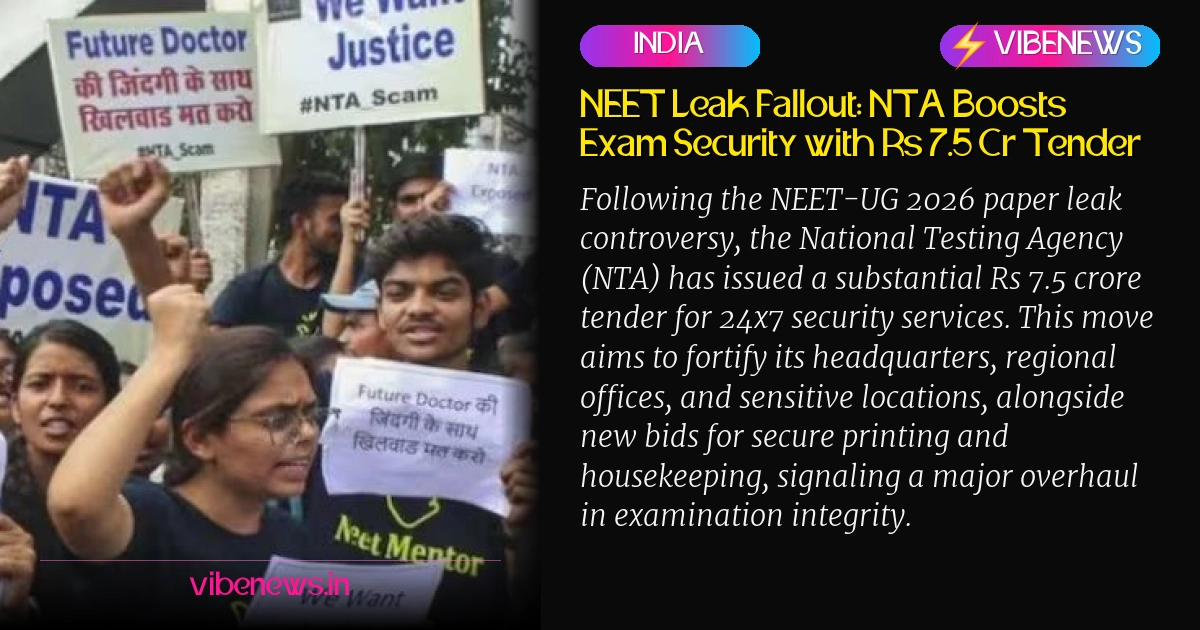
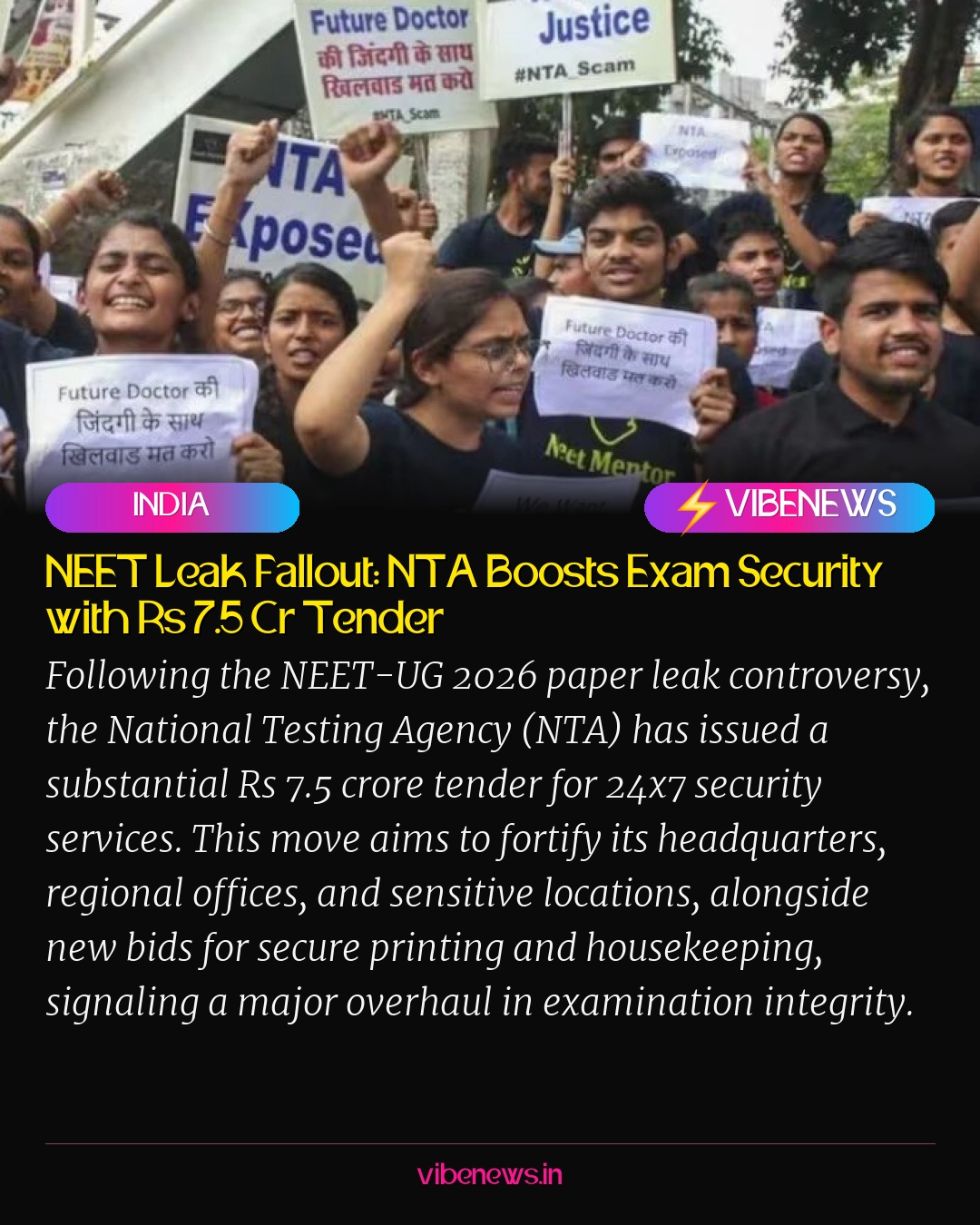
In a significant move to bolster the security of its examination ecosystem, the National Testing Agency (NTA) has initiated a tender process valued at approximately Rs 7.5 crore. This substantial investment is earmarked for securing professional 24x7 security services across its headquarters, regional offices, and other critical locations. The decision comes directly in the wake of the highly contentious NEET-UG 2026 paper leak controversy, which severely undermined public trust in the examination body.
Beyond enhanced physical security, the NTA has also invited bids for secure printing services and comprehensive housekeeping, indicating a multi-faceted approach to reinforcing the integrity of its entire examination system. These measures are designed to address vulnerabilities identified during recent crises and prevent future breaches.
The Tender’s Specifics and Scope
The tender, issued on July 25, outlines a broad scope for the selected security agency. It mandates round-the-clock protection for the NTA headquarters on Delhi’s Minto Road, its Okhla regional office, and other designated sensitive sites. The responsibilities extend to safeguarding personnel, visitors, and crucially, confidential examination materials, server rooms, strong rooms, warehouses, and record rooms.
The proposed contract is structured for an initial two-year term, with provisions for two additional one-year extensions, contingent upon satisfactory performance. Interested agencies have until August 17 to submit their bids, with technical evaluations scheduled to commence on the same day. This timeline underscores the urgency with which the NTA is pursuing these security upgrades.
Prioritizing Quality Over Cost
Notably, the NTA has opted for the Quality-and-Cost Based Selection (QCBS) method for this critical contract, a departure from the conventional lowest-bid procurement model often favored by government departments. This strategic choice reflects a recognition that safeguarding the nation’s examination infrastructure demands a greater emphasis on technical capability and proven expertise.
Under the QCBS framework, technical proposals will account for 70% of the final score, while commercial bids will contribute the remaining 30%. Agencies failing to achieve a minimum of 70 marks in the technical assessment will be disqualified from financial evaluation, ensuring that only highly competent firms are considered for this sensitive role. This rigorous selection process aims to guarantee the highest standards of security.
Eligibility and Comprehensive Responsibilities
The eligibility criteria for prospective bidders are stringent, requiring a minimum of five years’ experience in the security sector and an average annual turnover of Rs 10 crore over the past three financial years. Furthermore, applicants must demonstrate prior experience in providing protection services to central government institutions or other high-security establishments, including examination bodies, universities, airports, hospitals, and metro networks. This ensures that the chosen agency possesses a robust track record in managing complex security environments.
The selected agency’s duties will encompass strict access control, verifying identities, restricting unauthorized entry, and maintaining meticulous visitor logs. Security checks at designated points will involve the deployment of door-frame and hand-held metal detectors. Beyond physical access, the agency will be responsible for securing confidential examination materials, server rooms, digital infrastructure, and secure storage facilities, recognizing the multi-faceted nature of modern security threats.
The tender also mandates the integration of technology-driven monitoring systems, such as GPS-enabled guard patrol tracking, biometric attendance, and digital incident-reporting platforms. A strong emphasis is placed on confidentiality, requiring the service provider and its personnel to protect all sensitive information related to examination processes, security protocols, and IT infrastructure, with these obligations extending beyond the contract’s expiry.
The Shadow of NEET-UG 2026
The impetus for these sweeping reforms stems directly from the NEET-UG 2026 paper leak, an incident that plunged the NTA into one of its most severe crises. The leak led to the cancellation of the May 3 examination and necessitated a re-test on June 21, causing immense distress and uncertainty for hundreds of thousands of aspiring medical students across the country. The public outcry was significant, highlighting systemic vulnerabilities within the examination process.
This episode served as a catalyst for broader legislative action, culminating in Parliament’s passage of the Anti-Paper Leak Bill. Prime Minister Narendra Modi lauded the legislation as a crucial reform aimed at curbing paper leaks and pledged stringent action against those involved in such illicit rackets. The bill underscores the government’s commitment to safeguarding the integrity of competitive examinations, which are vital pathways for millions of Indian youth.
Editorial Context: Rebuilding Trust in India’s Examination System
The NTA’s latest tenders for security, housekeeping, and examination-grade printing represent more than just a procedural upgrade; they signify a critical pivot towards rebuilding public confidence in India’s high-stakes entrance examinations. The NEET-UG 2026 controversy exposed deep-seated issues, from the vulnerability of physical storage to the potential for insider malfeasance and the challenges of maintaining digital security.
This comprehensive approach, moving beyond reactive damage control to proactive, systemic fortification, is essential for the long-term credibility of institutions like the NTA. The shift to a Quality-and-Cost Based Selection method for security contracts is particularly noteworthy, indicating a recognition that the cost of a security breach far outweighs the savings from a cheaper, less capable provider. For millions of students whose futures hinge on these examinations, the integrity of the process is paramount. These reforms, if effectively implemented and rigorously monitored, could mark a turning point in ensuring fairness and transparency, thereby restoring faith in the meritocratic pathways that underpin India’s educational and professional landscape. The success of these measures will be crucial in shaping the aspirations and opportunities of future generations.
TL;DR
- The National Testing Agency (NTA) has issued a Rs 7.5 crore tender for 24x7 security services following the NEET-UG 2026 paper leak.
- The tender covers NTA headquarters, regional offices, and other sensitive locations, aiming to secure personnel, confidential materials, and digital infrastructure.
- NTA is also seeking bids for secure printing and housekeeping services as part of a broader integrity overhaul.
- The agency adopted a Quality-and-Cost Based Selection (QCBS) method, prioritizing technical capability (70%) over commercial bids (30%).
- Eligibility criteria include five years’ security experience, Rs 10 crore annual turnover, and prior work with high-security government institutions.
- The reforms are a direct response to the NEET-UG 2026 crisis, which led to exam cancellation and the subsequent passing of the Anti-Paper Leak Bill.