The Weight of Expectation
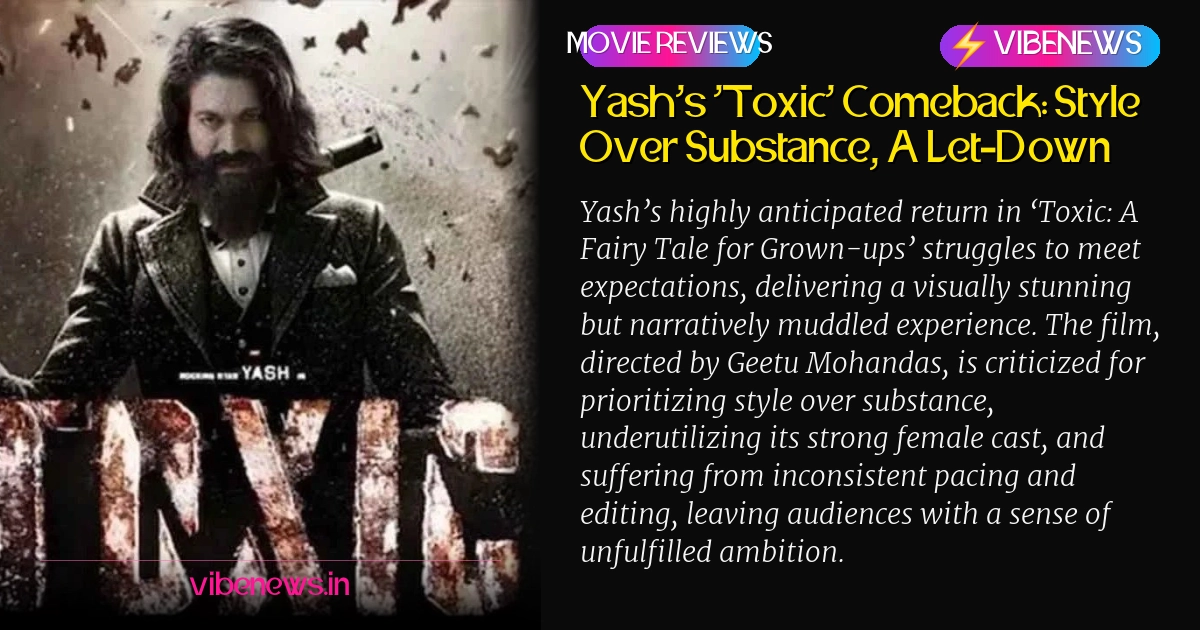
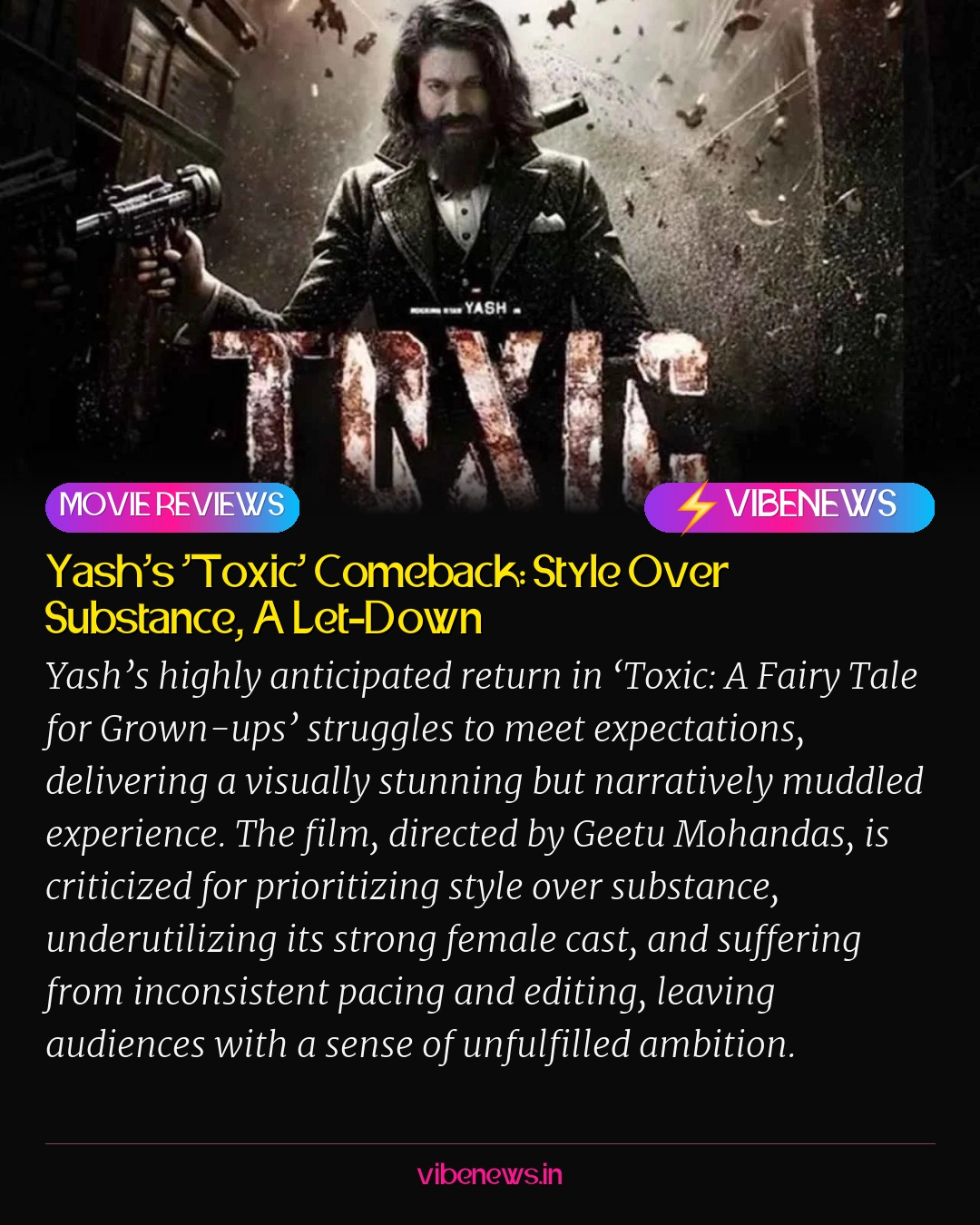
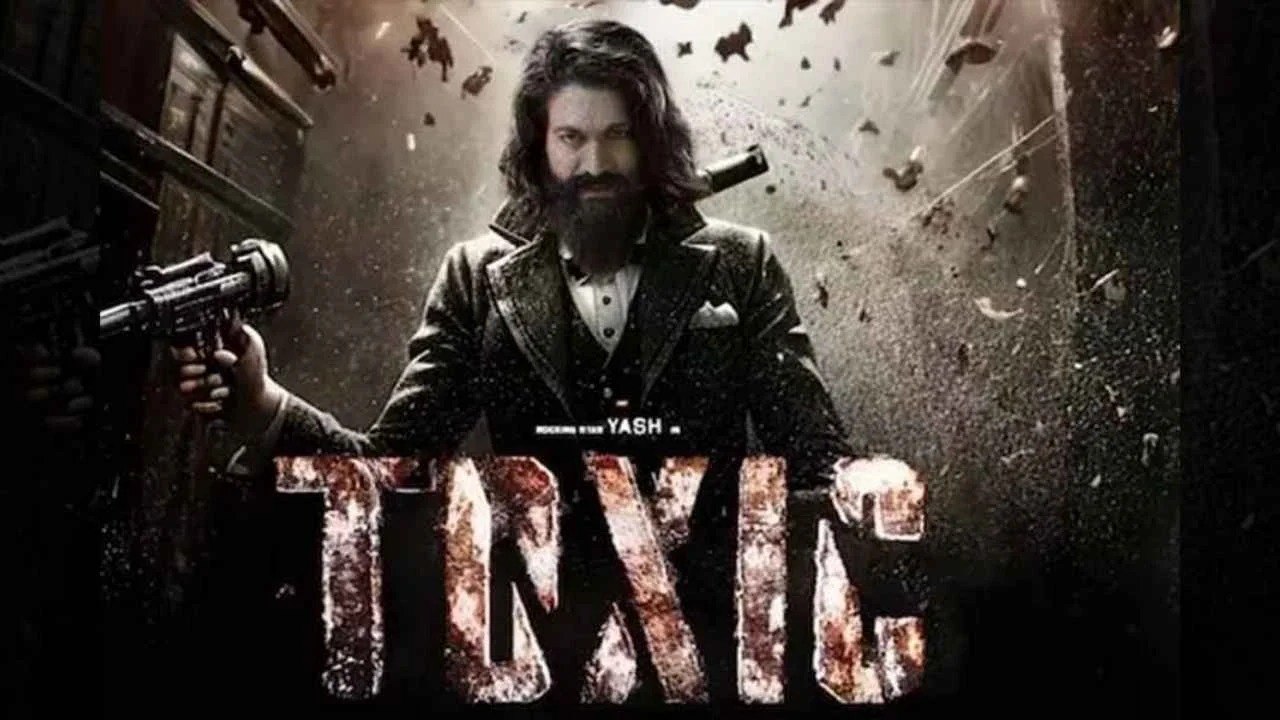
After a prolonged hiatus following the monumental success of "KGF Chapter 2," superstar Yash’s return to the silver screen with "Toxic: A Fairy Tale for Grown-ups" was met with immense anticipation. Fans and cinephiles across India eagerly awaited his next move, hoping for another groundbreaking cinematic experience. However, the initial reception suggests that "Toxic" falls short of these towering expectations, presenting a narrative that struggles to find its footing amidst ambitious visual flair.
The film, helmed by Geetu Mohandas, was positioned as a significant gangster drama, promising a fresh perspective and a strong female gaze. Yet, the final product appears to be a frustrating blend of commercial sensibilities and experimental direction, resulting in a movie that often feels caught between two worlds, failing to fully commit to either.
A Vision Divided
"Toxic" centers around Raya, one of the characters portrayed by Yash, who serves as the central pillar of the convoluted plot. While the film attempts to weave a complex tapestry of relationships and motivations, the narrative often gets buried under rapid-fire edits and an overabundance of ideas. Conversely, moments where the director attempts to slow down and explore emotional depth frequently lose audience engagement, as these sentiments often feel unearned within the broader story.
The core conflict within the film’s execution lies in the uneasy alliance between Yash’s established commercial appeal and Geetu Mohandas’s more eccentric, experimental directorial style. This clash of visions prevents "Toxic" from achieving a cohesive identity, leaving viewers questioning its genre and ultimate purpose. It dabbles in elements of gangster drama, emotional saga, and psychological thriller, but never fully masters any single one.
Performances Amidst Narrative Turbulence
Despite the film’s narrative shortcomings, Yash delivers a commendable performance, showcasing his range beyond the typical swagger and mass dialogues. His portrayal of Raya, and particularly a standout sequence involving an intense emotional confrontation between Raya and his alter ego, Ticket, highlights his serious acting prowess. This dual role allows Yash to truly shine, demonstrating a depth that transcends the film’s overall inconsistencies.
The action sequences, especially those choreographed by JJ Perry, emerge as significant strengths. The ambush on Raya at Nadia’s circus is particularly inventive and visceral, leveraging Yash’s widely publicized weapons training. This sequence offers a refreshing departure from more conventional action choreography, hinting at the potential for a more dynamic and engaging experience that the rest of the film struggles to maintain.
Visual Splendor, Narrative Gaps
Visually, "Toxic" is undeniably stunning. Rajeev Ravi’s cinematography, coupled with the meticulous work of production designer TP Abid and art directors Mohan B Kere and Sandeep G Sharma, creates a breathtaking aesthetic. Every frame is crafted with precision, contributing to a spectacular visual experience that is hard to fault on its own merits.
However, this visual beauty often exists in isolation, failing to consistently enhance the story, characters, or emotional arcs. The film’s aesthetics, while impressive, frequently do not serve a deeper narrative purpose, leading to a disconnect between what is seen and what is felt. This emphasis on style without corresponding substance becomes a recurring criticism.
The Unfulfilled Promise of Agency
The supporting cast, featuring talents like Nayanthara, Kiara Advani, Rukmini Vasanth, Huma Qureshi, and Tara Sutaria, delivers impressive performances despite being constrained by the writing and direction. Nayanthara, as Ganga, is particularly impactful, bringing an inherent strength to her underutilized role. Her ability to convey a storm of emotions with a poker face underscores the missed opportunity to give her character more agency.
Kiara Advani navigates a discernible character arc effectively, while Rukmini Vasanth shares an interesting chemistry with Yash, though her character’s potential remains largely unexplored. The film was pitched as a gangster drama with a strong female perspective, promising characters who would stand on equal footing with the protagonist. Regrettably, this promise largely goes unfulfilled, as the women, despite being played by industry stalwarts, often remain peripheral to Raya’s dominant narrative.
Editing and Pacing Concerns
A significant point of contention lies in the film’s editing. Editor Ujwal Kulkarni’s choices, characterized by random and abrupt cuts, often disrupt the narrative flow and viewer immersion. While directorial decisions ultimately guide the editing process, the distracting nature of these transitions within the first fifteen minutes makes it challenging to remain engaged throughout the film’s extensive runtime. This lack of seamless storytelling further contributes to the sense of a disjointed cinematic experience.
Editorial Context
The reception of "Toxic" carries significant implications for several key figures and the broader Indian film industry. For Yash, this film marks a crucial juncture after the unprecedented success of the "KGF" franchise. A mixed or disappointing outcome could influence his future project selections and the trajectory of his pan-Indian appeal, especially with another major project like "Ramayana" on the horizon. It highlights the immense pressure on stars to consistently deliver after a mega-hit, and the risks involved in venturing into experimental territory.
For director Geetu Mohandas, known for critically acclaimed works like "Moothon" and "Liar’s Dice," "Toxic" represents a foray into a much larger commercial canvas. Its mixed reception raises questions about the challenges of balancing artistic vision with mainstream expectations and the complexities of managing a high-budget, multi-starrer production. This outcome could shape perceptions of her ability to helm large-scale commercial ventures moving forward.
Furthermore, "Toxic" underscores a recurring challenge in contemporary Indian cinema: the ambition to create visually grand, pan-Indian spectacles that sometimes sacrifice narrative cohesion and character depth for stylistic flourishes. The film’s failure to fully integrate its stunning visuals with a compelling story, and its inability to deliver on the promise of a truly empowering female gaze, serves as a cautionary tale for filmmakers aiming to blend diverse cinematic sensibilities without a clear, unified vision. It emphasizes that even with star power and grand scale, substance remains paramount for long-term impact and audience satisfaction.
TL;DR
- Yash’s performance, particularly in his dual role, is a standout despite the film’s overall flaws.
- "Toxic" is widely criticized for prioritizing visual style over narrative substance and emotional depth.
- Director Geetu Mohandas’s vision is seen as unclear, struggling to balance commercial and experimental elements.
- The film’s strong supporting cast, including Nayanthara and Kiara Advani, is largely underutilized, failing to deliver on the promised ‘female gaze’.
- Editing choices are frequently described as abrupt and distracting, hindering narrative flow and viewer engagement.
- "Toxic" ultimately fails to cohere its ambitious ideas, leaving audiences with a sense of unfulfilled potential.