An American beer brand, Pabst Blue Ribbon, has found itself at the center of an unusual saga after a staggering 40,000 pounds of its product vanished from a distribution center in California. Rather than solely relying on traditional law enforcement channels, the company has taken to social media with a peculiar appeal, offering the alleged thief a limited window to return the massive haul without facing questions.
The incident, which occurred on August 17 at an Anheuser-Busch distribution center in Montclair, California, involved the theft of approximately 34,000 cans of beer. Police reports indicate that two separate cargo thefts took place on that day, with perpetrators allegedly using fraudulent documentation to collect the valuable shipments, highlighting a sophisticated method of operation rather than a simple smash-and-grab.
The Unconventional Plea
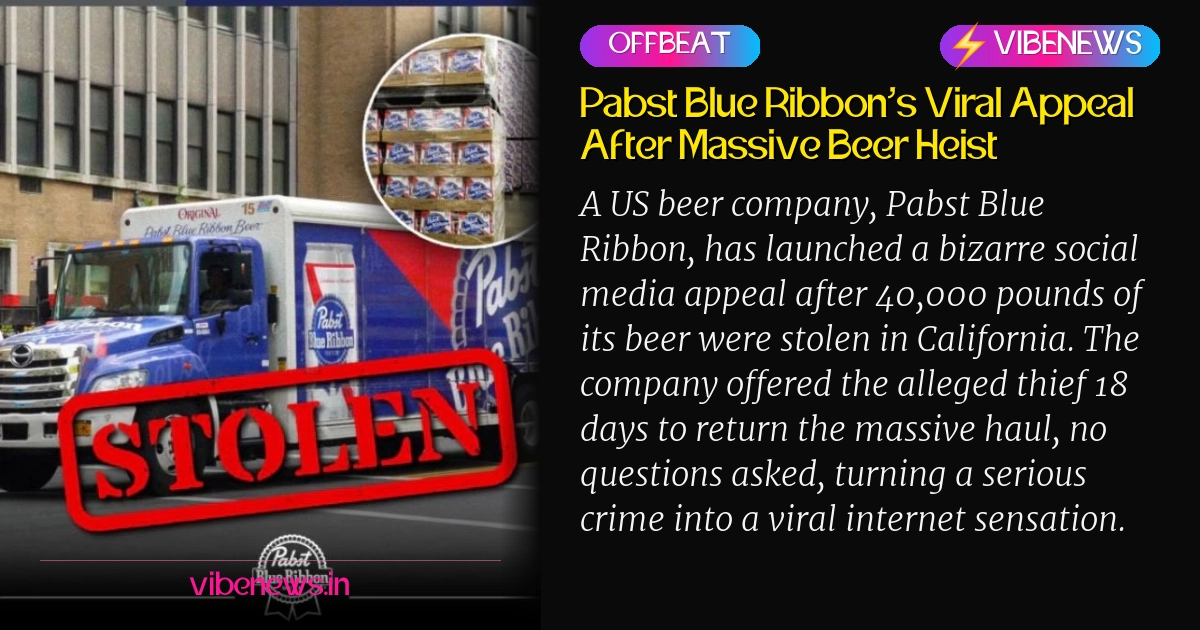
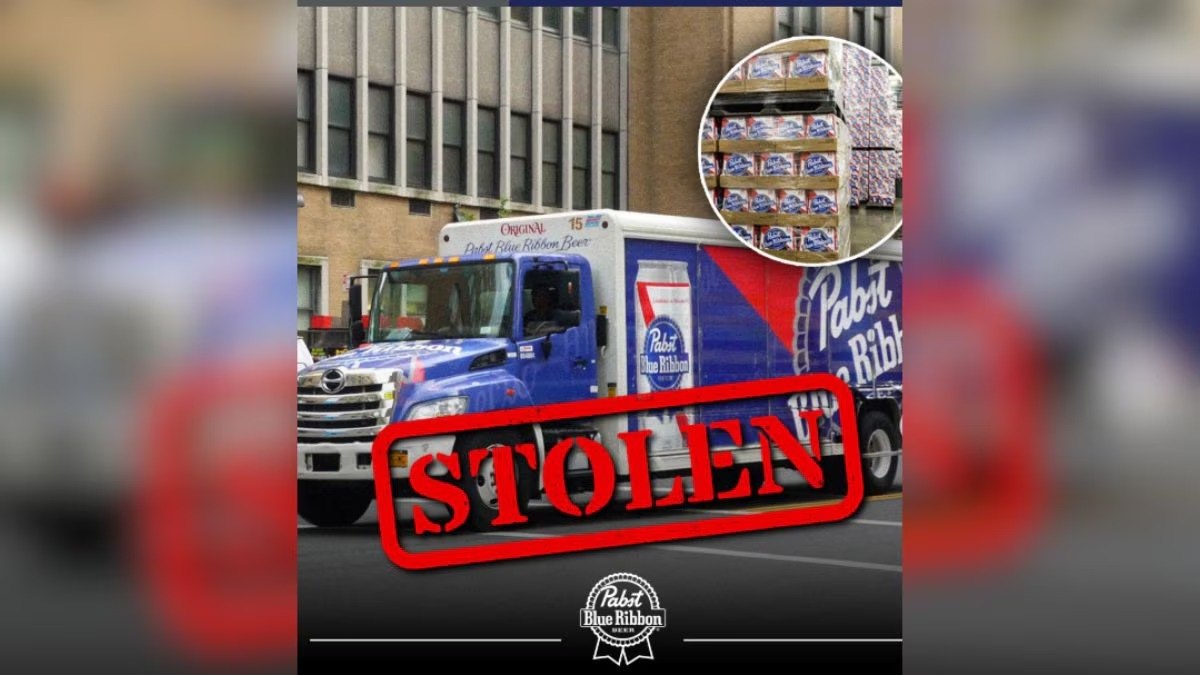
Pabst Blue Ribbon’s Instagram post quickly garnered widespread attention, featuring an image of a delivery truck emblazoned with the word “STOLEN.” The accompanying caption, however, blended a serious plea with a touch of the brand’s characteristic irreverence. The company directly addressed the thief, stating, "we don’t fault you for wanting to brag to your friends how much PBR you have, we just wish you obtained it the honourable way."
The appeal set an exact deadline: 18 days and 44 minutes for the return of the truckload of beer, promising "no questions asked." To further incentivize assistance, Pabst also announced a reward for anyone who could provide information leading to the recovery of the missing shipment. Anticipating skepticism, the company added a firm disclaimer: "P.S. this is real and we are deadly serious," underscoring the genuine nature of their predicament despite the lighthearted tone.
Echoes of Past Heists
The bizarre nature of the beer theft resonated with many online users, drawing parallels to another high-profile food heist earlier in the year. That incident involved the disappearance of nearly 12 tonnes of KitKat chocolate in Europe, specifically over 400,000 bars stolen from a truck en route from Italy to Poland. The KitKat theft also became an internet sensation, prompting the chocolate brand to launch its own public campaign to locate the missing confectionery.
When Pabst posted about its missing beer, KitKat itself joined the conversation, commenting with a knowing response: "I know a thing or two about these kinds of things." This interaction further fueled the viral spread of the story, turning a serious crime into a shared online experience. The comment section of Pabst’s post quickly transformed into a forum for humorous speculation and witty remarks, with users joking about consuming the entire haul or the potential weight reduction if it had been "Pabst Light."
The Broader Landscape of Cargo Theft
While the Pabst Blue Ribbon incident has a humorous veneer due to the company’s unique response, cargo theft remains a significant and costly problem for businesses globally. Such crimes often involve organized networks and sophisticated tactics, ranging from identity theft and fraudulent paperwork, as seen in this case, to direct hijacking. The stolen goods, particularly high-demand consumer products like alcohol, are typically diverted to illicit markets, making their recovery challenging and impacting supply chain integrity.
The economic impact of cargo theft extends beyond the immediate loss of goods, affecting supply chains, insurance costs, and ultimately, consumer prices. Companies invest heavily in security measures, but the ingenuity of thieves continues to pose a persistent threat. The use of fraudulent documentation, as alleged in the Montclair incident, highlights a growing trend where criminals exploit administrative vulnerabilities rather than relying solely on brute force. This method allows thieves to appear legitimate, often driving off with valuable cargo without raising immediate suspicion, only for the theft to be discovered much later.
Brand Engagement in a Digital Age
Pabst Blue Ribbon’s approach to this theft is a prime example of how modern brands are adapting their communication strategies for the digital era. In an age where social media dictates public perception and engagement, a traditional press release might have gone unnoticed. By crafting a message that is both authentic to its brand identity and inherently shareable, Pabst has managed to transform a potentially damaging incident into a viral marketing moment.
This strategy not only seeks to recover the stolen product but also strengthens brand loyalty and visibility. The playful yet serious tone resonates with a younger, digitally-native audience, fostering a sense of community involvement in a real-world problem. It demonstrates a willingness to engage directly with the public, even in unconventional circumstances, which can significantly enhance a brand’s image and relevance.
Editorial Context
This development transcends a mere report of stolen goods; it offers a compelling insight into the evolving dynamics of corporate communication and public engagement in the digital age. Pabst Blue Ribbon’s decision to leverage social media with a blend of humor and urgency demonstrates a modern approach to crisis management and brand interaction. Instead of a purely formal statement, the company chose a strategy that not only seeks to recover its product but also generates immense brand visibility and public goodwill.
The viral nature of the appeal underscores the power of the internet to amplify stories and potentially aid in investigations, even for crimes of this scale. It also highlights how brands are increasingly comfortable breaking traditional corporate molds to connect with their audience on a more personal, relatable level. Over the long term, this incident could serve as a case study for how companies can turn adversity into an opportunity for unique brand storytelling and community involvement, blurring the lines between marketing, public relations, and even crime resolution. It showcases a shift where public participation, often driven by curiosity and entertainment, can become an unexpected asset in addressing real-world challenges.
TL;DR
- Pabst Blue Ribbon beer company reported 40,000 pounds (almost 18,000 kgs) of beer stolen from an Anheuser-Busch distribution center in Montclair, California.
- The company launched a viral social media appeal, offering the alleged thief 18 days and 44 minutes to return the beer "no questions asked" and a reward for information.
- The theft, involving approximately 34,000 cans, occurred on August 17, with perpetrators allegedly using fraudulent documentation to collect the shipments.
- The incident drew comparisons to a similar 12-tonne KitKat chocolate heist in Europe earlier this year, with KitKat itself commenting on Pabst’s post.
- Pabst’s unconventional approach has generated significant online attention and humorous public engagement, blending a serious attempt to recover stolen goods with brand-specific humor.
- The event highlights modern brand communication strategies, demonstrating how social media can be leveraged for crisis management, public engagement, and potentially aiding in crime resolution.