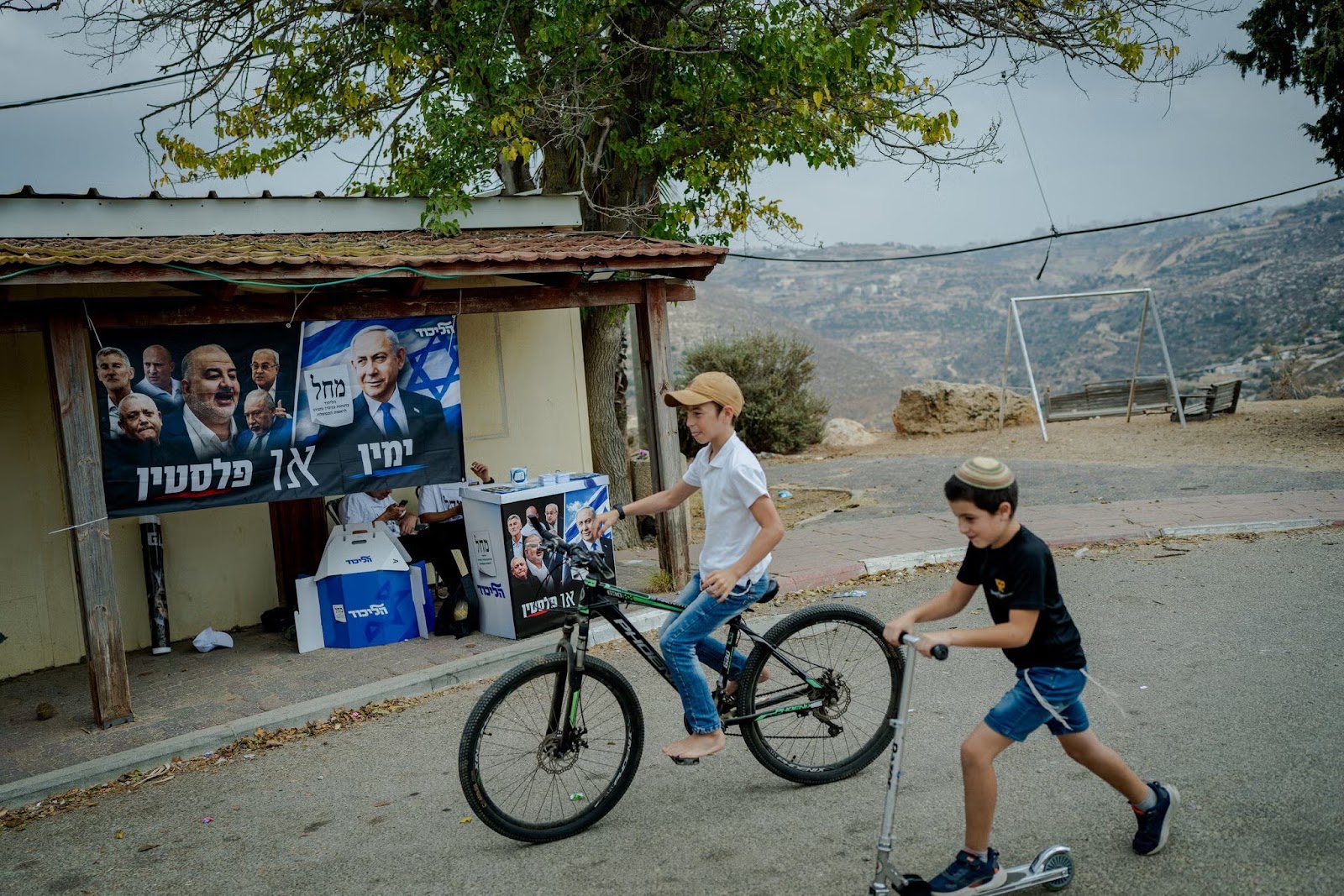
Israel’s Tuesday election became the country’s first referendum on its leadership, with Prime Minister Benjamin Netanyahu at the center, after years of war, growing international isolation and domestic upheaval, including a fight over a proposed judicial overhaul.
Israel’s election on Tuesday was the country’s first referendum on its leadership, in particular Prime Minister Benjamin Netanyahu, after years of war, growing international isolation and domestic upheaval.
Election data finalized on Thursday, with more than five million ballots counted, offers a clearer picture of how that turbulence shaped the vote. The data shows that prewar voting patterns largely held, and in some places the war appears to have changed very little at the ballot box.
Border towns that were bombed still backed Likud
The most striking result comes from the communities along Israel’s borders with Gaza and Lebanon. Many of them suffered heavy damage during and after the Hamas-led attack on October 7, 2023, and through repeated rounds of fighting with the Lebanese militia Hezbollah. Yet they voted much as they had before the war.
The two largest cities in those areas, Kiryat Shmona near Lebanon and Sderot near Gaza, maintained their traditional support for Netanyahu’s Likud party. Likud also dominated the vote in several smaller villages along the Lebanon border, where residents spent many months under evacuation.
The pattern repeated in Ashkelon and Ofakim. Both are longtime Likud strongholds close to Gaza, and both were hit hard by Hamas. For voters who lived through evacuations and attacks, the data suggests the security argument still outweighed their anger.
The wealthiest towns turned away from Netanyahu
The opposite story played out in Israel’s highest-income towns and cities. Nearly all of them are predominantly secular Jewish communities, many clustered around Tel Aviv. For years they have been strongholds for center-left parties, and the finalized numbers show that support for Netanyahu fell in these areas.
The split is stark. A prime minister who held firm in the war-scarred frontier towns lost ground in the richest parts of the country, where the political debate over the judicial overhaul and the country’s direction has been most intense.
Taken together, the border results and the wealthy-town results show a country divided not only by ideology but by how directly the war reached people’s doorsteps. The vote suggests that proximity to the fighting did not push voters away from Likud, while affluence and a secular identity did.
For readers in Israel and abroad, the finalized count is a reminder that a referendum on a leader can produce very different verdicts from neighboring communities that have lived through the same years.
TL;DR
- Israel’s election was the country’s first referendum on Prime Minister Benjamin Netanyahu after years of war and domestic upheaval.
- Finalized data from more than five million counted ballots shows prewar voting patterns largely held in border communities.
- Kiryat Shmona and Sderot, the two largest border cities, kept their traditional support for Netanyahu’s Likud party.
- Likud also dominated several smaller Lebanon-border villages where residents spent many months under evacuation.
- Support for Netanyahu fell in Israel’s wealthiest towns, many around Tel Aviv, long strongholds for center-left parties.