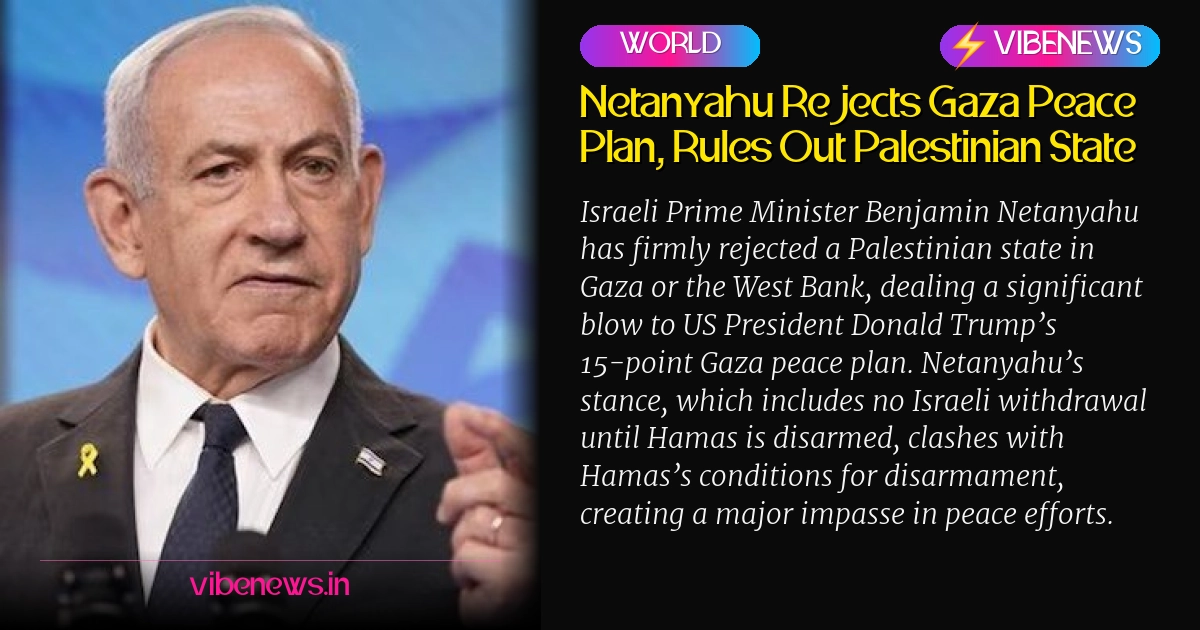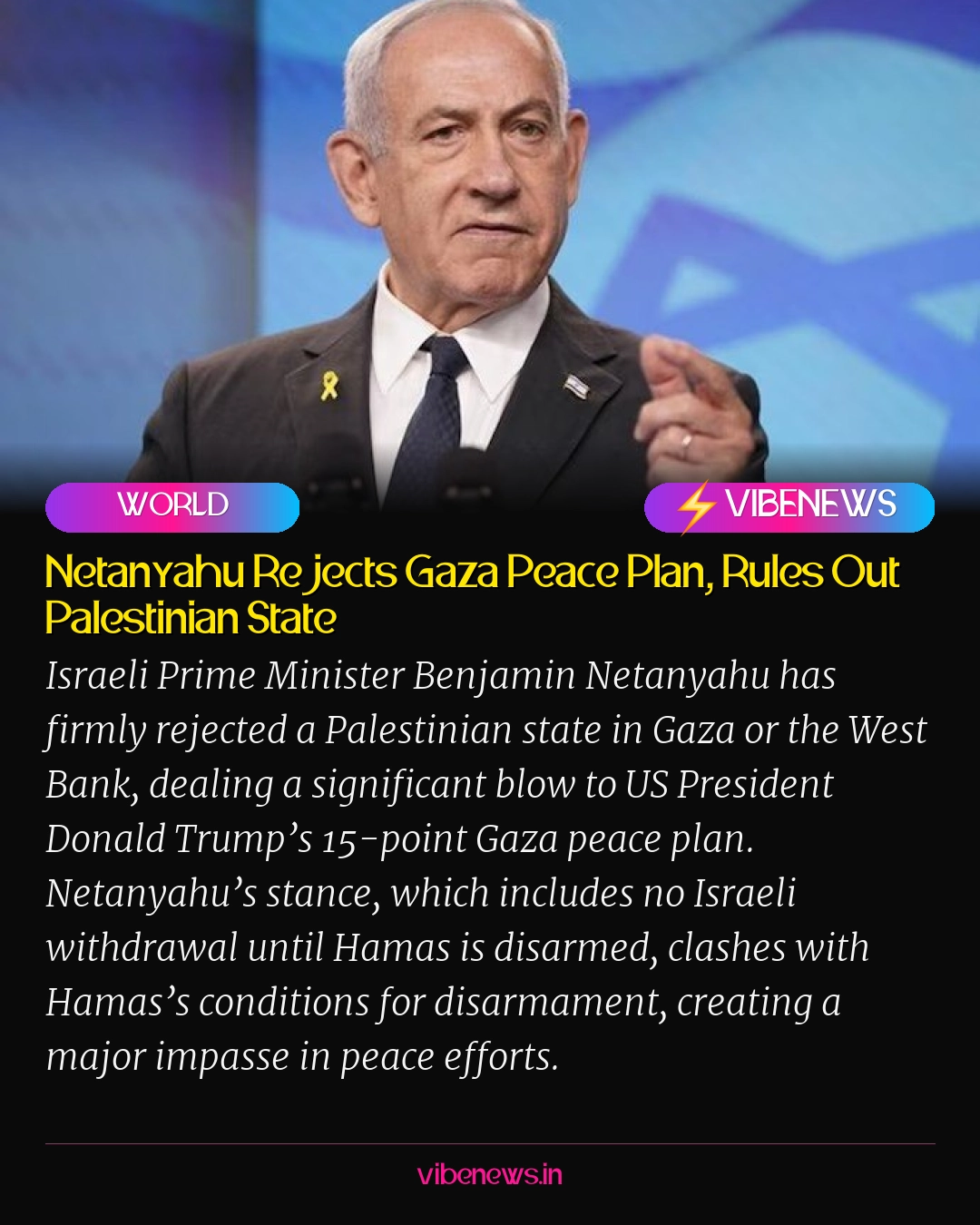
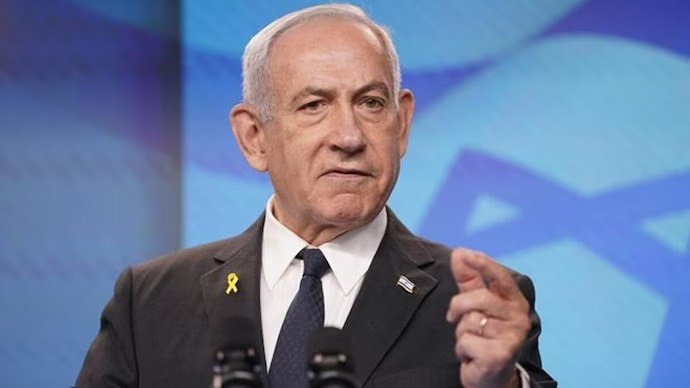
Israeli Prime Minister Benjamin Netanyahu has unequivocally rejected the establishment of a Palestinian state in either Gaza or the West Bank, delivering a significant setback to US President Donald Trump’s proposed 15-point Gaza peace plan. Netanyahu’s declaration, made public on Sunday, directly contradicts the broader aspirations for a two-state solution, a cornerstone of international efforts to resolve the decades-long Israeli-Palestinian conflict.
The Prime Minister’s firm stance also includes a refusal to withdraw Israeli forces from Gaza until Hamas is completely disarmed. This position reinforces earlier statements from Israeli officials and underscores a deep chasm between Israel’s security imperatives and the conditions laid out in the US-backed roadmap.
Netanyahu’s remarks followed a period where President Trump had optimistically hailed the roadmap as a "major milestone" and a "great breakthrough." However, an Israeli political source indicated that discussions regarding Gaza were notably absent during Netanyahu’s recent meeting with Trump in Washington, raising questions about the true alignment between the two leaders on the plan’s implementation.
Meanwhile, Hamas has reiterated its commitment to the roadmap, which was reportedly agreed upon with mediators and representatives of Trump’s Peace Council in Cairo. However, the Palestinian militant group insists that Israel must first fulfill its own obligations before any progress can be made on disarmament.
Senior Hamas official Basem Naim stated that the group expects international mediators and the United States to exert pressure on Netanyahu’s government to adhere to the agreed roadmap. Hamas maintains that the initial step towards any agreement must involve an Israeli commitment to cease attacks and fulfill earlier ceasefire obligations.
Ghazi Hamad, another key Hamas negotiator, acknowledged the potential for a "difficult and painful" agreement but firmly rejected immediate disarmament. He emphasized that Israel must first implement the initial phase of the Sharm el-Sheikh agreement, which includes ending attacks, withdrawing forces to previous positions, and facilitating increased humanitarian aid and goods into Gaza.
Only after these preliminary steps, Hamas asserts, would it consider placing its weapons under the control of the National Committee for the Administration of Gaza. This technocratic Palestinian body is envisioned to govern the enclave during a transitional period.
The Trump administration’s 15-point roadmap itself outlines a phased approach designed to end the Gaza conflict. It proposes the disarmament of armed groups, the withdrawal of Israeli forces, and the transfer of governance to a Palestinian technocratic body. The plan also calls for the identification and control of heavy weapons, arms depots, military sites, and tunnels by this committee.
A crucial element of the roadmap involves the deployment of an international stabilization force. This force would be tasked with separating Israeli troops from Palestinian-administered areas and monitoring the agreement’s implementation. Subsequent phases include the staged withdrawal of Israeli forces and the commencement of reconstruction and public service restoration under international supervision.
The roadmap also includes provisions for a longer-term political process, ultimately aiming for Palestinian self-determination and the establishment of a Palestinian state. However, Netanyahu’s recent statements directly undermine this long-term vision, creating a fundamental obstacle to the plan’s viability.
The core impasse remains stark: Israel demands Hamas’s complete disarmament before any troop withdrawal, while Hamas insists on Israel halting its attacks and initiating withdrawals as a prerequisite. This fundamental disagreement has historically plagued peace efforts and continues to be the primary hurdle.
The widening gap between Israel’s position and the US-backed roadmap has also prompted a rare, unified response from several Muslim-majority nations. The United Arab Emirates, Qatar, Jordan, Indonesia, Pakistan, Turkiye, Saudi Arabia, and Egypt jointly condemned Israel’s ongoing military operations in Gaza.
In a collective statement, these eight countries warned that Israel’s actions could derail efforts to implement the next phase of the peace plan, especially after Palestinian factions had reportedly accepted its framework. This show of unity among nations with often divergent approaches to Israel highlights the gravity of the current situation and the widespread concern over escalating tensions.
The foreign ministers collectively cautioned that continued Israeli military action risks undermining the political process, potentially triggering renewed escalation and exacerbating the already severe humanitarian crisis within Gaza. Their statement underscores the international community’s apprehension regarding the fragility of peace prospects in the region.
Editorial Context: The Enduring Stalemate and Future Prospects
The Israeli Prime Minister’s outright rejection of a Palestinian state, coupled with the conditional acceptance from Hamas, signifies more than just a temporary setback for a specific peace plan. It represents a profound deepening of the long-standing impasse in the Israeli-Palestinian conflict, with significant implications for regional stability and international diplomacy.
This development effectively dismantles the immediate prospects for a US-brokered resolution, pushing the vision of a two-state solution further out of reach. For Palestinians, the establishment of an independent state is a fundamental right and a core demand, while for Israel, security concerns, particularly regarding Hamas, remain paramount. The current positions of both sides appear irreconcilable without significant external pressure or a fundamental shift in internal politics.
The coordinated condemnation from a diverse group of Muslim-majority nations also signals a potential shift in regional dynamics. It suggests a growing impatience with the lack of progress and a willingness to exert collective diplomatic pressure. Over the long term, the failure of this peace initiative could lead to increased radicalization, prolonged humanitarian suffering in Gaza, and a further erosion of trust in international mediation efforts. The path forward now appears more complex and fraught with peril than ever before, demanding a re-evaluation of strategies by all stakeholders.
TL;DR
- Israeli Prime Minister Benjamin Netanyahu has rejected the establishment of a Palestinian state in Gaza or the West Bank, undermining a key tenet of international peace efforts.
- Netanyahu also stated that Israel would not withdraw its forces from Gaza until Hamas is fully disarmed, a condition Hamas has not agreed to immediately.
- Hamas has committed to the US-backed roadmap but insists Israel must first halt attacks, withdraw forces, and allow humanitarian aid before considering disarmament.
- The Trump administration’s 15-point peace plan proposed a phased approach including disarmament, Israeli withdrawal, and governance by a Palestinian technocratic body.
- Eight Muslim-majority nations, including the UAE, Saudi Arabia, and Turkiye, issued a joint statement condemning Israel’s military actions and warning they could derail peace efforts.
- The core impasse remains Israel’s demand for Hamas disarmament versus Hamas’s insistence on Israeli concessions as prerequisites for any agreement.