Legal Showdown Over Expanded Public Charge Rule
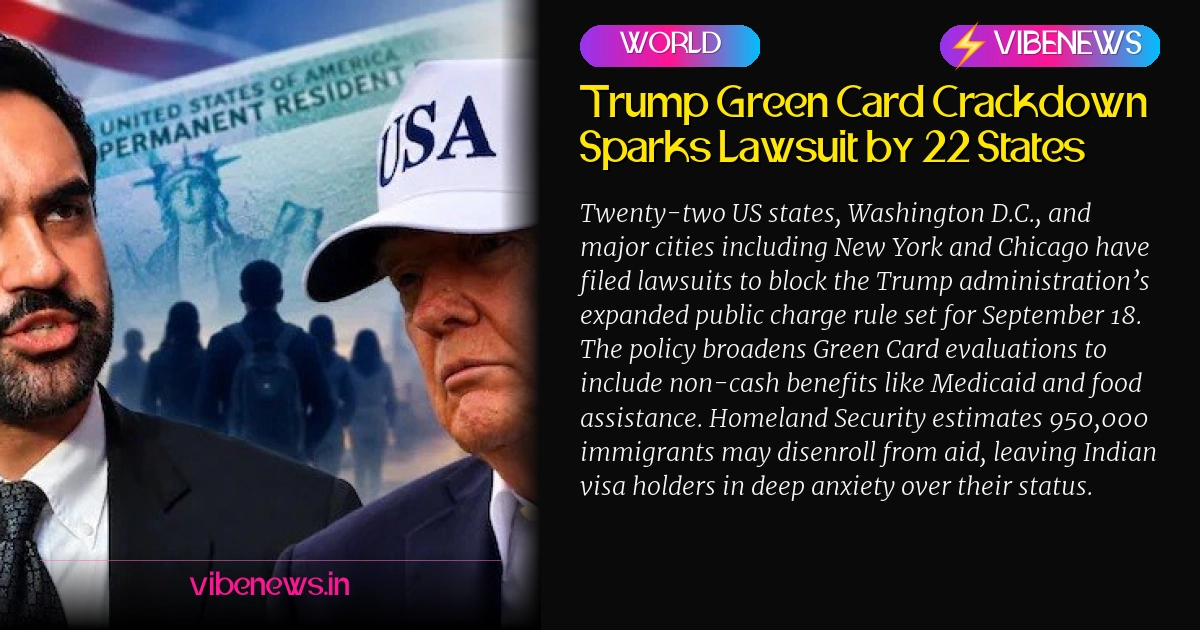
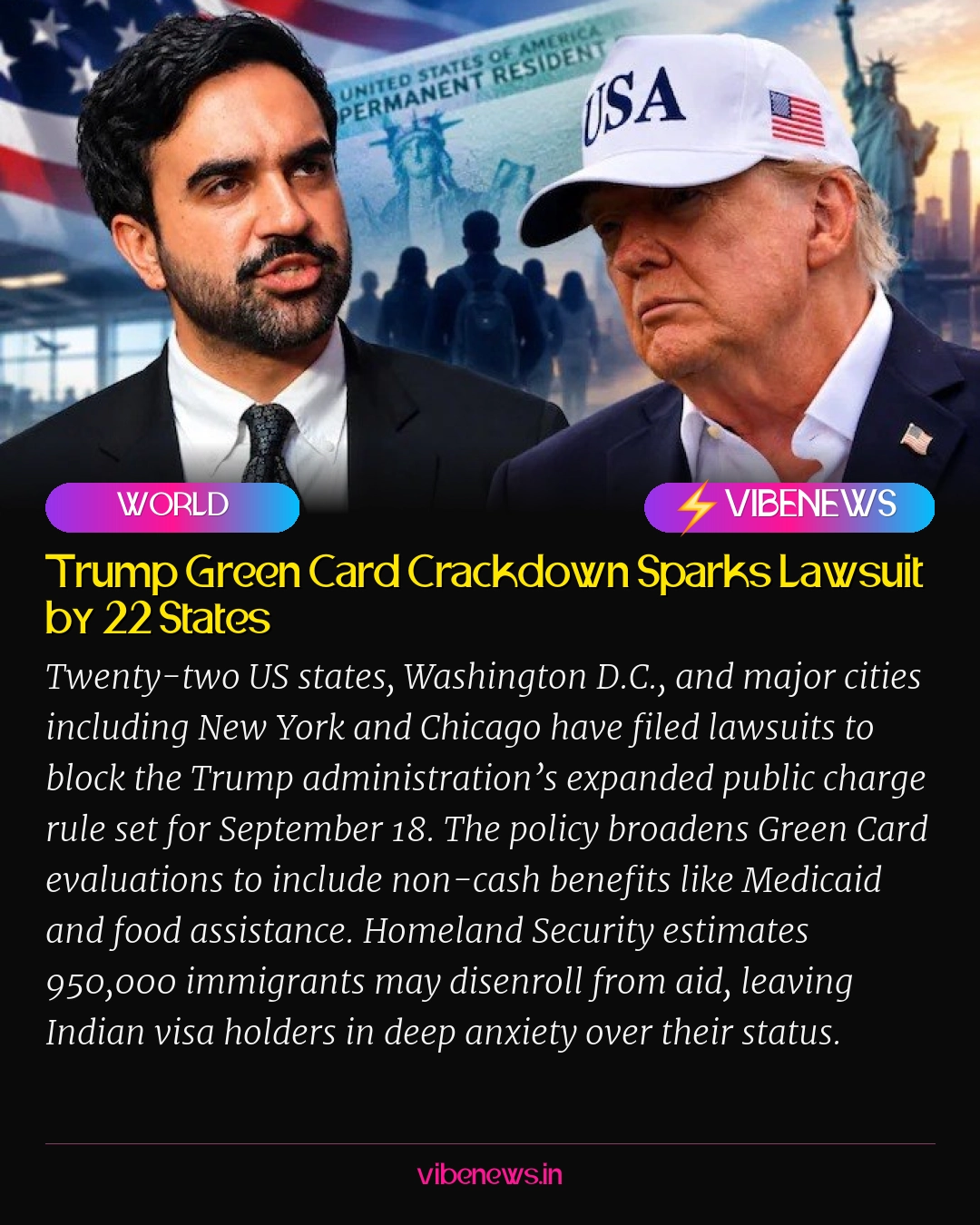
Twenty-two U.S. states and Washington D.C. filed a legal challenge on Monday, September 14, seeking to block a Trump administration immigration policy scheduled to take effect on Friday, September 18.
The controversial shift broadens the historical "public charge" rule, allowing federal officers to weigh an applicant’s use of non-cash government safety nets when determining Green Card eligibility. For millions of temporary visa holders living across the United States, the announcement has triggered a wave of acute anxiety, threatening to turn necessary health and nutritional support into a barrier against permanent residency.
A Two-Pronged Legal Assault
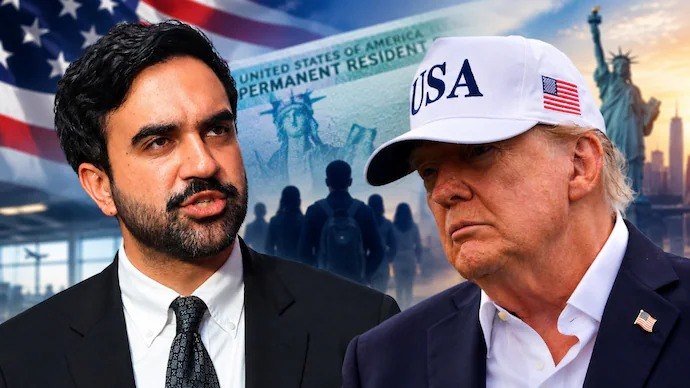
The legal opposition against the federal rule is unfolding across two distinct courtroom battles. Alongside the coalition of 22 states and the District of Columbia, New York City Mayor Zohran Mamdani is leading a joint suit representing major metropolitan centers, including Chicago, San Francisco, and Seattle. Opponents contend that the standard is legally flawed and economically damaging.
"The policy was already prompting some families to avoid benefits, including food assistance, healthcare and affordable housing, even when US-citizen children in those families were legally eligible for such programmes," Mayor Zohran Mamdani said during a press conference on Monday.
State officials argue that the administrative shift creates severe ripple effects, placing immediate strain on emergency rooms, public health networks, and local municipal budgets as residents decline preventative medical care out of sheer terror over their immigration prospects.
Resurrecting Broader Restrictions
The policy revives an aggressive approach first introduced during President Trump’s initial term in office. Under the subsequent Biden administration, immigration officers evaluated only specific cash benefits, such as Supplemental Security Income, when determining whether an applicant was primarily dependent on government assistance. The newly reinstated framework brings non-cash benefits back into the analytical fold, explicitly placing Medicaid coverage and food assistance under regulatory scrutiny.
Immigration officials will now hold expanded discretion to assess whether utilizing these safety nets demonstrates a likelihood of future reliance on state resources. Internal projections from the Department of Homeland Security reveal that roughly 950,000 individuals may un-enroll or avoid signing up for public benefits altogether to safeguard their legal status in the country.
Mounting Anxiety for Indian Immigrants
For Indian nationals residing in the U.S., the policy adds yet another layer of systemic uncertainty to an already arduous journey. Indian professionals navigating employment-based green card pathways frequently endure decades of waiting in temporary visa statuses due to severe backlog limits. The expanded scrutiny leaves many fearful that routine, legally permitted assistance—even when claimed on behalf of American-born citizen children—could become an unforeseen liability during formal Green Card interviews.
Lawyers and immigrant advocates note that while the policy does not mandate automatic Green Card rejections for benefit recipients, the lack of clarity forces families into impossible dilemmas. Applicants now worry that every interaction with public assistance programs will require extensive documentation, legal justification, or formal explanation before immigration officers.
Federal Defense and Administrative Strategy
The Trump administration and the Department of Homeland Security have firmly defended the rule, framing it as a necessary measure to safeguard public financial resources and enforce long-standing legal principles. DHS officials assert that individuals seeking permanent residency in the United States must prove their ability to remain self-sufficient rather than leaning on taxpayer-funded programs.
Pushing back against the lawsuits, DHS dismissed the challenging jurisdictions as "sanctuary states," alleging their opposition is driven by concern over diminishing federal funding streams rather than legal merit. The battle highlights a broader executive strategy designed to tighten legal immigration controls by making daily life increasingly burdensome for foreign nationals navigating uncertain immigration statuses.
TL;DR
- Twenty-two US states and Washington D.C. sued to block the Trump administration’s Green Card public charge rule.
- New York City Mayor Zohran Mamdani is leading a second lawsuit alongside Chicago, San Francisco, and Seattle.
- The expanded rule permits immigration officials to evaluate non-cash benefits like Medicaid and food stamps.
- Homeland Security projects nearly 950,000 individuals could un-enroll from public assistance due to fear.
- Long-term Indian visa holders face heightened anxiety over how benefit usage will affect permanent residency.