Government Mounts Daily Oversight to Block UPI Surcharges
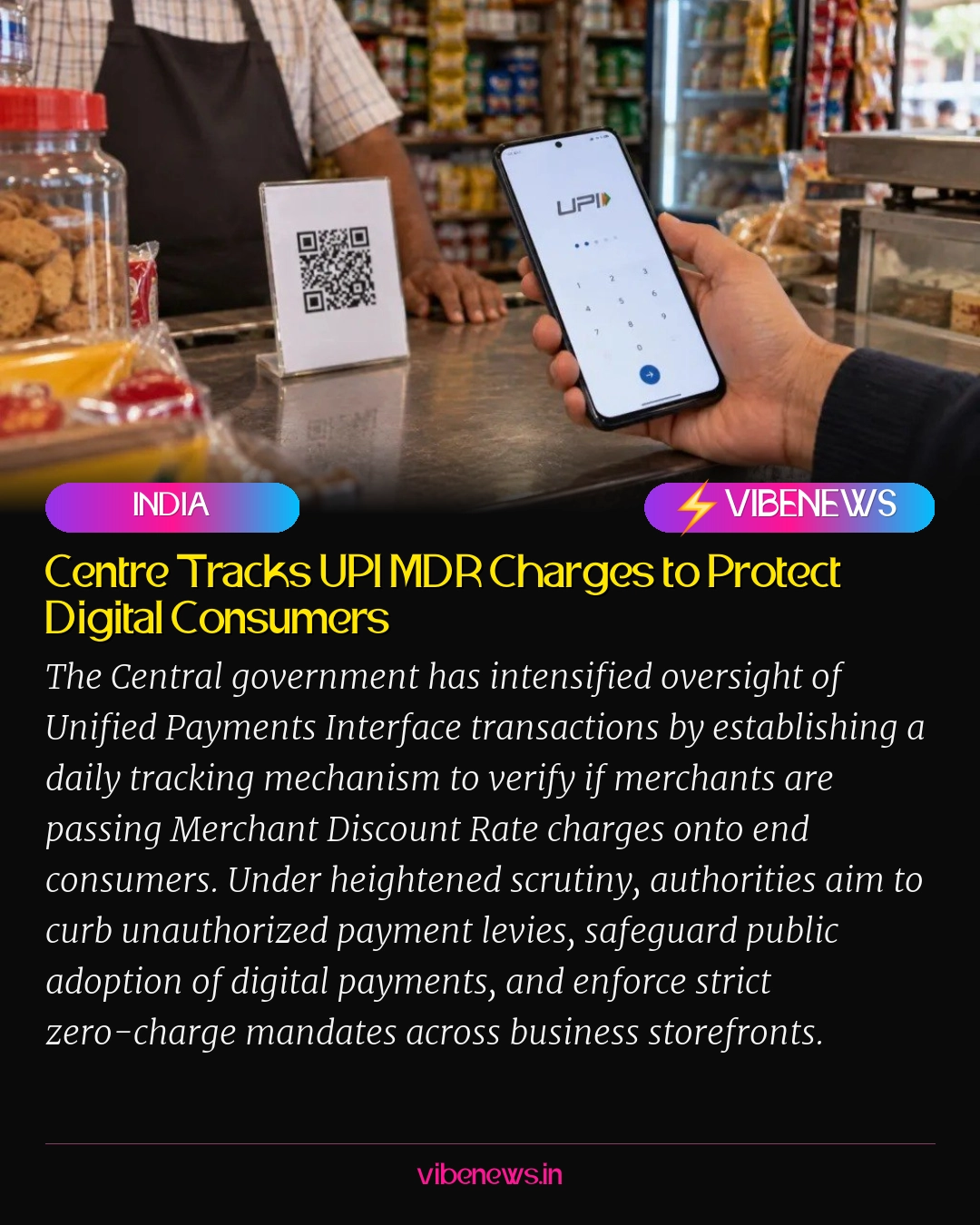
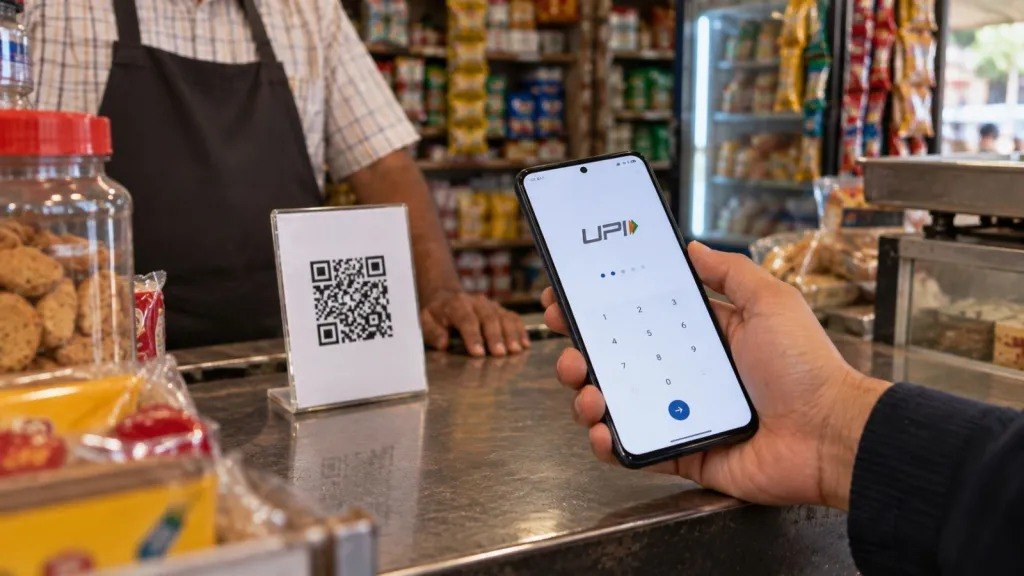
The Central government has instituted a daily tracking system to monitor payment aggregators and merchants, preventing Merchant Discount Rate (MDR) levies and unauthorized transaction fees from burdening retail UPI users across India. This regulatory initiative establishes active surveillance over digital transaction channels to ensure vendors do not shift payment operational costs onto everyday consumers.
Scrutinizing Merchant Surcharges and MDR Pass-Through
Under the revised oversight protocol, financial authorities and payment infrastructure administrators conduct daily audits of merchant settlement data and consumer transaction logs. The investigation focuses on identifying commercial entities that impose extra line-item charges, payment processing fees, or illegal surcharges on customer purchases completed via Unified Payments Interface handles. By auditing payment gateway records on a 24-hour cycle, regulatory bodies aim to detect compliance infractions in real time rather than relying on delayed periodic reviews.
The central enforcement strategy targets persistent vulnerabilities within vendor networks where small retailers and commercial businesses attempt to recoup payment processing costs. While zero-MDR regulations mandate that transactions processed through UPI incur no service fees for consumers or small merchants, recurring reports have highlighted instances of vendors applying unauthorized percentage add-ons during point-of-sale checkout. Federal regulators are analyzing these billing patterns to determine whether payment intermediaries, acquiring banks, or individual storefronts are driving non-compliant fee structures.
Enforcing Free Digital Transactions for End Users
To ensure digital payment infrastructure functions as a zero-cost public utility for citizens, oversight teams are evaluating settlement reporting from payment aggregators, fintech entities, and commercial banks. The daily monitoring network tracks transaction flows across both online merchant portals and physical point-of-sale terminals to prevent hidden service fees from eroding public trust in digital payments. Regulatory officials emphasize that systemic oversight is required to eliminate grey-market fee collection methods adopted by certain commercial operators.
"Digital payments must remain friction-free and cost-free for retail consumers, with strict regulatory mechanisms ensuring merchants do not transfer MDR or transaction surcharges onto end users."
Maintaining zero financial friction for consumers is regarded by financial policymakers as essential for preserving transaction volumes and digital adoption. When end users encounter unexpected fees during digital transactions, behavioral patterns frequently shift back toward physical cash, undermining years of financial inclusion efforts and fintech progress. The daily tracking framework provides regulatory agencies with immediate visibility into payment routing, allowing swift administrative intervention against payment processors or commercial establishments that default on zero-charge compliance guidelines.
Furthermore, payment aggregators are being required to submit standardized daily reporting logs detailing merchant transaction categories, fee structures, and settlement breakdowns. These submission protocols allow government monitoring units to cross-examine flagged transactions against established policy frameworks, identifying instances where processing costs are illegally re-routed as consumer-side convenience fees or handling surcharges.
Impact on High-Adoption Regions in Andhra Pradesh and Telangana
The heightened regulatory scrutiny holds notable relevance for Andhra Pradesh and Telangana, two states that consistently rank among the nation’s leaders in digital payment adoption and UPI transaction volume. In major commercial hubs such as Hyderabad, Visakhapatnam, Vijayawada, Guntur, and Warangal, retail ecosystems rely heavily on UPI QR code scanning for daily micro-transactions. Strict enforcement against unauthorized merchant surcharges protects millions of daily shoppers and small business patrons in the Telugu states from paying undisclosed transaction fees at neighborhood stores, supermarkets, and service outlets.
Strengthening Compliance Mechanisms and Regulatory Accountability
Regulatory action extends beyond passive observation to include active merchant categorization checks, payment gateway audits, and bank compliance reviews. Financial oversight bodies are working in close coordination with the National Payments Corporation of India (NPCI) and partner banking institutions to establish clear accountability frameworks across all operational tiers. Merchants found systematically levying unauthorized transaction fees risk losing access to registered payment gateway channels, alongside potential financial penalties and merchant onboarding suspensions imposed by acquiring banks.
As digital payment volumes continue to reach unprecedented milestones across India, government authorities emphasize that commercial growth must not come at the expense of retail end users. Daily surveillance protocols will remain active to ensure that payment gateways, acquiring entities, and commercial merchants adhere strictly to zero-MDR regulations, safeguarding the affordability, safety, and accessibility of India’s digital payment ecosystem.
TL;DR
- The government has implemented a daily tracking mechanism to monitor UPI fees and Merchant Discount Rate levies.
- Authorities are scrutinizing merchants attempting to pass transaction charges directly onto retail consumers.
- Zero-charge policies on UPI payments remain mandatory to ensure digital transactions stay free for the public.
- Regulatory enforcement aims to prevent unauthorized surcharge collection across offline and online business vendors.
- Daily monitoring ensures immediate detection of compliance violations regarding UPI payment processing fees.