Nagole police have booked a painting contractor in Fathullaguda for circulating an AI-generated photograph that falsely claimed a leopard was roaming near Bhashyam School, a case that rattled residents and pulled forest and police officials into a search for an animal that was never there.
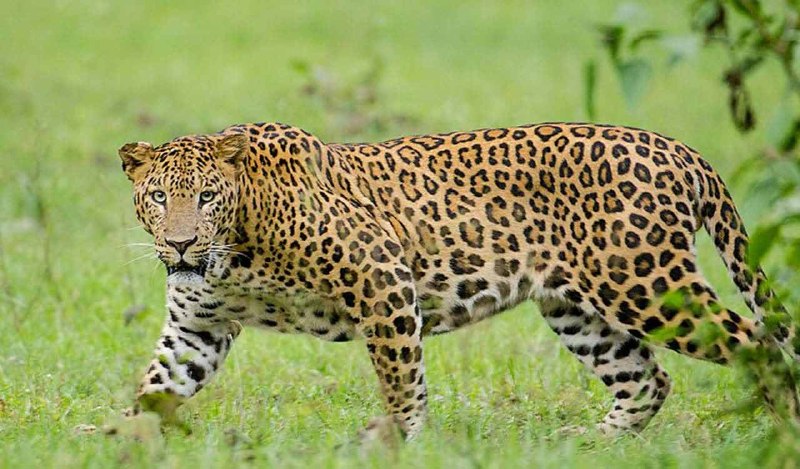
According to police, the man, identified as Sachin, is a native of Hubballi in Karnataka and works as a painting contractor in Fathullaguda near Nagole. On Saturday midnight, he allegedly sent his landlord a fake photograph created using ChatGPT. The picture showed a leopard, supposedly spotted near Bhashyam School in Fathullaguda.
The image did not stay private. It spread on social media and quickly caused fear among people living in the area. A photo of a big cat near a school is the kind of thing that gets forwarded without a second look, and that is exactly what happened here.
How the search for the leopard unfolded
Forest officials at the Uppal Forest Range office received information about the incident on Monday. Working with the Nagole police, they inspected the area. They found no evidence of leopard movement.
That finding changed the story. What had looked like a wildlife sighting became a question about who made the picture and why. Police examined the image and identified it as artificially generated. From there, the investigation moved from the forest to the person behind the post.
Why this matters for Hyderabad
This is a local story with a local impact. Fathullaguda sits near Nagole in Hyderabad, and the panic reached residents who were, by every account in the report, reacting to a threat that did not exist. A school in the neighbourhood was named in the claim, which made the rumour feel closer to home for families in the area.
The episode also shows how quickly a fabricated visual can become a public concern in Telangana. Residents saw a photo, assumed it was real, and passed it on. Forest and police staff then had to verify a claim that had no basis.
Police identified the image as artificially generated and took action against Sachin.
The action taken
Police did not send the man to court in this report. Instead, as the false information caused unnecessary concern among both forest and police officials, he was issued a notice, warned against such acts and sent away.
The outcome is measured, but the case is still a warning. A notice is a clear signal that the authorities treat fabricated alarms seriously, even when no animal is involved and no one is physically hurt.
The bigger problem with AI images
Generative tools now make convincing pictures in seconds. A user does not need photography skills, a camera or a real sighting. A text prompt is enough to produce an image that looks like a grainy phone shot of a wild animal near a school gate.
That ease is the danger. The image in this case did not need to be perfect to cause fear. It only needed to look plausible enough for people to react before checking. Once shared, it moved faster than the forest team could travel to the site.
The Fathullaguda incident shows that the harm from AI misinformation is not abstract. It falls on parents deciding whether to send children out, on residents deciding whether to stay indoors, and on officials whose time is diverted from genuine emergencies.
What readers should take from this
Before forwarding a dramatic photo of a wild animal, check where it came from. Look for an official confirmation from the forest department or the police. If an alert reaches your phone, the sensible first step is to wait for verification rather than adding to the spread.
The people who create these images may think of them as a prank or a joke. Police treated this one as a false claim that caused real concern. The message from this case is simple. Creating and circulating a fake image can bring legal trouble, even when the picture is made on a chatbot in a few minutes.
For now, the facts are clear. A leopard was not found near Bhashyam School. The photograph was AI-generated. A man from Karnataka who works in Fathullaguda has been booked and warned. The episode ends with an empty patch of ground, a notice on file and a neighbourhood that had to be reassured that the big cat was never there.
TL;DR
- Nagole police booked a man in Fathullaguda for circulating an AI-generated photo falsely showing a leopard near Bhashyam School.
- The image was made with ChatGPT and sent to a landlord before spreading on social media.
- Forest officials from the Uppal Forest Range inspected the area and found no evidence of leopard movement.
- Police identified the photo as artificially generated and issued the man a notice.
- The man, Sachin, a painting contractor from Hubballi, was warned against such acts and sent away.