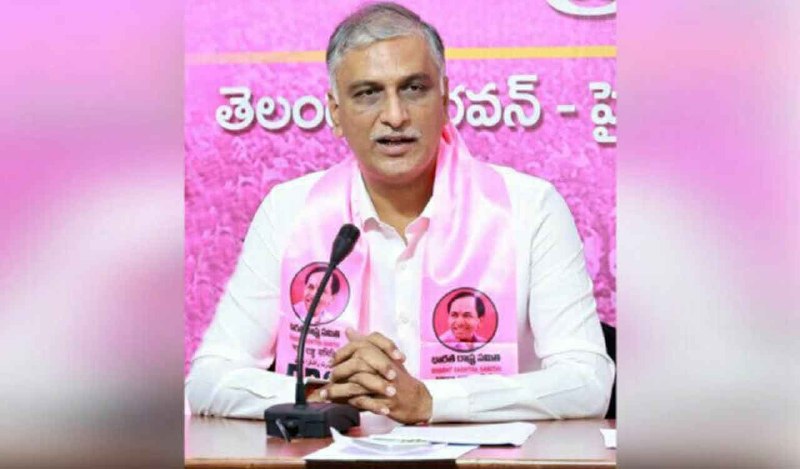
The Bharat Rashtra Samithi (BRS) has urged the select committee examining the Telangana Hate Speech and Hate Crimes (Prevention) Bill, 2026, to recommend that the bill be withdrawn. In its representation, the party warned that vague provisions and sweeping powers could be turned against the media, political opposition and lawful dissent. The submission was reported from Hyderabad on 26 October 2026.
The BRS was careful to say it is not soft on the problem. It condemned hate speech and hate crimes in every form and backed firm action against people who incite violence or target others based on identity. But the party’s core argument is that this bill is the wrong tool for the job.
Enforcement, not new law
The BRS said existing laws, including the Bharatiya Nyaya Sanhita and the Information Technology Act, already provide mechanisms to address hate speech. In its view, the problem lies in how those laws are enforced, not in any absence of legislation. That argument shifts the debate from whether the state needs more power to whether it is using the power it already has.
Where the language worries critics
The party objected to broadly worded terms such as injury, disharmony, enmity and ill-will. Its concern is that these words could pull political criticism, investigative journalism, satire and criticism of public policy into the scope of criminal offences. The BRS also questioned the absence of a clear requirement to establish a link between speech and likely violence or public disorder. Without that link, a critical story or a sharp joke could be treated the same as incitement.
Penalties and procedure drew similar objections. The party raised concerns over provisions making offences cognisable and non-bailable, with imprisonment of up to 10 years for repeat offences. It objected to treating a previous charge, rather than a final conviction, as the basis for identifying a repeat offender. Under that reading, an accusation alone could be enough to attach the repeat-offender label to someone.
Content removal without a hearing
The sharpest criticism was reserved for the content removal provisions. The BRS flagged powers that allow content to be taken down without prior notice, a hearing or judicial review. The party feared such powers could be used against news organisations, digital journalists, social media administrators and political functionaries. For a newsroom, the risk is simple: a story could disappear before the publisher gets a chance to respond.
The BRS also questioned the proposed liability of office-bearers for offences committed by organisations. It objected to provisions that could shift the burden of proof onto the accused. In a criminal case, that shift is among the most consequential changes a law can make, because it changes who must prove innocence.
The constitutional question
The representation argues that the bill raises constitutional concerns involving Articles 14, 19 and 21. These protect equality, freedoms including speech, and personal liberty. The party also questioned how the proposed law would overlap with existing Central legislation, which could leave officials and citizens unsure which rules apply.
The answer to hate could not be a law that blurred the line between hatred and dissent, the BRS asserted.
What the BRS wants instead
Rather than a separate law, the BRS proposed stricter enforcement of existing provisions. Its list includes a State-level nodal officer, a cyber cell, fast-track trials, witness protection, victim compensation and police training. The party framed these as practical steps that go after the people who actually incite violence, rather than widening the net for everyone who writes or speaks on contentious issues.
If the bill moves forward anyway, the BRS wants it rewritten. It sought narrower definitions centred on incitement and a real likelihood of harm. It asked for explicit protection for fair reporting, political criticism, satire and academic discussion. It also wants judicial oversight of content removal, safeguards against malicious complaints and a review clause.
What it means for Telangana
The dispute lands squarely in Telangana, where the bill would shape how journalists, digital publishers, social media administrators and political workers operate. The BRS asked the committee to publish the bill in Telugu and Urdu as well as English. That request matters because a law that affects millions of residents should be readable by the people it governs, not just lawyers and officials. The party also asked for public hearings across Telangana, so that the debate does not stay confined to Hyderabad.
The fight over the consultation window
The BRS urged the committee to extend consultations by at least 30 days. It wants submissions from journalists, legal experts, civil-liberties groups and affected communities. It also asked for an opinion from the Advocate General on the bill’s constitutionality before any final decision. Taken together, these demands aim to slow the process and put the bill’s constitutional footing under public scrutiny.
Whether the committee accepts any of these demands is not yet clear from the representation. What is clear is that the BRS has drawn a hard line. It supports action against hatred, but it says the current text risks turning that action against the very voices that keep public debate honest.
TL;DR
- The BRS wants the Telangana Hate Speech and Hate Crimes (Prevention) Bill, 2026, withdrawn, arguing it risks misuse.
- The party says existing laws, including the Bharatiya Nyaya Sanhita and IT Act, already address hate speech.
- It objects to broad terms like injury, disharmony, enmity and ill-will, which it says could criminalise criticism and satire.
- The bill allows content removal without prior notice, a hearing or judicial review, the BRS said.
- The party cites constitutional concerns under Articles 14, 19 and 21 and seeks a 30-day consultation extension.