Corpus Christi Confronts Unprecedented Water Scarcity
Corpus Christi, a bustling coastal city in Texas with over 300,000 residents, is grappling with a severe water crisis that could see it become the first major American city to exhaust its primary water supply. This alarming situation is the culmination of prolonged drought conditions, escalating industrial water demand, and significant delays in developing alternative water sources.
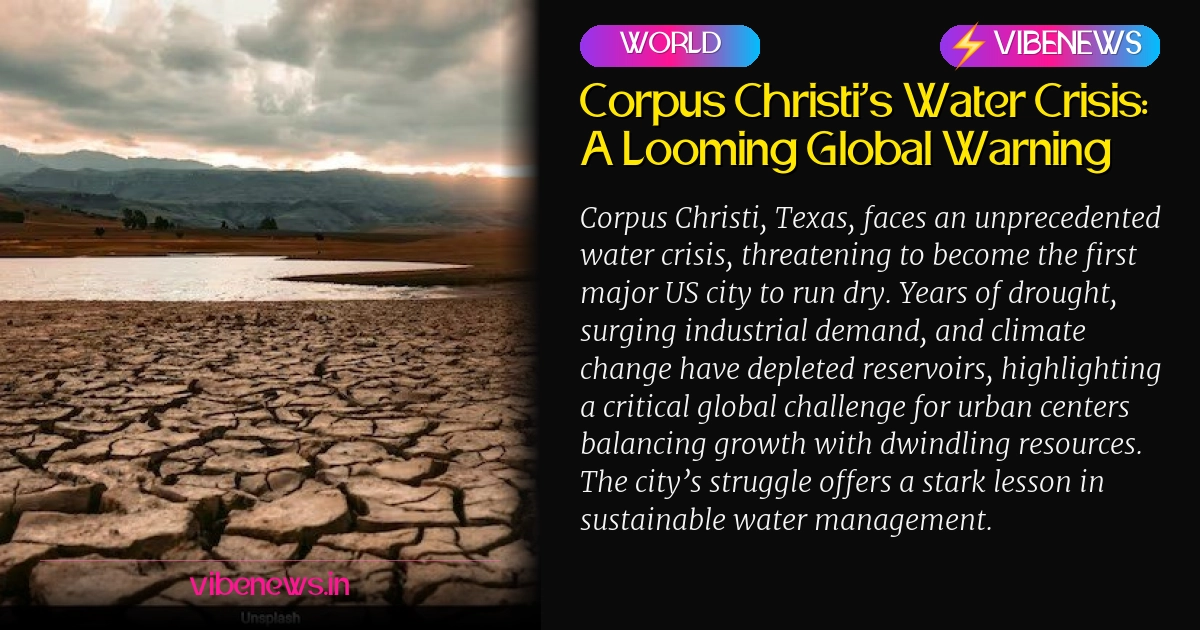
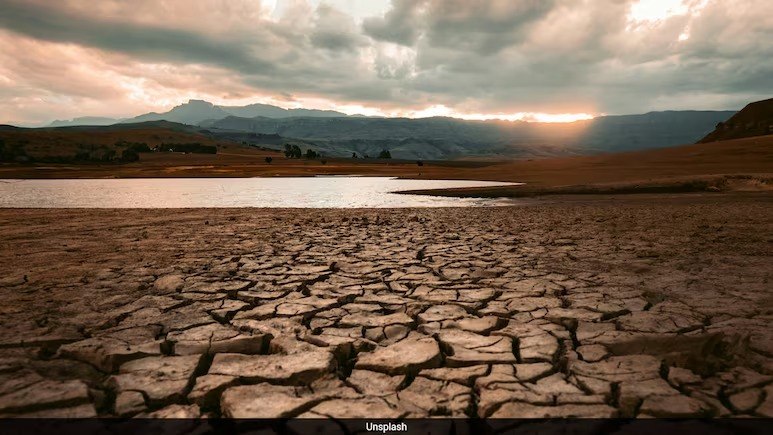
The city’s reservoirs, vital for both residential and industrial consumption, have reached perilously low levels. This predicament underscores a growing global challenge where urban centers must navigate the complex interplay of climate change, population growth, and the insatiable thirst of modern industry.
The Deepening Crisis in Texas
Texas has endured a series of intense droughts in recent years, a pattern exacerbated by broader climate shifts. These extreme weather events have placed immense strain on the state’s water infrastructure, particularly in regions like the Gulf Coast where water resources are finite and demand is high.
Historically, the state has relied on a network of reservoirs and rivers to meet its water needs. However, the frequency and severity of dry spells have pushed these systems to their limits, forcing communities to confront the reality of dwindling supplies.
A Thirsty Industry’s Footprint
Adding significant pressure to Corpus Christi’s already strained water resources is the rapid expansion of its industrial sector, particularly large petrochemical facilities. These plants, crucial to the regional economy, require vast quantities of water for their operations, primarily for cooling processes.
One plastics chemical plant, established in 2022, reportedly consumes as much water daily for cooling as the entire residential population of Corpus Christi combined. This disproportionate usage highlights a critical imbalance between industrial growth and the sustainable management of shared natural resources.
Navigating the Desalination Debate
In response to the looming crisis, city officials had proposed the construction of a seawater desalination plant. This facility would convert abundant ocean water into potable freshwater, offering a long-term solution to the city’s supply issues.
However, the project has encountered numerous hurdles, including substantial funding challenges, complex regulatory approvals, and opposition from various stakeholders. These delays have prevented the timely implementation of a crucial infrastructure project, leaving the city vulnerable.
Alternative Pathways and Public Adjustments
While the desalination project faces an uncertain future, authorities are exploring other avenues to bolster water security. These include tapping into deep groundwater wells and implementing advanced wastewater reuse programs for industrial applications, thereby reducing reliance on freshwater sources.
In the interim, residents of Corpus Christi have already faced stringent water restrictions, limiting activities such as garden watering and car washing. Officials have cautioned that if the situation deteriorates further, emergency measures could include temporary water outages or severely restricted supply hours, impacting daily life significantly.
A Global Bellwether for Urban Water Management
The unfolding crisis in Corpus Christi serves as a stark warning for cities worldwide. Experts view it as a microcosm of a larger global challenge, where urban centers must urgently re-evaluate their water management strategies in the face of climate change, population growth, and industrial expansion.
Cities from Cape Town to Chennai have experienced similar water scarcity events, demonstrating that no region is immune. The lessons learned from Corpus Christi’s struggle could inform policy and infrastructure development in other vulnerable urban areas, emphasizing the need for proactive planning and diversified water portfolios.
Editorial Context
The water crisis in Corpus Christi transcends a mere local issue; it is a profound indicator of the systemic challenges facing urban environments globally in the 21st century. This development underscores the critical need for robust, forward-thinking water infrastructure and policy that accounts for the accelerating impacts of climate change and the demands of industrial development.
The long-term implications are significant, pointing towards a future where water scarcity could become a defining factor in urban planning, economic development, and social stability. It necessitates a re-evaluation of industrial water usage, a greater investment in resilient water technologies like desalination and wastewater recycling, and a shift towards more sustainable consumption patterns. The experience of Corpus Christi offers invaluable insights into the complexities of managing a vital resource under extreme pressure, urging other cities to act decisively before their own reservoirs run dry.
TL;DR
- Corpus Christi, Texas, faces a severe water crisis, risking becoming the first major US city to run out of water.
- Years of drought, rising industrial demand, and climate change are the primary drivers of the city’s dwindling water supplies.
- A single plastics chemical plant reportedly uses as much water daily for cooling as all Corpus Christi residents combined.
- Plans for a seawater desalination plant, a potential long-term solution, have been significantly delayed due to funding and regulatory issues.
- Residents are already under water restrictions, with warnings of potential temporary outages if the situation worsens.
- The crisis highlights a growing global challenge for cities balancing development with shrinking water resources amid climate change.