A Baffling Realignment in the Red Sea
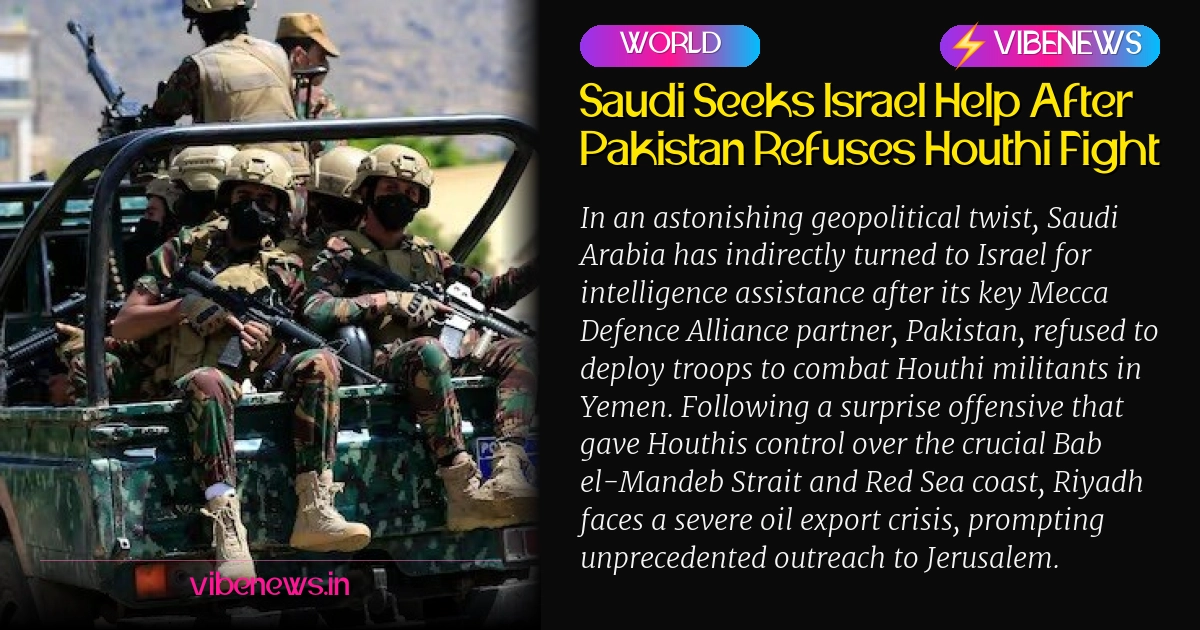
Saudi Arabia has indirectly sought military intelligence assistance from Israel via the United States Central Command after Houthi militants captured Yemen’s Red Sea coast and the Bab el-Mandeb Strait last week.
In a dramatic geopolitical contradiction that has left international observers completely bewildered, the kingdom found itself effectively abandoned by its primary Islamic military partner, forcing an unprecedented turn toward a state it does not officially recognize. Despite being bound to Riyadh through the high-profile Mecca Defence Alliance alongside Turkey, Pakistan flatly declined to deploy assets for combat operations against Ansar Allah militants in Yemen. This sudden refusal has thrown Saudi Arabia’s defense strategy into deep disarray during one of its most critical economic and security emergencies.
Pakistan’s Red Line Leaves Riyadh Stranded
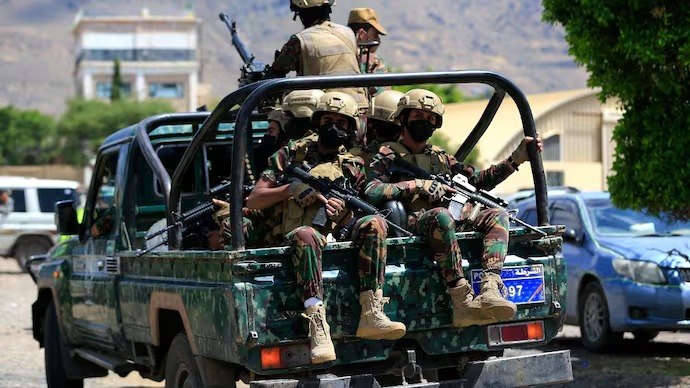
Islamabad explicitly communicated that while its military forces could be stationed to defend Saudi territory from direct attacks, participating in foreign combat operations across the Yemeni border was a firm red line. This unexpected stance neutralized the expected protective umbrella of the Mecca pact. Consequently, Saudi Crown Prince and Prime Minister Mohammed bin Salman was left with few choices after a blitzkrieg by Ansar Allah militants completely wiped away the Saudi-backed National Resistance Front, granting the militia total control over crucial Red Sea coastal positions and strategic islands dominating the Bab el-Mandeb Strait.
The sudden capture of the waterway, historically dubbed the Gate of Tears, presents a catastrophic threat to Saudi energy exports. Houthi leadership announced that their targeted blockade against Saudi shipping—in force since July—will continue to be aggressively enforced, even as vessels from other nations, including the United States, are permitted to transit without hindrance. Coupled with targeted strikes against internal Saudi pipeline infrastructure, the maritime blockade strips Riyadh of its primary bypass around the Strait of Hormuz, threatening to severely degrade or completely halt the kingdom’s oil shipping capacity.
Desperate Outreach Across Unlikely Borders
Faced with an escalating crisis and silent responses from key partners, Crown Prince Mohammed bin Salman extended urgent appeals for assistance across the region, reaching out to Egypt and neighboring Gulf states. While the United States and the United Kingdom declined to launch direct military strikes against Ansar Allah—offering only intelligence sharing and military advisors instead—Riyadh took the astonishing step of approaching Israel via US Centcom.
According to reports in Tel Aviv-based publications, including The Jerusalem Post and Israel Hayom, these indirect talks centered strictly on securing Israeli intelligence assistance to counter the naval threat at the Bab el-Mandeb Strait. The fact that Saudi Arabia maintains zero diplomatic ties with Jerusalem and does not recognize Israel as an independent nation underscores the sheer panic reverberating through Riyadh’s political leadership.
Israel Weighs Risks Amid Red Sea Volatility
Israel is already familiar with the threat posed by Ansar Allah, having endured Red Sea shipping blockades and drone strikes targeting its own ports following the outbreak of the Gaza war in late 2023. Nevertheless, any strategic cooperation between Israel and Saudi Arabia is expected to remain limited strictly to clandestine intelligence sharing. Israeli defense planners remain deeply cautious about provoking direct Houthi rocket retaliation against Israeli cities or provoking further economic chaos in the Red Sea.
As reported by Haaretz, senior Israeli Defence Forces officials specifically urged against unilateral military action, emphasizing that any operational response to Ansar Allah’s Red Sea offensive must be structured within a
broad international and regional coalitionrather than undertaken independently.
An Absurd Geopolitical Reversal
The baffling spectacle of Saudi Arabia depending on Israeli defense intelligence while its formal treaty ally Pakistan refuses to fight highlights a chaotic turn in Middle Eastern diplomacy. With the Gate of Tears under Houthi control and Saudi oil exports teetering on the brink, Riyadh’s reliance on Jerusalem marks an unprecedented chapter in modern regional conflict.
TL;DR
- Houthi militants seized Yemen’s Red Sea coast and Bab el-Mandeb Strait, threatening Saudi Arabia’s primary oil export routes.
- Mecca Pact ally Pakistan refused combat deployment against Houthis, restricting its forces to defending Saudi land.
- Deprived of ally support, Saudi Prince Mohammed bin Salman indirectly requested military intelligence assistance from Israel via US Centcom.
- Saudi Arabia does not officially recognize Israel, underscoring the severe desperation caused by the Houthi naval blockade.
- Israeli defence officials recommended any response occur only within a broad international and regional coalition.