Exhaust from vehicles on crowded urban roads is damaging lungs and hearts, doctors say, and the debate over the ‘no PUCC, no fuel’ rule has pushed the issue back into the spotlight. The pollution under control certificate, known as PUCC, is mandatory for vehicles and checks whether their emissions fall within prescribed pollution standards.
The certificate is only a check, though. It does not clean up urban air on its own, and the health risks reach anyone who spends time near traffic.
What is actually in the smoke
Vehicle smoke carries fine particles known as PM2.5, along with nitrogen oxides, carbon monoxide and other harmful substances released when fuel burns. Of these, PM2.5 is the most worrying. The particles are so small that they travel deep into the breathing passages and stay there.
Repeated exposure leads to irritation and swelling in the airways. Symptoms include coughing, a burning throat, wheezing, difficulty breathing and chest discomfort. Asthma patients often see their symptoms worsen during high-pollution periods and may need their prescribed medication more often.
Breathing polluted air day after day causes irritation and swelling in the airways, and even people who are otherwise healthy can start to struggle with breathing.
The damage does not stop at the lungs
Fine particles do not stay confined to the chest. Once inside the body, they increase inflammation and oxidative stress, which affects blood vessels and the way the heart works. Long-term exposure is linked to the risk of heart attacks and strokes.
People already living with high blood pressure, diabetes, high cholesterol or heart disease carry an even heavier burden. For them, every day spent breathing traffic fumes adds to a risk they already manage.
Who is most exposed
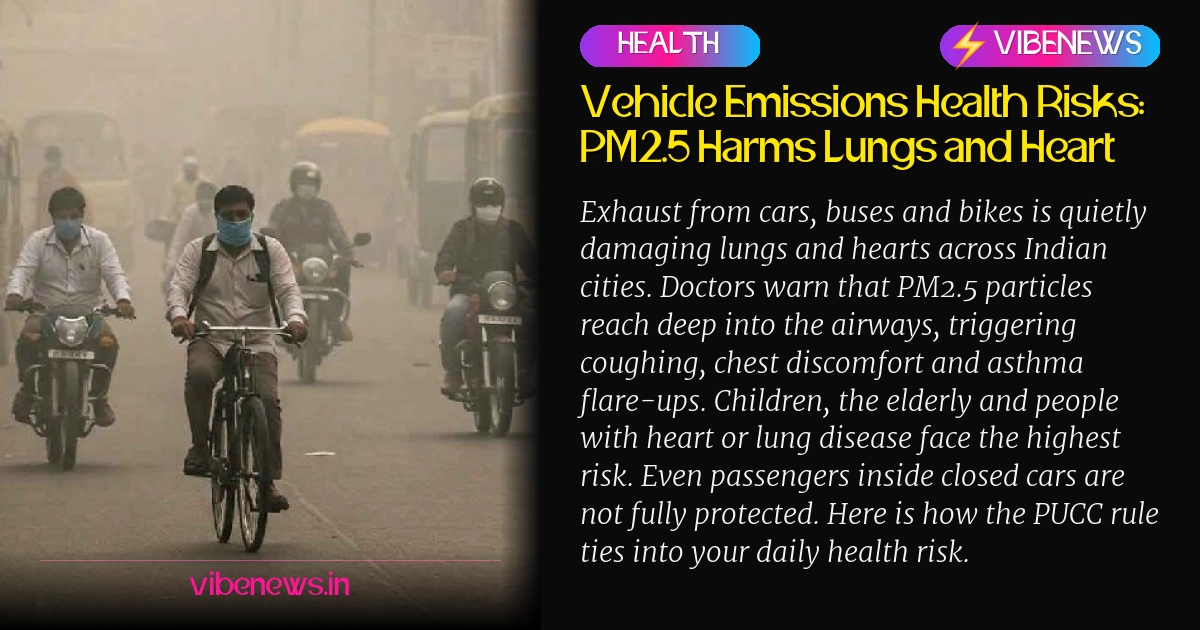
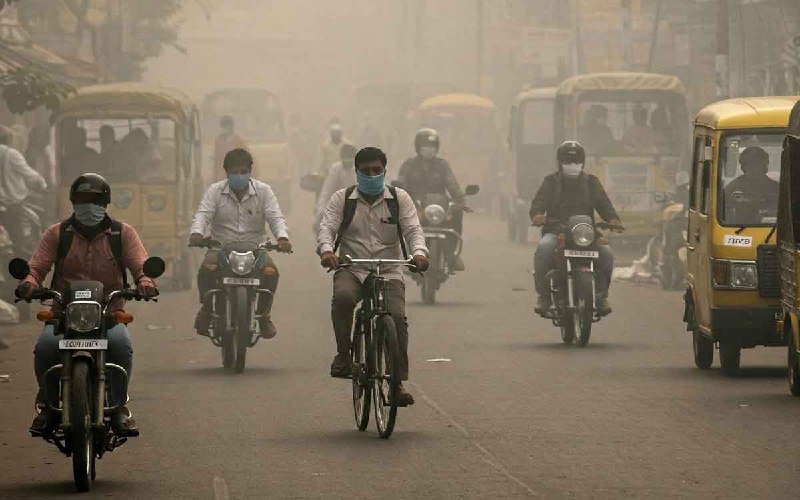
Drivers are not the only ones at risk. Pedestrians on busy roads, traffic police, street vendors, delivery staff and cyclists all breathe tailpipe smoke for hours. Many of them have no way to avoid it.
Children are especially vulnerable because their lungs are still developing. Elderly people and anyone with an existing respiratory or heart condition also need to be careful during periods of heavy pollution.
Sitting inside a car does not offer full shelter. When windows are open, or when a ventilation system pulls outside air into the cabin, pollutants come in with it. Being stuck in a jam beside other vehicles increases exposure further.
Duration and intensity matter as much as the pollution itself. A short, occasional exposure carries a different level of risk than hours of daily driving on congested roads, where the body absorbs pollutants again and again.
What can be done
Regular servicing, fixing faults in emission control systems and avoiding unnecessary engine idling all help cut emissions. Where possible, people can choose less congested routes, keep ventilation and filter systems properly maintained and spend less time stuck in traffic.
Public transport, carpooling, walking and cycling are practical alternatives that reduce both personal exposure and the amount of smoke added to the air. People with breathing or heart problems should limit their time near busy roads on days when outside pollution is high.
Electric vehicles reduce tailpipe emissions, but the source notes that their total environmental impact also depends on electricity generation, vehicle manufacturing and how the vehicles are used.
Beyond a certificate
The no-PUCC, no-fuel policy is more than a paperwork requirement. It links vehicle maintenance, emission control and public health in a single rule. Keeping vehicles within prescribed pollution limits reduces the harmful substances released into the air that everyone breathes.
Whether you drive, walk or wait at a signal, you are exposed. Cleaner air and healthier lungs and hearts depend on personal precautions as well as government action. The certificate is a start, but it is your daily habits that decide how much of the smoke ends up in your body.
TL;DR
- Doctors warn that vehicle exhaust is damaging lungs and hearts, especially in crowded urban areas.
- Fine PM2.5 particles travel deep into the airways and can trigger coughing, wheezing and chest discomfort.
- Asthma patients may need their medication more often during periods of heavy traffic pollution.
- Long-term exposure is linked to heart attacks and strokes, with higher risk for people with heart disease or diabetes.
- Pedestrians, cyclists, traffic police and street vendors face heavy exposure alongside drivers.
- Regular servicing, avoiding engine idling and choosing less congested routes can help reduce emissions and personal exposure.