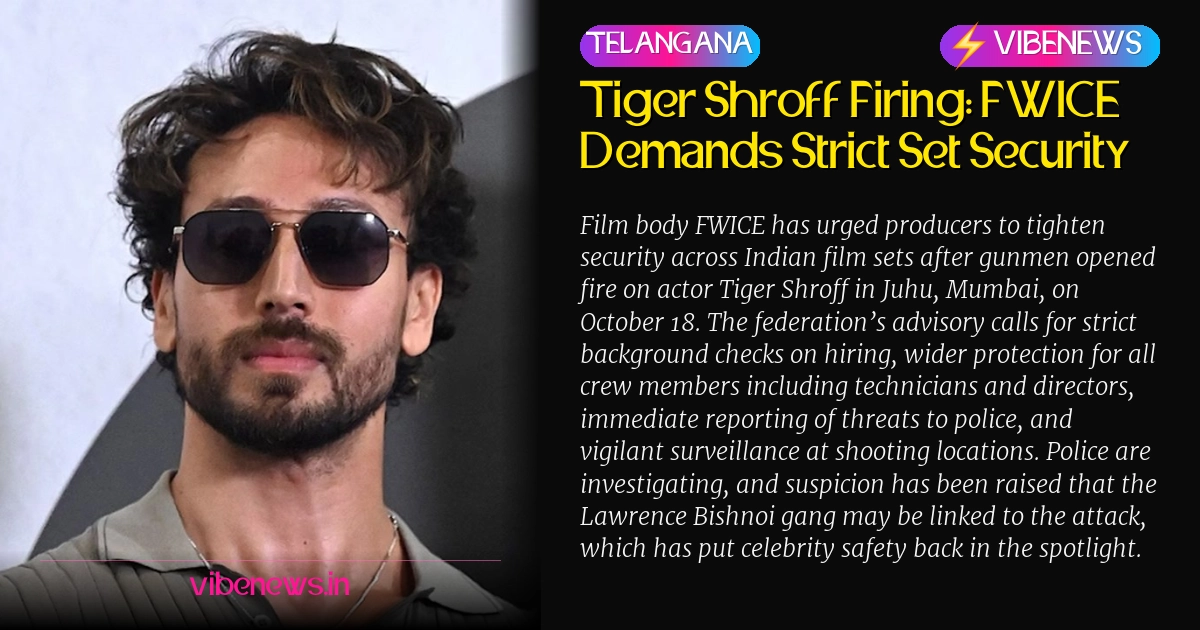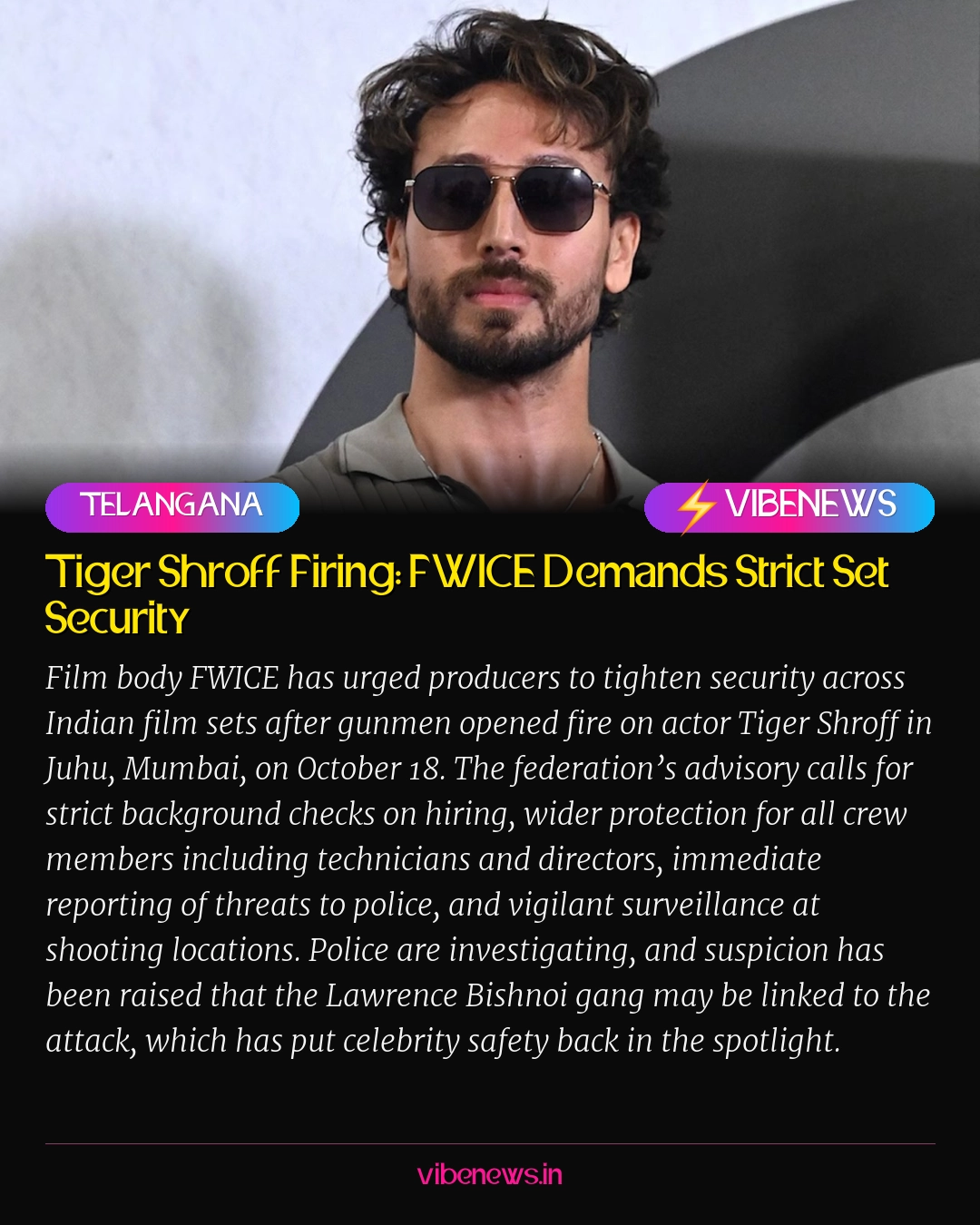
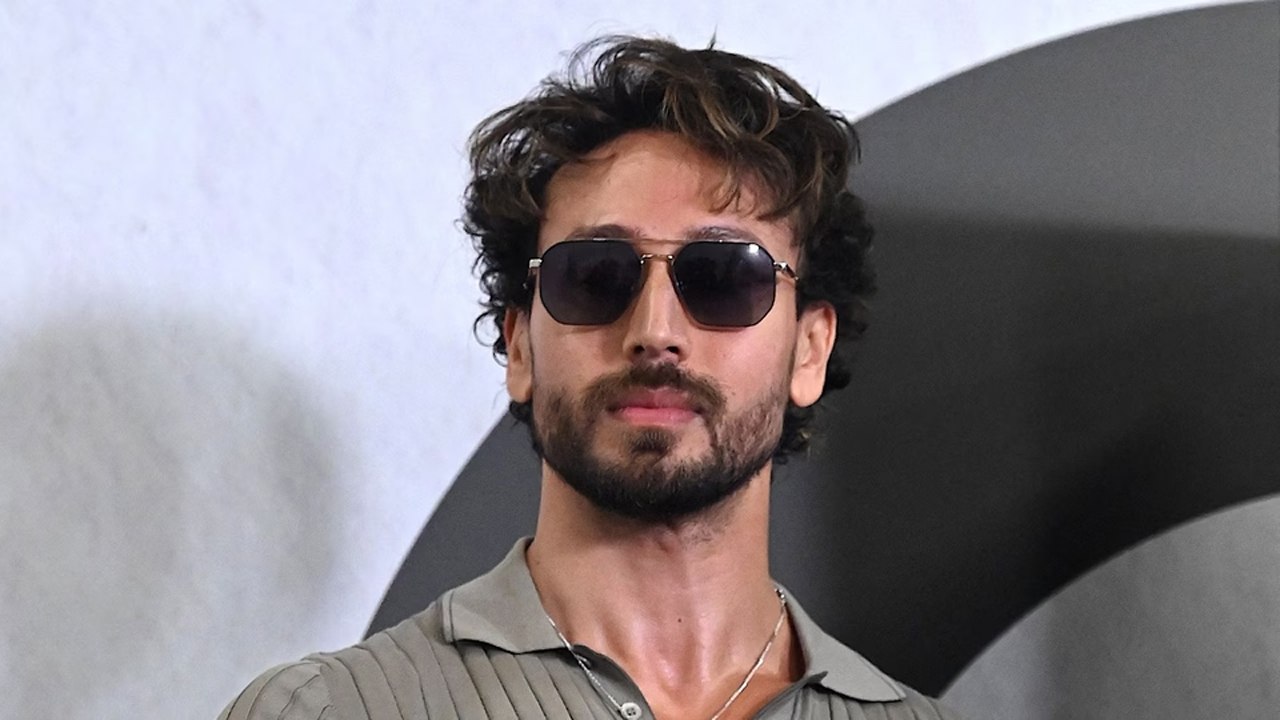
The Federation of Western India Cine Employees (FWICE) has urged film producers to tighten security on movie sets after gunmen opened fire on Bollywood actor Tiger Shroff in Juhu, Mumbai, on October 18.
The shooting happened outside a football ground in Juhu. The federation’s call came in an official advisory issued on October 24, 2026, and it marks a sharp escalation in how the film industry views the safety of its biggest names.
Police are investigating the attack. Suspicion has been raised that the Lawrence Bishnoi gang may be behind it. Investigators have not confirmed that link, and the federation’s advisory does not claim one. What it does is put the entire industry on notice.
What the advisory demands
FWICE wants production houses to carry out strict checks before they bring anyone onto a crew. The body warned producers not to hire individuals who lack proper identification. That single instruction goes straight at a gap that has long worried set security teams: people entering shooting locations without anyone verifying who they are.
The federation also asked producers to respond immediately to any threat and inform the police without delay. Waiting, or handling warnings quietly in-house, is the wrong move, the advisory suggests.
Shooting locations, the advisory says, need firm measures to prevent any unwanted incident. That means wider protection and a vigilant surveillance system that runs for the full length of a shoot, not just during a star’s scenes.
Protection cannot stop at the star
The most striking part of the advisory is its scope. FWICE made clear that protection is not only for actors. Every worker on a set, every technician, and every director and other crew member falls under the same umbrella.
The federation framed this as a shared obligation. It reminded the industry that guarding lives is a collective responsibility, and that the people who work behind the camera are as exposed as the people in front of it.
Protecting every worker on set is everyone’s collective responsibility, and life safety must never be compromised under any circumstances.
That message lands hard in an industry where crews often work long, unpredictable hours on shoots spread across cities and outdoor locations. A stricter rulebook would touch almost every production, from large studio films to smaller projects.
Why this story matters now
An attack on a major actor is rare enough to shake the business. An attack that may be tied to an organised crime network raises the stakes further. Each new detail from the police probe could shape how producers, insurers, and stars approach security in the months ahead.
The federation’s advisory is not a law, and it does not carry the force of police action. But when a powerful film body speaks this directly, producers tend to listen. The advisory asks for checks, quick reporting, and constant vigilance. Those are not abstract ideas. They are a list of steps that can be taken on the next shooting day.
For now, the facts are clear. A shooting took place in Juhu on October 18. Police are working the case. FWICE has told the industry to lock down its sets. Whether that warning turns into lasting change will depend on how seriously producers take it once the cameras start rolling again.
TL;DR
- Gunmen fired on Bollywood actor Tiger Shroff in Juhu, Mumbai, on October 18, prompting police investigation.
- FWICE has urged film producers to tighten security on all movie sets across India.
- The federation’s October 24, 2026 advisory calls for strict background checks before hiring crew members.
- Producers should not hire individuals who lack proper identification, the advisory warns.
- Threats must be reported immediately to police, and shooting locations need wider protection and surveillance.
- Police are probing whether the Lawrence Bishnoi gang may be linked to the attack.