National Development Drive Behind Energy Procurement
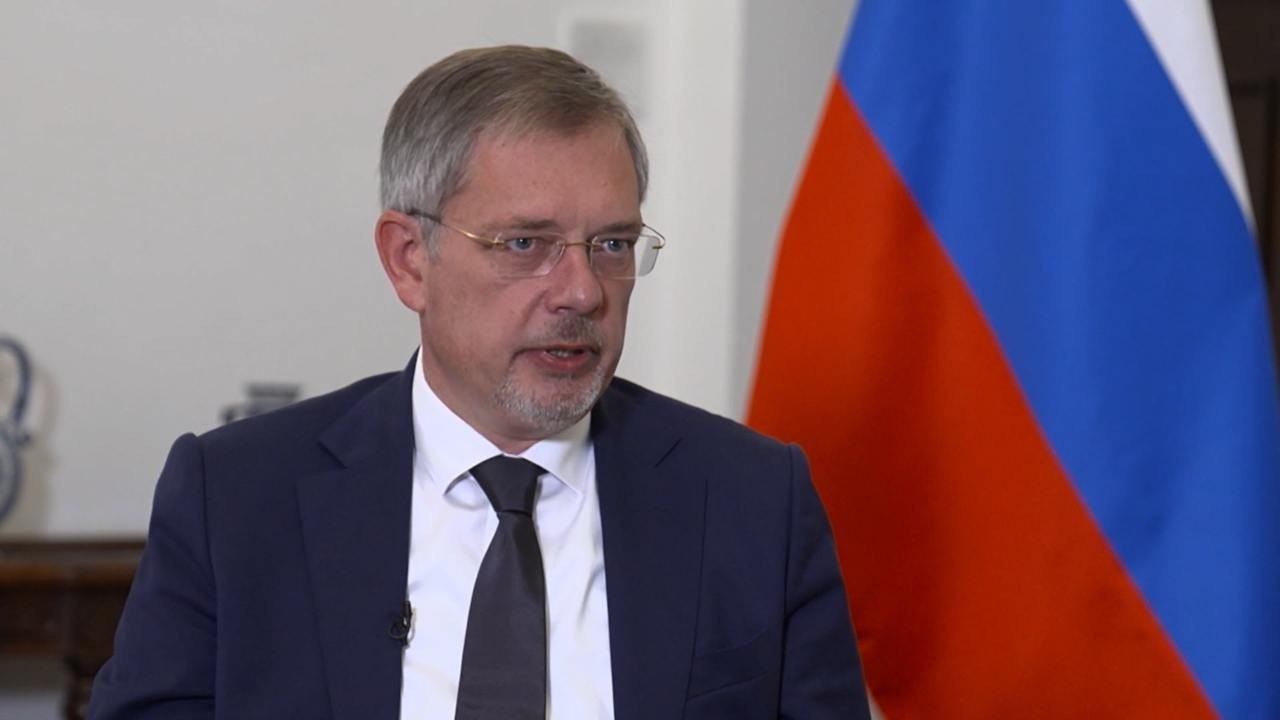
Russian Ambassador to India Denis Alipov has forcefully pushed back against Western criticism regarding New Delhi’s ongoing procurement of discounted Russian crude. Speaking in an interview with DD News, Alipov clarified that India’s decision to maintain and expand energy imports from Moscow is grounded entirely in its own domestic needs and economic priorities, rather than a geopolitical gesture to support Russia.
Addressing the ongoing scrutiny from Washington and European capitals, Alipov emphasized that New Delhi is prioritizing the living standards of its population while navigating global energy turmoil. India sharply escalated its purchases of discounted Russian crude following the outbreak of the Ukraine war in 2022, quickly transforming Moscow into one of its largest energy suppliers.
"India does not buy Russian oil for the sake of helping Russia. It is buying oil for itself and its own national development, keeping in mind the well-being and welfare of its own people."
In a separate interaction with ANI, Alipov expressed confidence in India’s sovereign decision-making process. He observed that India has consistently demonstrated an ability to withstand external geopolitical pressure, defending its national security priorities and core strategic interests whenever challenged on the world stage.
Western Pressure Tactics and Proposed US Tariffs
The ambassador turned sharp criticism toward Western nations imposing sanctions and economic measures against countries trading with Russia. He argued that Western capitals are resorting to coercive tactics because they are unable to provide economically competitive alternatives to India’s energy market.
Alipov noted that no Western nation has been able to offer India a superior deal on crude oil compared to the terms extended by Moscow. Instead of engaging in honest economic competition, Western governments have turned to pressure tactics, sanctions, and punitive tariffs. He re-affirmed Moscow’s commitment to energy cooperation, stating that Russia remains fully prepared to supply as much oil as India requires for its national consumption.
These diplomatic exchanges come against the backdrop of heightened regulatory scrutiny in Washington. A proposed bill in the United States Senate could empower the US administration to levy tariffs of up to 100 per cent on imports originating from the top five buyers of Russian crude oil or natural gas. As one of the premier consumers of Russian energy, India faces potential prospective pressure if such legislative proposals are enacted into law. Notably, New Delhi has previously managed US tariff actions connected to Russian trade, some of which were subsequently rescinded.
Diplomacy and Energy Realities for 1.4 Billion People
The strategic debate over energy procurement aligns with firm positions taken by Indian leadership. Speaking recently following high-level discussions with Ukrainian President Volodymyr Zelenskyy in Kyiv, External Affairs Minister S Jaishankar emphasized the massive responsibility of meeting the energy demands of 1.4 billion citizens amidst volatile global market conditions.
Jaishankar stressed that altered trade volumes in Russian crude or other commodities will not dictate the resolution of the conflict in Eastern Europe, which has entered its fifth year. He reiterated New Delhi’s long-standing position that sustainable peace can only be achieved through diplomatic dialogue, bilateral negotiations, and active engagement, rather than economic restrictions on essential trade goods like oil, alumina, minerals, metals, or fertilizers.
Import Figures Highlight Dominant Market Share
Despite recent fluctuations in overall volume, trade statistics confirm Russia’s strong positioning in the Indian energy market. Industry tracking data from Kpler indicates that Russia retained its standing as India’s single largest crude oil supplier in August, delivering approximately 2.08 million barrels per day (bpd).
While August import volumes reflected a 26.3 per cent decline from the record high of 2.82 million bpd recorded in July, Russian shipments still accounted for approximately 45 per cent of India’s total crude oil imports for the month. This significant market share keeps Moscow comfortably ahead of traditional Middle Eastern suppliers, reinforcing the strong bilateral trade ties that persist despite ongoing Western diplomatic pushback.
TL;DR
- India buys Russian crude strictly for national development and population welfare.
- Western nations rely on pressure tactics due to an inability to offer better oil deals.
- Proposed US Senate legislation threatens tariffs up to 100 per cent on major oil buyers.
- EAM S Jaishankar emphasized energy security obligations for India’s 1.4 billion citizens.
- Russia supplied 45 per cent of India’s total crude imports in August.