Director Ben Rekhi’s film adaptation of Aravind Adiga’s acclaimed novel Last Man in Tower brings the fierce moral and physical battles of Mumbai’s housing redevelopment to the screen, driven by a central conflict over property, principles, and personal legacy.
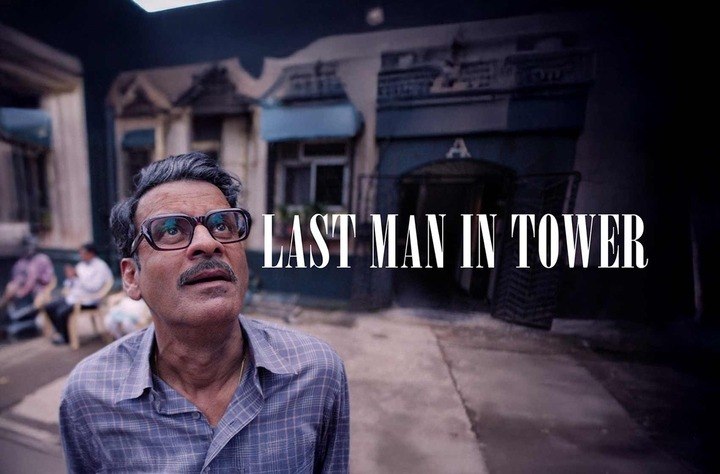
The story centers on Yogesh Mishra, played by Manoj Bajpayee, a retired schoolteacher clinging to a home filled with memories of his deceased wife. When an influential builder makes a lucrative financial offer to acquire the aging residential building, the surrounding neighbors eagerly agree to sell, driven by pressing personal needs ranging from funding medical care for a special-needs child to financing overseas education and clearing personal debts. Yogesh alone exercises his legal right to refuse, setting off a harrowing transformation that turns longtime friends into bitter adversaries.
Powerhouse Performances Drive the Emotional Core
Where the film unquestionably triumphs is in its acting ensemble, led by a tour de force performance from Manoj Bajpayee. Rather than relying on superficial traits to portray an aging man, Bajpayee transforms physically through subtle body language, a delicate tremor, and a measured, deliberate gait. He deftly navigates Yogesh’s inner turmoil, seamlessly shifting between stubborn righteousness, deep grief, emotional isolation, and sheer vulnerability. His tense interactions with his son highlight the tragic complexity of a man whose stubborn adherence to legal principles makes him exceptionally difficult to love.
Matching this standard, Divya Dutta turns in a superb performance as Sangeeta Puri, a mother torn between her affection for Yogesh and her desperate desire to secure a better future for her special-needs son. Dutta captures the unsettling reality of emotional manipulation without resorting to villainy, letting maternal desperation, envy, and heartbreak register effortlessly across her face. Complementing them, Boman Irani portrays the builder with a chillingly calm, calculated nuance. Avoiding loud, stereotypical antagonist tropes, Irani depicts a persuasive businessman quietly perplexed by a man who refuses to be bought.
"Money doesn’t just buy property in Mumbai; it can buy silence, loyalty and even morality."
Filmmaking Flaws and Ambiguous Directorial Choices
Despite these towering performances, the filmmaking itself leaves noticeable narrative gaps that keep the project from reaching greater heights. While Rekhi successfully captures the authentic, claustrophobic atmosphere of old Mumbai—focusing on cramped homes, aging hallways, and invasive societal gossip—his narrative direction relies heavily on unanswered questions that occasionally undercut the story’s dramatic weight. The film refuses to offer clear validation or define Yogesh’s ultimate motivation, leaving the viewer uncertain whether his stance represents noble resistance or obstinate selfishness.
As the neighborhood dynamics devolve into severe psychological and physical coercion—escalating from cut electricity and water supplies to aggressive acts like smearing human faeces on Yogesh’s door—the director keeps the narrative scale exceedingly intimate. However, this tight focus comes at the expense of thematic resolution. At approximately 97 minutes, the movie maintains a swift runtime, but its willingness to sit in moral vagueness without committing to a clearer cinematic voice leaves the final act feeling somewhat unfulfilled despite its heartbreaking impact.
Furthermore, while the script incorporates rich social observations—touching on the housing society’s historical transition from a Christian enclave to a mixed community and highlighting modern privacy invasions—these elements occasionally feel like fleeting background beats rather than fully integrated thematic arcs. In the end, while Rekhi’s directorial execution falters slightly in sharpening its ultimate message, the raw power of Bajpayee and the supporting cast ensures the film remains a chilling study of human compromise.
TL;DR
- Ben Rekhi directs a 97-minute film adaptation of Aravind Adiga’s novel Last Man in Tower.
- Manoj Bajpayee delivers a masterclass performance as retired schoolteacher Yogesh Mishra resisting home redevelopment.
- Divya Dutta and Boman Irani offer compelling support as an emotionally desperate neighbor and a persuasive builder.
- The storyline explores how monetary offers in Mumbai create coercion, hostility, and deep moral compromises among long-time neighbors.
- Directorial choices lean heavily into character ambiguity, leaving the protagonist’s core motivations and ultimate validation unresolved.