India
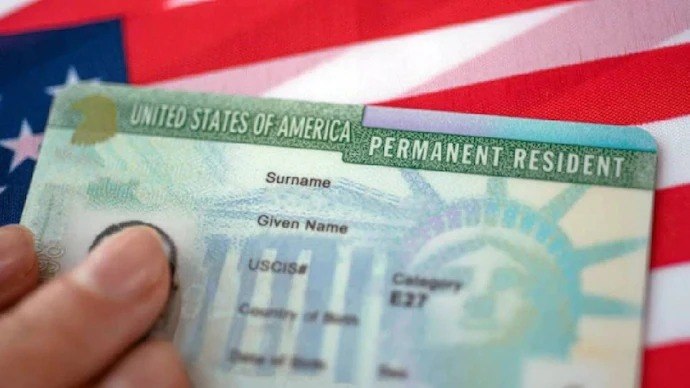
US Green Card ‘Public Charge’ Rule Expands, Indians Face Scrutiny
A new US rule significantly broadens the ‘public charge’ definition for green card applicants, increasing scrutiny for Indians. Effective September 18, the policy considers more factors like age, health, and financial resources, granting immigration officers wider discretion. This shift could impact thousands of Indian families seeking permanent residency.
India
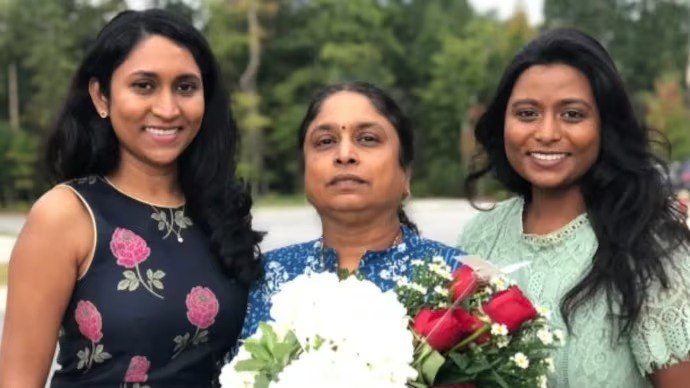
Green Card Holder Detained: US Immigration Case Sparks Concern
Venkata Vasamsetty, an Indian-origin Green Card holder residing lawfully in the US for 27 years, has been detained by ICE despite an immigration judge terminating her deportation case. Her detention, stemming from an extended stay in India due to illness, raises serious questions about immigration enforcement and the rights of long-term residents.

India
Indian-origin Student Dies in Tragic California Cliff Plunge
Alli Renee Singh, a 19-year-old Indian-origin student at UC Santa Cruz, tragically died after a car plunged off West Cliff Drive into the Pacific Ocean. The incident near Steamer Lane has deeply saddened her family and the university community, highlighting the dangers of the scenic California coastline.
World
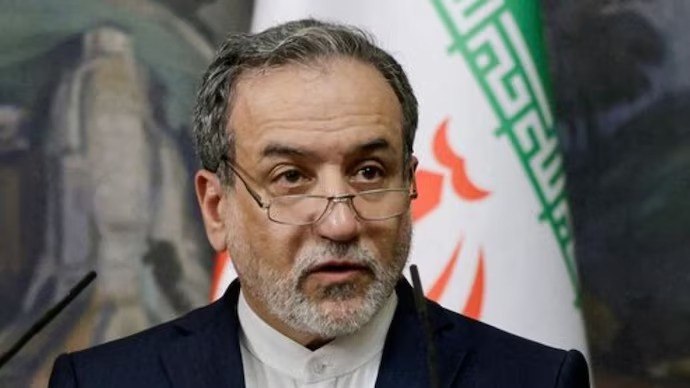
Iran Defies US Sanctions Threat Amid Escalating Tensions
Iran has vehemently rejected Washington’s threat of ‘toughest sanctions in history,’ calling the move a sign of desperation. As the US aims for maximum economic pressure, Tehran insists further restrictions will not alter its stance, even as regional conflict and economic strain persist. The diplomatic standoff intensifies with global implications.

India
Pakistani Sindhi Brides Secure Visas, Fly to India for Weddings
After facing significant hurdles due to visa restrictions and border closures, approximately 150 Pakistani Sindhi women have successfully traveled to India by air for their long-awaited weddings. Community leaders and spiritual figures intervened with the Indian government, securing special visas that allowed these brides and their families to reunite with their fiancés across the border.

World
Kansas Law Restricts Student Mobile Devices in Schools
A new Kansas law mandates that students cannot access personal cellular devices, including phones, earbuds, and smartwatches, during the school day. This move aligns with a growing national trend across US states aiming to curb distractions and address concerns about student mental health and screen time, prompting broader discussions on technology’s role in education.
India
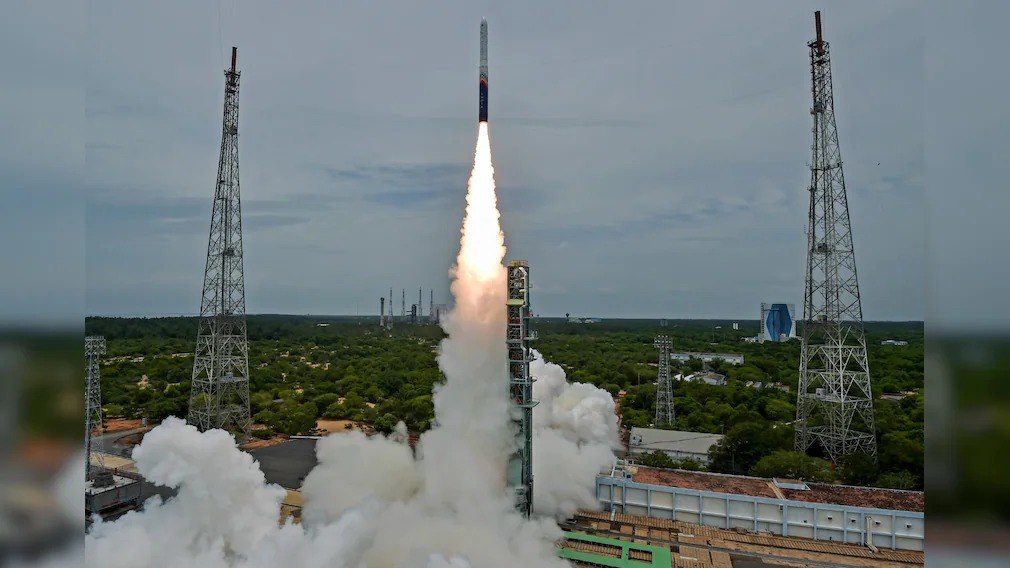
India’s Space Economy: Trust Over China’s Investment Scale
India’s private space sector is rapidly expanding, leveraging global trust and engineering talent to challenge China’s investment dominance. Bellatrix Aerospace’s COO, Yashas Karanam, discusses the shift of ISRO talent to startups, the trillion-dollar space economy’s impact, and the LEO satellite revolution shaping India’s orbital future.

India
H-1B Fee Proposal Clears White House, Indian Professionals Brace
A Department of Homeland Security proposal to alter H-1B visa fees has cleared White House review, moving closer to publication. This development could significantly impact Indian professionals, who form the largest cohort of H-1B visa holders, and US tech companies relying on their expertise. The exact changes remain undisclosed, but the move signals continued efforts to reshape the skilled worker program.

World
Pakistan Issues Strict Advisory for Pilgrims to Saudi Arabia
Pakistan’s government has issued a stern warning to its citizens traveling to Saudi Arabia for Hajj and Umrah, urging compliance with local laws. The advisory specifically targets begging, unauthorized money collection, and visa violations, emphasizing potential arrest and deportation. An AI-generated video reinforces the message.
World
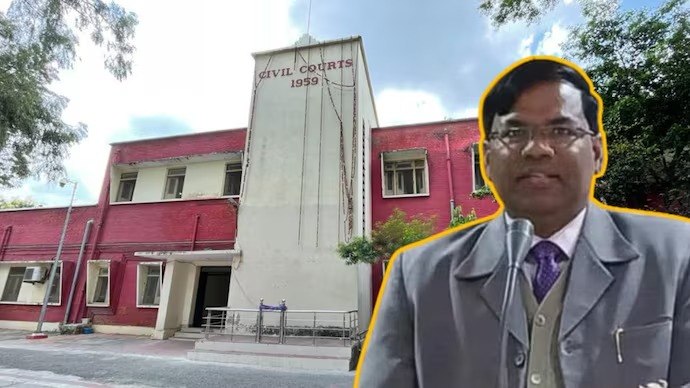
Muzaffarnagar Judge’s 22 Death Sentences Spark Debate
Additional District and Sessions Judge Ravi Kumar Diwakar of Muzaffarnagar has handed down 22 death sentences in 10 cases within four months, a pace that significantly surpasses Uttar Pradesh’s annual average. This judicial trend reignites national discussions on capital punishment and the ‘rarest of rare’ doctrine, drawing scrutiny to the Indian legal system’s application of the death penalty.